Mercedes' Title Double Signals New Era in F1 Competition
Mercedes have opened Formula 1’s new rules era with a familiar sight: both world titles wrapped up with races to spare, the silver overalls back on the podium steps, the trophy engravers already at work.
Yet this doesn’t feel like 2014 all over again. Far from it.
A week after Kimi Antonelli became the youngest world champion in F1 history with his Mexico triumph, Mercedes completed the double in Brazil, sealing the constructors’ crown with three rounds still on the calendar. The numbers say domination. The racing says something very different.
Antonelli could manage only fifth at Interlagos, one place behind team-mate George Russell, as Lando Norris swept to victory for McLaren. It left Mercedes with just a single win from the last five races, a far cry from the steamroller days of the first hybrid era when they not only won the opening six races of 2014, but the final seven as well.
This time, the field has punched back.
A title double that doesn’t feel invincible
Mercedes did crush the early season. Six straight wins out of the blocks suggested the sport might be heading for another long stint of Silver Arrows supremacy. Then the chase began.
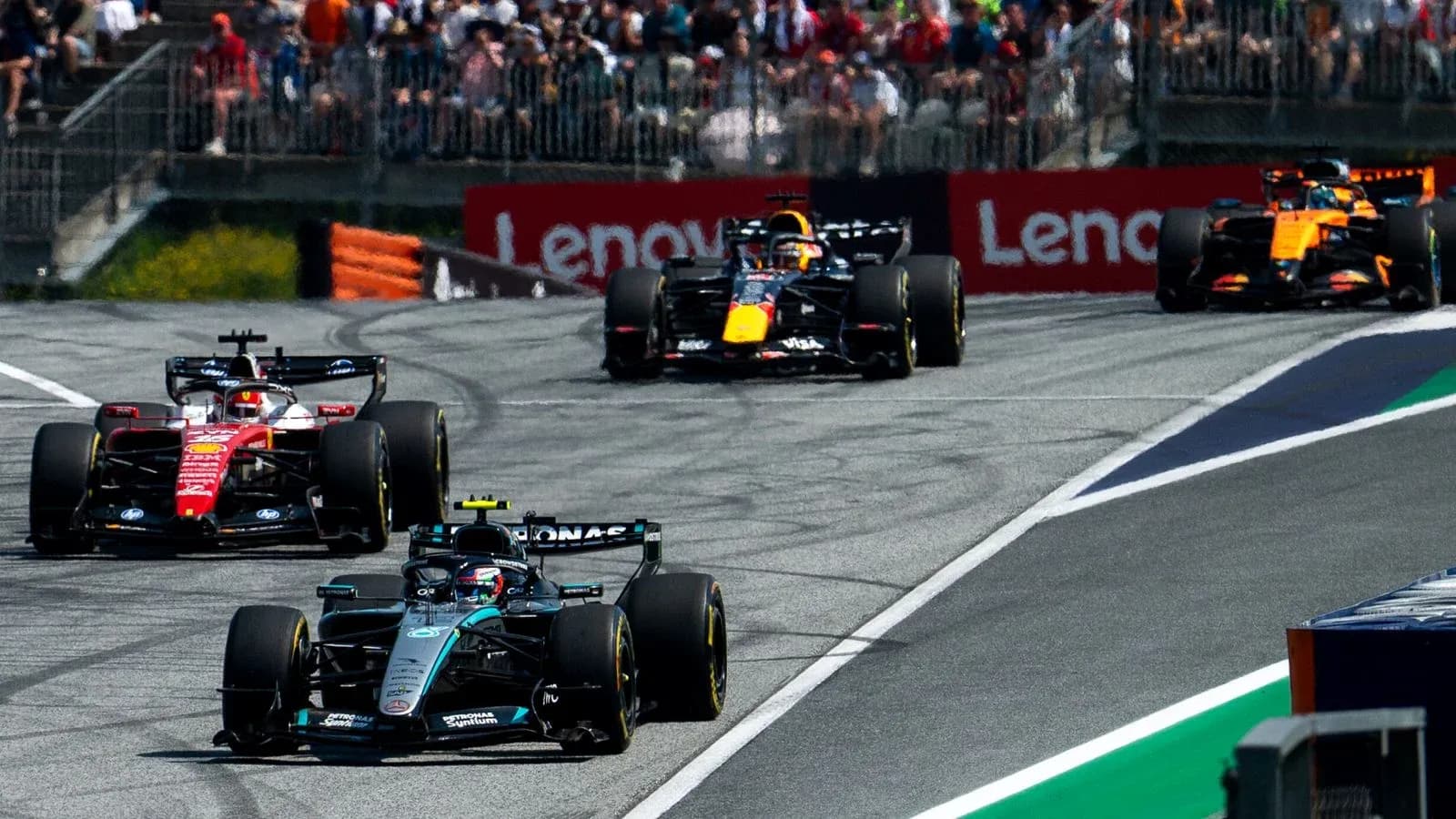
Since that opening run, Mercedes have added six more victories, but the scoreboard is no longer one-sided. Norris and Max Verstappen have three wins each for McLaren and Red Bull. Ferrari have joined the party too, with Lewis Hamilton and Charles Leclerc each taking a race. Both could, and probably should, have had more.
The pattern is clear: Mercedes still set the benchmark, but the gap has shrunk to something human. The aura of inevitability has gone.
Toto Wolff, who lived through the ruthless procession of 2014–2021, can see the difference.
He spoke after Brazil of an era in which teams are simply too well-resourced, too sharp, for anyone to run away unchallenged. One bad upgrade, one wrong turn, and you’re suddenly “third on the road”. Mercedes’ own late-season wobble is Exhibit A.
No magic engine this time
In 2014, Mercedes’ dominance grew from a brutal truth: their power unit was in a different league. This time, the landscape is far more nuanced.
The FIA’s in-season testing and ranking system, introduced alongside ADUO (Additional Development and Upgrade Opportunities), actually judged Red Bull’s engine to be the strongest in this new rules cycle. That verdict arrived while Mercedes were still racking up wins, and it raised eyebrows across the paddock.
Under ADUO, any manufacturer more than two per cent down on the benchmark gets extra development opportunities; those more than four per cent down get even more help. The aim is simple – stop anyone from being left hopelessly behind.
That Red Bull could be classed as the top power unit while Mercedes were winning signalled something important: the days of a single, overwhelming engine advantage are gone. Red Bull’s new division at Milton Keynes is still young and will only harden with time. Mercedes remain right there. The fight is tight, and it’s likely to stay that way.
There’s another twist. McLaren, powered by Mercedes, have already shown that a customer team can win big under these regulations, taking back-to-back titles in 2024 and 2025. Being a customer has clearly hurt them this year – they’ve been vocal about the compromises – but they also see scope to fix it over the winter.
One telling example: McLaren have been hampered by shorter-than-intended gear ratios, a problem that would almost never hit a works team in the same way. Fix that, sharpen the package, and the same power unit that drives Antonelli could yet carry Norris and Oscar Piastri back into the thick of a title fight.
Ferrari’s situation is different. They have been down on power all year compared to Mercedes, Red Bull and McLaren. Hamilton has been blunt: closing that deficit is the top priority heading into 2027. They know where they’re losing. Now they have to find it.
Mistakes, missed chances and low-hanging fruit
Strip away the horsepower and you find something just as decisive: execution.
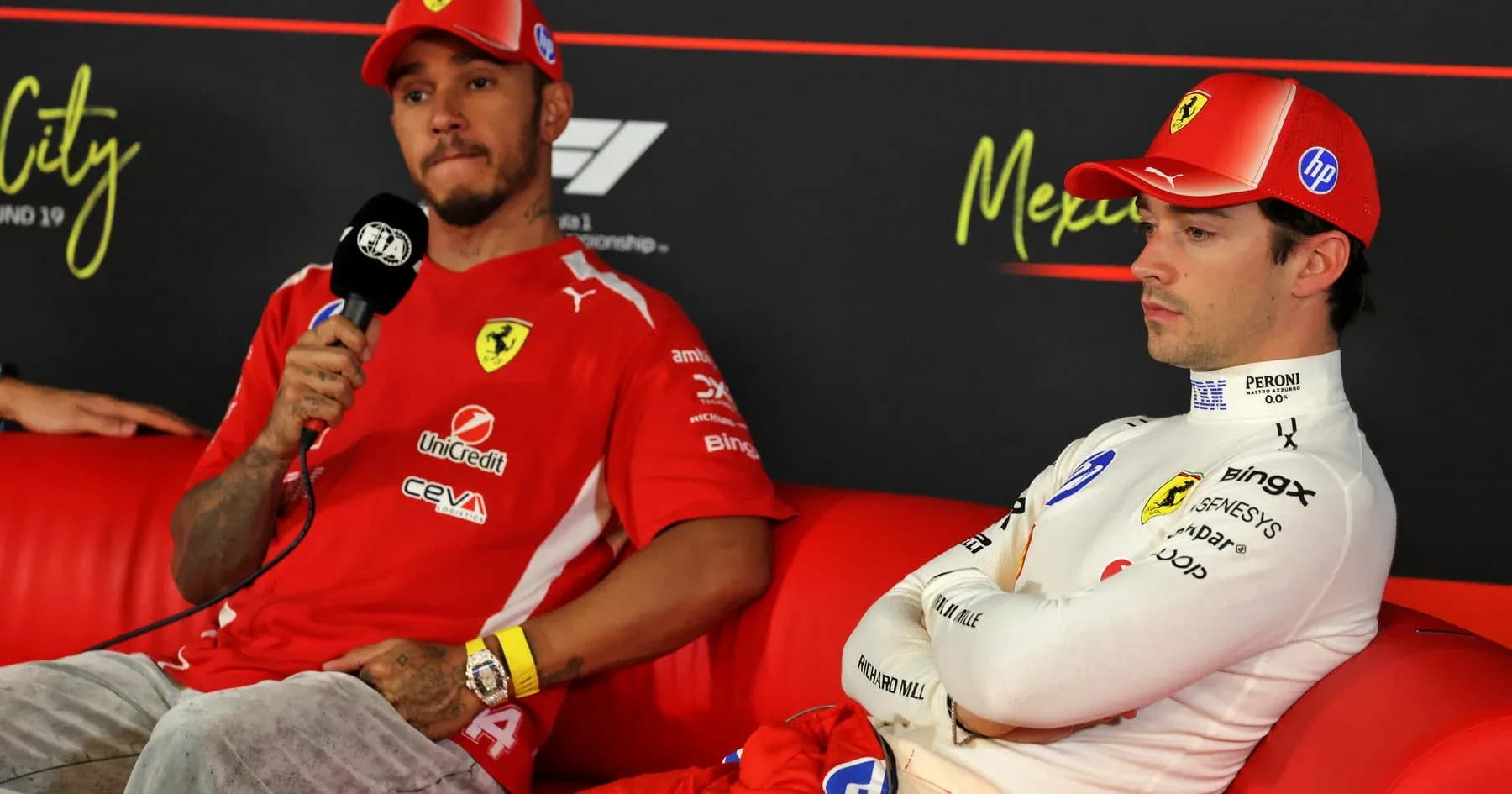
Ferrari, in particular, have bled points. Promising Q3 positions have evaporated when it mattered. Strategy calls have gone wrong. Penalties have crept in. Hamilton and Leclerc have too often fought each other harder than the race demanded.
Mexico told the story in one brutal lap. Ferrari looked set for a one-two. Instead, contact between their drivers on the opening tour torched a golden chance and underlined why few are ready to tip them as immediate title favourites, even with a competitive car. The speed is there. The efficiency is not.
McLaren’s story is more nuanced. Their 2026 campaign carried the hangover of a huge resource push to secure the 2025 Drivers’ Championship, which Norris ultimately won. The early part of this season looked sluggish, the car late to blossom, the team stretched.
Andrea Stella now has a clear winter brief: get McLaren back to starting a season where they finished the last one. The talent at Woking is not in question. The timing of their peaks is.
Red Bull, meanwhile, have become the grid’s development specialists. They began this rules cycle off the pace, then relentlessly chipped away until, by the end of the year, they could lay claim to having the strongest car on certain weekends.
Verstappen’s form proves it. He nearly snatched the 2025 title from Norris with a late-season surge and is currently on a run of eight straight podiums, stretching back to Monza in early September. Give him a car that starts the year as well as it finishes, and he becomes the immovable object in any title equation.
Red Bull team principal Laurent Mekies looked at the current picture – four teams turning up to a race weekend unsure who has the edge – and called it what it is: box office.
Did Mercedes blink, or play the long game?
The second half of Mercedes’ season revolves around one decision: the big upgrade they brought to Malaysia at the start of October.
While rivals fed in steady development, Mercedes chose patience and a single, heavy-hitting package, delivered at Sepang’s rescheduled Bahrain Grand Prix. Internally, they talked it up. Externally, the expectation was clear – this would reassert their authority.
It didn’t. Since the new parts arrived, Antonelli’s victory in Austin stands alone as their only win in five races. The upgrade failed to produce the step they anticipated.
If the surprise within Mercedes is genuine, the implications are serious. It suggests their understanding of the car’s development path – and by extension the direction of the 2027 machine – might not be as solid as their early dominance implied.
There is another possibility. Mercedes may have shifted more focus towards next year’s car than they have been willing to admit, using their championship cushion to think long-term. They’ve done something like this before.
In 2019, they started the season in crushing form, only for Red Bull and Ferrari to close the gap and tease hopes of a thriller in 2020. When the next campaign arrived, Mercedes produced one of their most dominant cars of the era. The lesson? A late-season dip doesn’t always tell the full story.
Wolff, ever the self-described “half-empty guy”, is already looking ahead. He sees “three or four teams” capable of fighting for the 2027 championship and accepts that it “could go either way”.
He’s right. Mercedes have the titles now, but the grip is looser, the margins smaller, the challengers sharper. The runaway train has slowed.
The question is no longer whether anyone can catch them. It’s how long they can keep staying just in front of a pack that’s closing from every direction.