Monza FP2 Highlights: Winners and Losers in Formula 1
The old place was already humming by Friday afternoon. Monza in early September, grandstands streaked with red, engines on the limiter for what feels like half the lap. It’s a power circuit, a pressure cooker and, this year, a crossroads for three of Formula 1’s giants.
At Mercedes, Kimi Antonelli arrived as the first Italian in more than 70 years to lead the world championship heading into his home grand prix. He does it with a grid penalty hanging over him. On the other side of the garage, George Russell knows exactly what that means: a rare, clear shot at dragging himself back into the title fight.
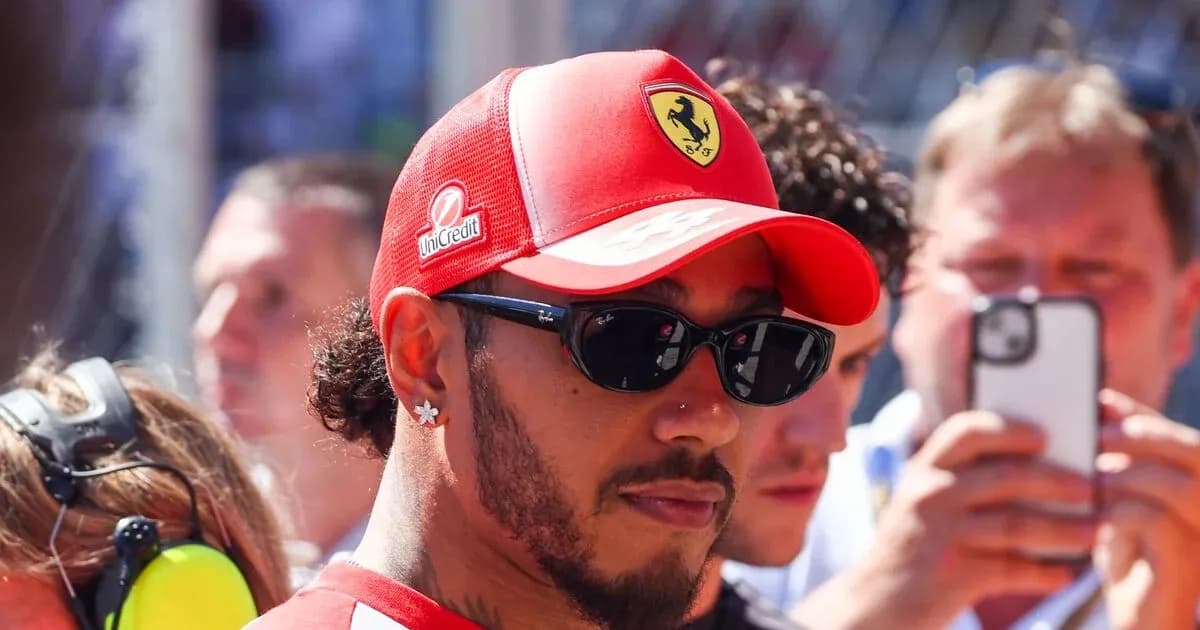
Across the paddock, Ferrari walks into its cathedral with something it hasn’t always had here in recent years – an engine upgrade and a flicker of genuine hope. The title remains a long shot, but Monza has a way of magnifying even the faintest possibility.
By the end of FP2, the picture was already splitting into winners and losers.
Winner: Ferrari’s new engine (Leclerc 2nd, team-mate 5th)
Ferrari’s second ADUO upgrade was the headline before a wheel even turned. On track, it quickly justified the hype.
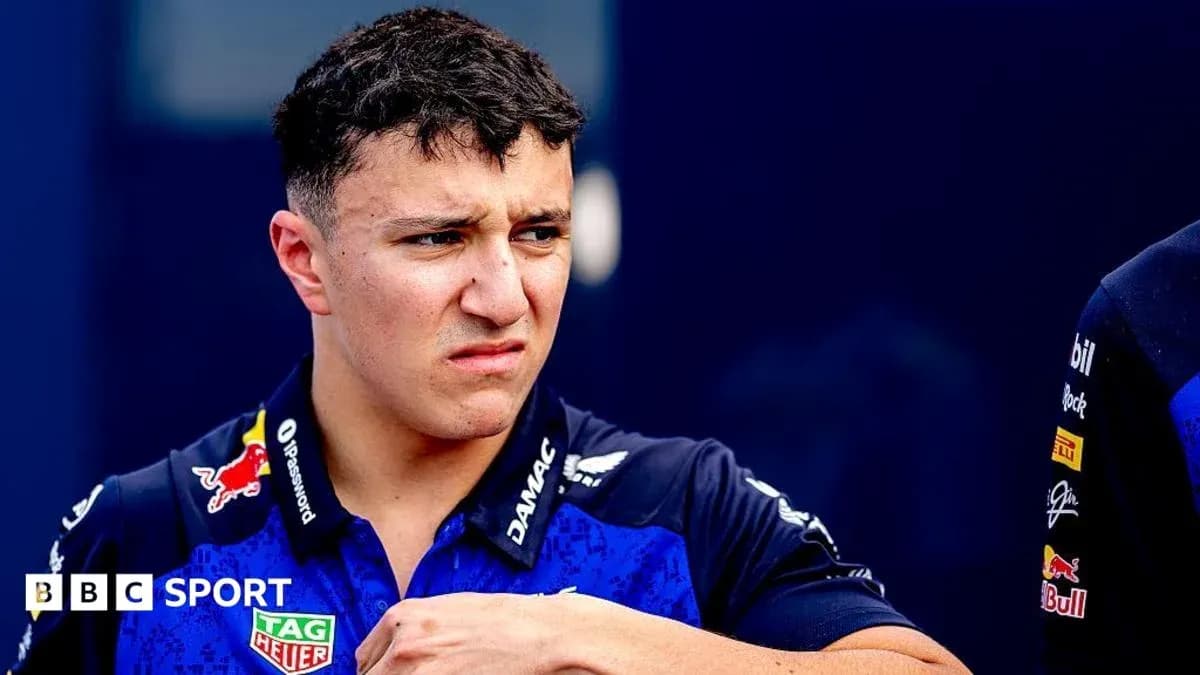
Charles Leclerc finished FP2 just 0.120s off Russell’s benchmark, second fastest and firmly in the mix on long-run pace. The raw number flatters, but the detail matters more: Leclerc set his time on soft Pirellis. The Mercedes pair – and the rapid Red Bull of Liam Lawson – ran the harder compound.
This is still only Friday, still only practice, and nobody inside Ferrari is pretending the deficit to Mercedes has suddenly vanished. The upgrade was designed to trim the power gap, not erase it. Yet Monza is the circuit that most brutally exposes a lack of horsepower, and Ferrari did not look exposed.
Both drivers are running the new spec. The car looked efficient, the speed traps less painful than in previous years, the exits from the chicanes punchier. For a team that has so often arrived here with excuses ready, this felt different.
The Tifosi came for a sign that Ferrari could at least throw a punch in its own backyard. The new engine has given them one.
Loser: Honda’s latest engine (Alonso 19th, Stroll 22nd)
Fernando Alonso had circled Monza as the real test of Honda’s latest F1 power unit. Zandvoort, where it debuted, is tight and twisty. This place is pure engine.
The early evidence is brutal.
On a track where power is king, Honda’s works Aston Martin cars sank to the bottom of the timesheets. Alonso and Lance Stroll ended up back with the Cadillacs, effectively more than a second per lap off the next-slowest car once Esteban Ocon’s compromised Haas run is discounted.
Honda’s trackside general manager and chief engineer Shintaro Orihara had already warned that expectations needed to be “realistic” and that Monza would be “challenging for [the] power unit side”. He was right. But accepting the difficulty and living it are two different things.
Alonso didn’t come here to measure how far off they are. He came to see how much they’d closed the gap. The stopwatch delivered a harsh answer.
Winner: George Russell (1st)
On Thursday, George Russell tried to play it down.
“I don’t know if we can say we’re favourites this weekend,” he said. “It’s so close right now, that last tenth in qualifying can be the difference of a couple of positions, which can change the podium. Right now, I don’t know who is going to be the team to beat.”
By Friday evening, he looked like exactly that.
Russell overturned a three-tenth deficit to Ferrari from FP1 to top FP2, edging Leclerc by that same 0.120s that will be replayed all weekend. On a circuit that rewards low drag and strong efficiency, the Mercedes package came alive.
This is the kind of track that should suit Mercedes: long straights, big stops, less emphasis on the tricky, high-energy corners that have exposed its weaknesses elsewhere. Russell extracted that advantage with authority.
He also has a strategic ally. Antonelli’s grid penalty means that, come Q3, the Italian can tow his team-mate without worrying about compromising his own starting position. On a circuit where slipstream games can decide the front row, that matters.
There is a caveat. Ferrari’s ADUO 2 upgrade may still have more to show, and Russell’s own Mercedes engine is nearing the ragged edge of its mileage. But he has planted his flag early. For a driver needing a spark in his title chase, this was exactly the kind of Friday he required.
Loser: Red Bull (9th & 12th)
Not long ago, Max Verstappen and Red Bull were talking about a new contract and a shared future. The mood music then was optimistic, ambitious, long-term.
The reality on track since that pre-Zandvoort announcement has been anything but smooth.
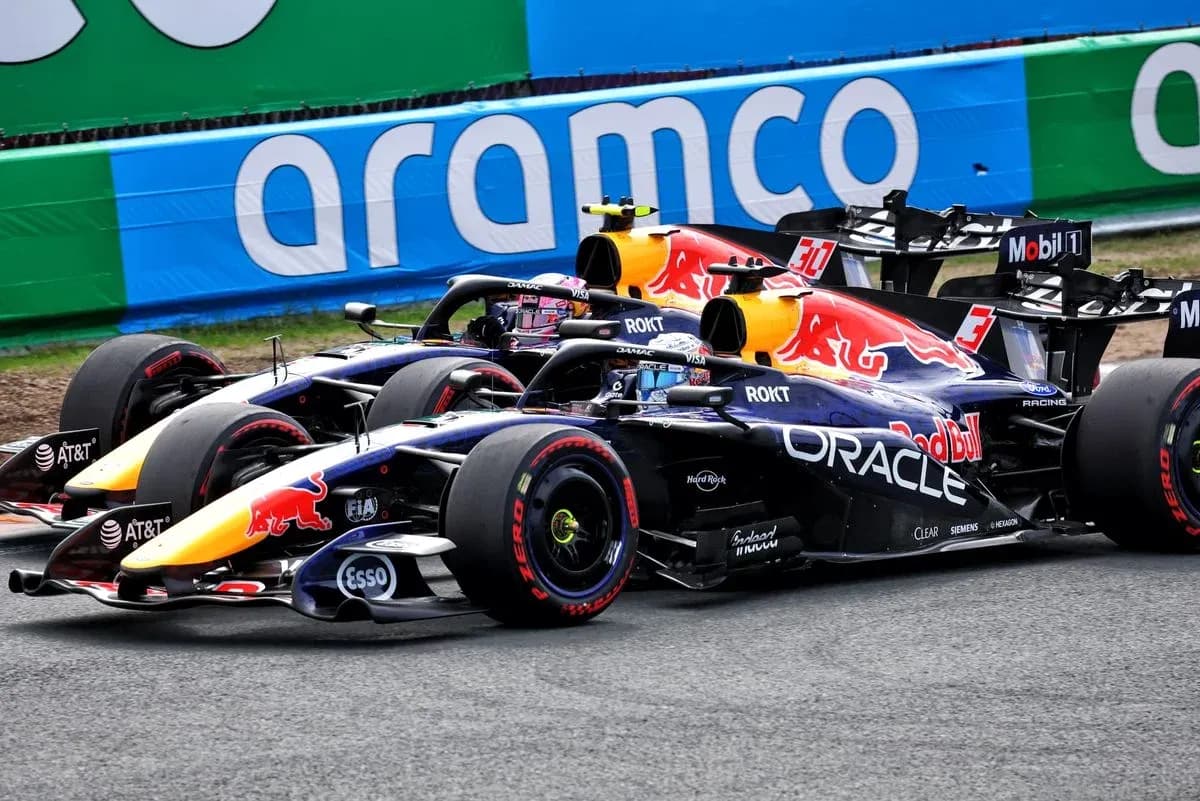
In the Netherlands, Verstappen managed only sixth in the sprint before crashing out of the grand prix. At Monza, the complaints poured in over the radio in FP2: no downforce, then a wing change, then no grip in the slow corners, brakes not working, the car “jumping” on the front axle.
The stopwatch backed up the frustration. Red Bull slumped to ninth and 12th, mired in the midfield, the car looking nervous under braking and skittish over the kerbs. On a day when Mercedes and Ferrari both found reasons to believe in their packages, Red Bull looked lost.
Verstappen has dragged this car to results it probably didn’t deserve at times this season. He may have to do so again just to keep Red Bull in touch with the sharp end. The difference now? Even his usual heroics might only be enough to rescue a place in the top 10.
Winner: Ollie Bearman (8th)
Haas arrived at Monza with what it calls its biggest upgrade of 2026. Only one driver got the full package. Ollie Bearman made it count.
Armed with new bodywork and the latest Ferrari engine – a combination team-mate Esteban Ocon doesn’t yet enjoy – Bearman hauled the car to eighth in FP2. He finished just 0.8s off Russell’s best and a mere 0.02s behind Racing Bulls rookie Arvid Lindblad.
Bearman described it as “our best Friday since probably March or that time of year” and admitted the team badly needed the lift. The upgrade has given him more downforce through the corners and, crucially, more confidence to lean on the car.
There is a trade-off. Haas knows the package is a little draggy compared to rivals. On a track like Monza, that usually spells trouble. Yet the stopwatch said otherwise. The gains in stability and cornering grip outweighed the straight-line loss.
Haas head of car engineering Hoagy Nidd didn’t downplay it. “It’s a huge upgrade,” he said. “We’ve updated all of the chassis. It’s all of the bodywork rearwards of the cockpit pretty much.”
For a team staring at a run of six consecutive point-less Sundays, eighth on a Friday is not a trophy. But it is a sign that the car, and its young driver, might finally have something to work with.
Loser: Esteban Ocon (18th)
The other side of the Haas garage told a very different story.
Ocon has the new bodywork but not the latest Ferrari engine, thanks to a quirk in F1’s regulations around additional engine homologation steps. On paper, that shouldn’t account for everything. On track, he ended FP2 more than a second slower than Bearman.
Nidd was quick to play down the gap, stressing that Ocon “perhaps wasn’t given the best opportunity to get up there” and that the missing engine upgrade doesn’t fully explain the disparity. Traffic on his push laps – a Monza classic – also hurt his times.
Even so, the timing sheets are unforgiving. One Haas looked reborn. The other looked stuck in traffic, short of power and short of answers.
Friday at Monza rarely decides a grand prix, but it often sets the tone. Mercedes has seized the early initiative through Russell. Ferrari’s new engine has given the home crowd something real to believe in. Honda and Red Bull, for very different reasons, are already on the back foot.
The question now is simple: does this pecking order hold when it really matters, or does Monza have another twist ready for Saturday’s slipstream lottery and Sunday’s flat-out fight to the first chicane?