Monza's Junior Formula Brawl: Lindblad's Perspective
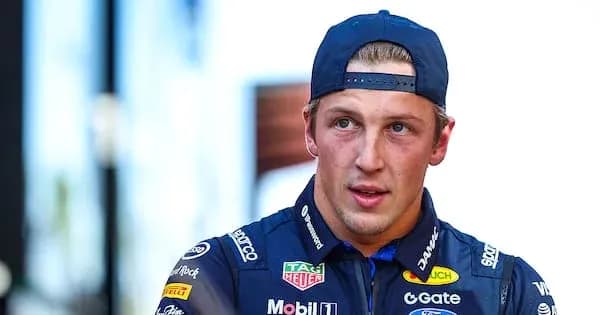
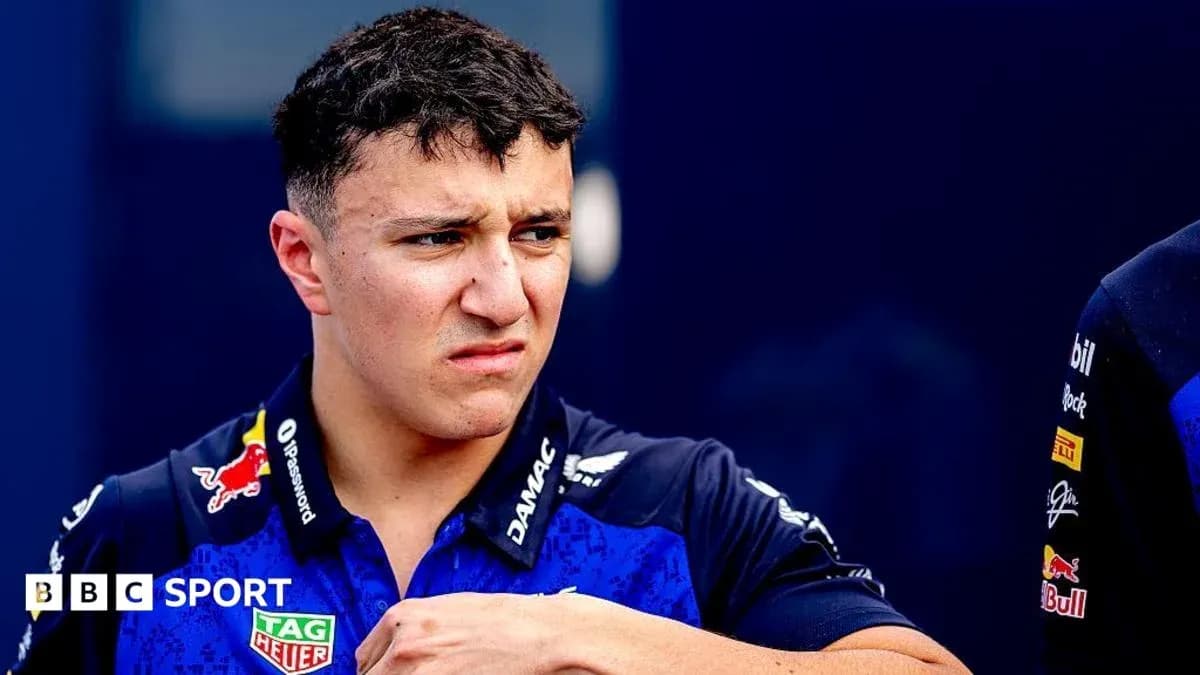
Arvid Lindblad stepped out of the Monza paddock with a grin that didn’t quite match the stat sheet. Eighth place, a quiet run to the flag, a race that died on him with a red flag. Yet he’d just lived through the kind of scrap he believes Formula 1 needs more of – even if it looked more like a junior formula dog fight than the pristine, aero-managed chess match F1 usually serves up.
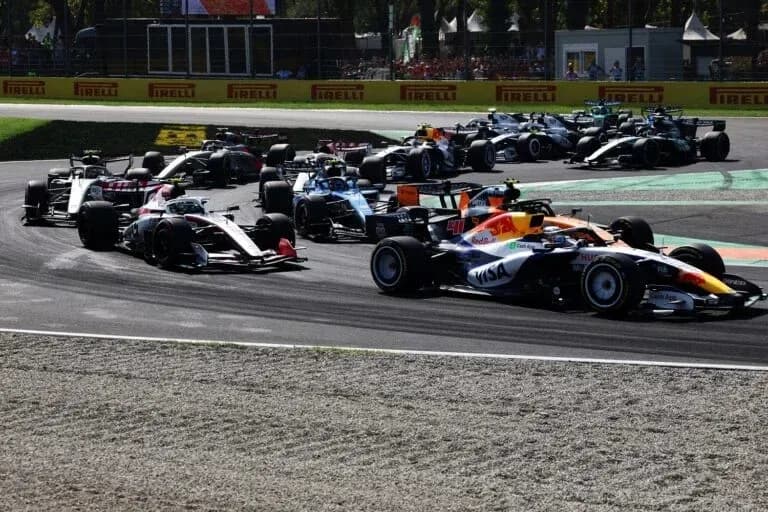
Monza turns into a junior formula brawl
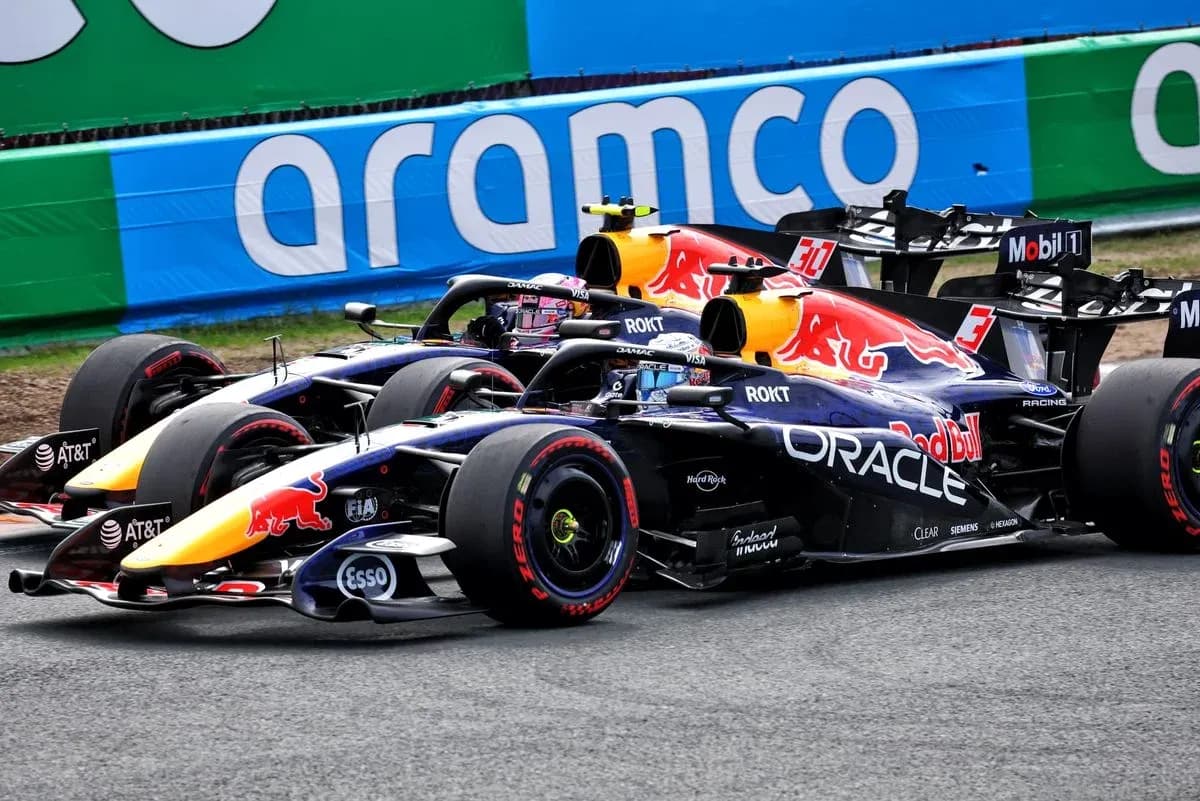
On paper, the Italian Grand Prix should have suited the usual F1 script: long straights, DRS trains, and a front pack carefully managing tyres and battery deployment. Instead, the race at the front broke out into a rolling street fight.
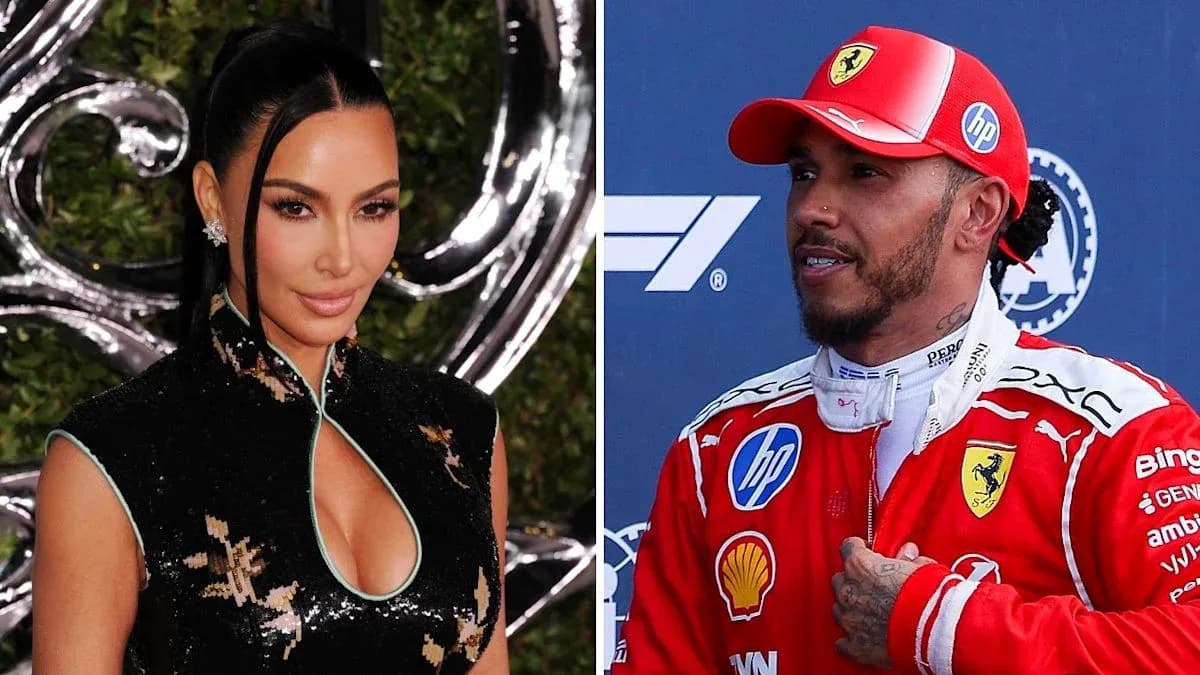
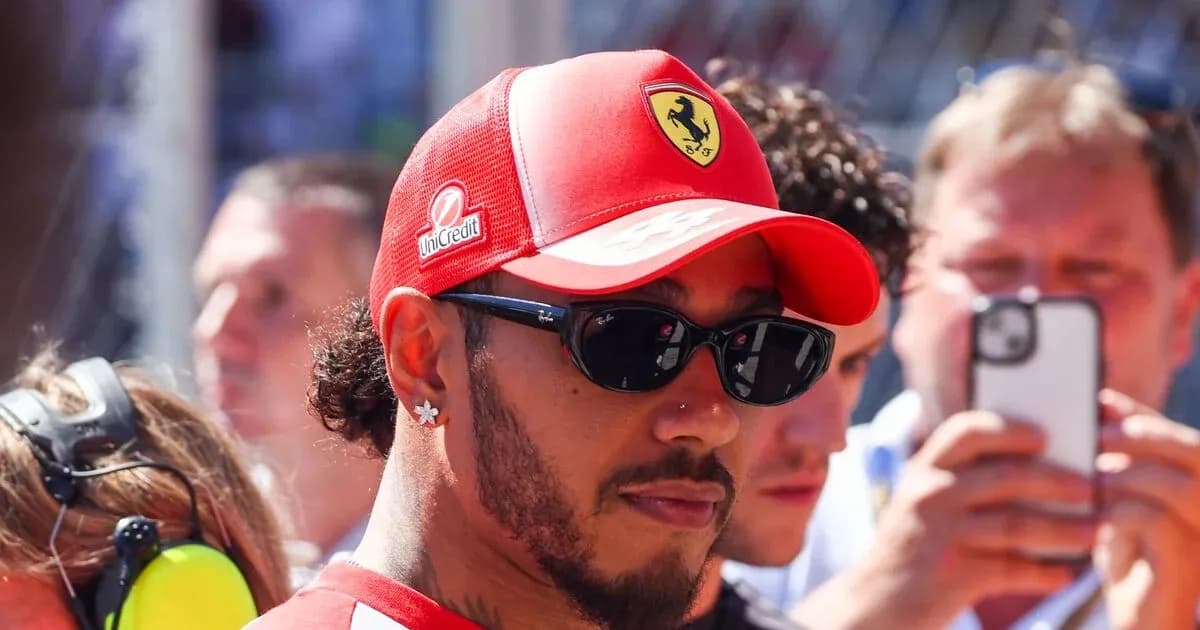
George Russell and Andrea Kimi Antonelli traded blows for Mercedes. Max Verstappen muscled his Red Bull into the mix. Lewis Hamilton, in Ferrari red at Monza of all places, fought to keep himself in that lead group, while Oscar Piastri stalked them in the McLaren. Late on, Lando Norris arrived, dragged into the melee as the race evolved into a high-speed tug of war.
Behind them, Alpine’s Pierre Gasly and Franco Colapinto occasionally punched above their weight, briefly joining the front-enders in a chaotic, energy-management-heavy scrap that had more in common with F2 and F3 than the polished hierarchy of modern F1.
Then the red flag came out. And the whole thing changed.
From chaos to a lonely grind
The stoppage reset the order and killed the rhythm. When the race resumed, the back half of the field stretched out, gaps opened, and the chaos that had defined the early laps evaporated.
Lindblad found himself stranded in no man’s land. Eighth place. Ten seconds clear of the fight in front, ten seconds safe from the pack behind. A race that had started as a brawl turned into a time trial.
"I was honestly a bit sad when the red flag came out because we all just put on the hard and went to the end, and there wasn't really much of a race anymore," he admitted. For a driver who thrives on combat, Monza had teased him, then shut the door. "It was pretty boring for me. It was 10 seconds in front, 10 seconds behind, and just cruising around."
Yet the memories that stuck weren’t from that final, static phase. They came from the laps when the field looked less like F1 and more like the junior ranks Lindblad knows so well.
“A bit of a dog fight” – and that’s the point
Lindblad didn’t dress it up. What unfolded at times around Monza was messy, scrappy, and not always the cleanest advertisement for high-end racecraft. But it was alive.
"No, it was fun," he said when asked about the intensity. "I wouldn't say it that way, I would say, F1's a bit it's got not got enough racing, and it's a bit too single file. If you watch an F2 or an F3 race, that's what it's like the whole time."
That was the comparison that stuck. F2 and F3 races are rarely pretty. Cars dart in and out of slipstreams, drivers throw late moves into chicanes, and the pack surges and snaps like an elastic band. At Monza, for a while, F1 dipped into that same energy.
"And I think it was good for the sport to show that," Lindblad continued. He didn’t pretend it was the perfect solution to F1’s overtaking debate. "I'm not sure it was the right way that we should be showing overtaking and passing in the sport, but it was it was cool to have a bit of a scrap, have a bit of a dog fight going on. Because that's what we're all here for, so I enjoyed it."
In other words: it might not be textbook, but it beats a procession.
A quiet eighth, a loud result
Strip away the emotion and the result matters. Racing Bulls are locked in a tight constructors’ fight with Alpine for fifth. Every point counts. Every damage-limitation weekend matters.
Lindblad’s eighth place, on its own, looks modest. In context, it was pivotal. With Gasly seventh for Alpine and Colapinto ninth, the French team landed a decent haul. Yuki Tsunoda grabbed 10th for Racing Bulls, but his result now hangs in the balance with Audi pursuing an appeal that could yet change the classification.
For the moment, though, Racing Bulls still hold a seven-point cushion over Alpine. That slender margin owes plenty to Lindblad’s ability to survive the chaos, then manage the monotony.
"Yeah, I think it's good," he said of the outcome. "In the end, it was the maximum that was possible, so we should be we should be happy. In the end, Alpine have had the upper hand this week."
They did. Alpine’s straight-line speed told the story down Monza’s endless runways. Racing Bulls simply didn’t have the legs to fight them on pure pace.
"They've been way faster than us on the straights. And we know this is a very unique circuit, so I think to limit the damage here was good," Lindblad explained. That was the real victory: not the position, but the containment job. "And we we're very confident that we know the package we have in the upcoming rounds, so it shouldn't be a problem."
So Monza leaves a split-screen image for Lindblad and Racing Bulls. On one side, a driver relishing a rare F1 dog fight that felt more like his junior days. On the other, a team quietly banking points in a constructors’ battle that could define their season.
If this was what a “bad” weekend looks like for Racing Bulls, what happens when the circuits swing back towards their strengths?