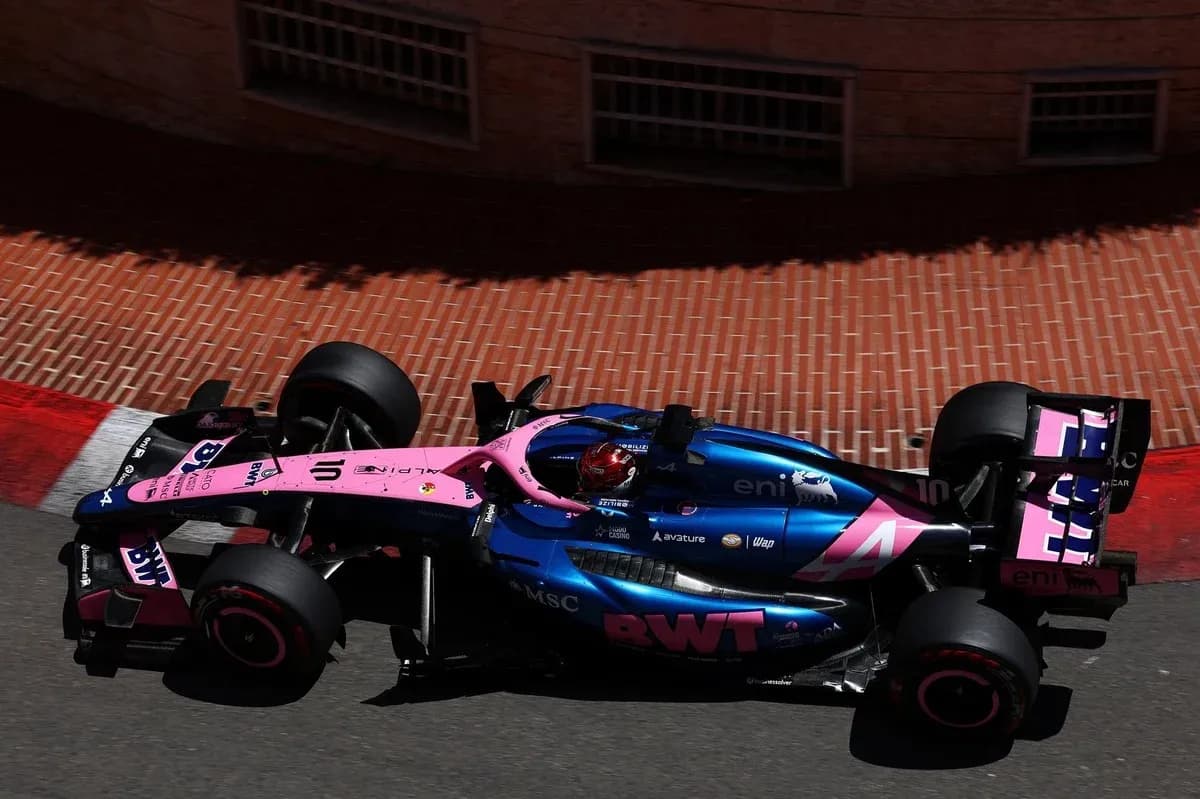
Pierre Gasly Loses Monaco Podium Again After ICA Ruling
Pierre Gasly’s Monaco podium is gone. Again.
The Alpine driver has lost his third place from the 2026 Monaco Grand Prix after the FIA’s International Court of Appeal (ICA) ruled that his pitlane speeding penalties must stand, closing the door on one of the most tangled post-race sagas of recent seasons.
From podium champagne to courtroom setback
Gasly had originally been hit with two five-second penalties for speeding in the pitlane, one of several drivers flagged by the timing loops in Monte Carlo. The issue? Those very measurements were later found to be wrong, with a 77cm discrepancy between the first two timing loops in the pitlane – a tiny distance that created a huge storm.
Oscar Piastri, George Russell and others served their penalties during the race. Russell’s situation grew even messier when Mercedes incorrectly served his sanction, triggering a drive-through that wrecked his afternoon.
Gasly’s case played out differently. His penalties were added to his race time, dropping him from a hard-earned third to seventh. Because they were applied after the chequered flag, Alpine had the scope to request a right of review. The team took that chance.
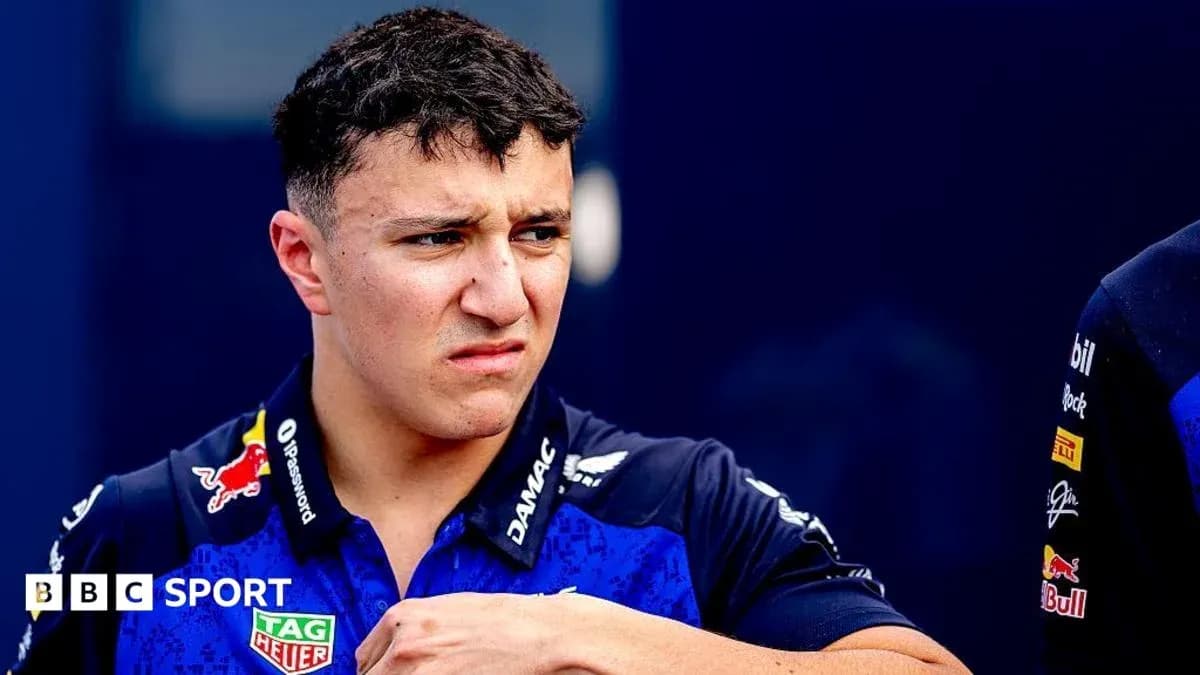
On 12 June, FIA stewards agreed with Alpine and overturned Gasly’s penalties. The Frenchman was reinstated to third, his podium restored. But that ruling created a new problem: drivers who had already served their penalties on track, such as Red Bull’s Isack Hadjar and McLaren’s Piastri, had no way of getting their lost time back.
Hadjar and Piastri dropped from third and fourth on the road to fourth and fifth in the final classification. Red Bull and McLaren both appealed, with Racing Bulls – whose drivers also lost positions – and Motorsport UK backing the challenge.
The fight moved from the streets of Monaco to the ICA in Paris. That’s where Gasly’s podium finally slipped away.
ICA backs penalties – and Hadjar’s podium
On Friday, the ICA ruled that the original penalties must stand. Gasly is pushed back down to seventh. Hadjar, who had celebrated third place immediately after the race before the stewards’ U-turn, now officially inherits the final podium spot.
The Court’s reasoning cut straight to the heart of Alpine’s argument. The team claimed Gasly had not exceeded the pitlane speed limit and that the inaccurate loop spacing meant the timing data could not be trusted. The ICA, though, said Alpine could not prove “with full certainty” that Gasly had actually travelled a longer distance than the system recorded between the two timing loops.
His shorter time through that section, the Court noted, could be down to “a shorter path, greater speed, or a combination of both.” Without conclusive evidence that the timing error alone explained the data, the penalties remained valid.
The ICA also drew a clear line on the status of other drivers’ penalties. It confirmed that the fact some teams chose to serve sanctions during the race “cannot be an obstacle to the cancellation of an illegitimate sanction, because those penalties were served at the discretion and choice of the team.”
The key point: teams made their own strategic calls in-race. That, the Court argued, cannot be used as a reason to preserve or scrap penalties on the grounds of “sporting unfairness,” because doing so would itself be “inconsistent with sporting fairness.”
In the end, the Court sided with McLaren and Red Bull. The stewards’ June decision was overturned. The original Monaco penalties stand.
Alpine left seething but defiant
Alpine did not hide its anger.
The team issued a statement expressing “disappointment and frustration” with the outcome and doubled down on its belief that Gasly had done nothing wrong.
“While we disagree with the decision, and still fully maintain that Car #10 did not exceed the Pit Lane speed limit at any point during the race, the team acknowledges the decision of the judging panel from the recent hearing in Paris,” the statement read.
The team called the verdict “unjust” but stressed it will not derail its season, stressing its focus on performance and a “very competitive Championship fight.” The message was clear: they feel wronged, but they will not allow a courtroom defeat to define their year.
“This outcome will not deter the team’s efforts and motivation in achieving its objectives by the end of the season,” Alpine concluded.
Gasly, who had already lived through the emotional swing of losing, regaining and now losing his Monaco podium again, must now turn the page on one of the most bittersweet weekends of his Formula 1 career.
FIA promises review of timing and legal processes
The FIA, for its part, moved quickly to defend its stewards while acknowledging that the wider system needs work.
In its own statement, the governing body noted that the ICA decision “upholds the appeals of McLaren F1 Team and Red Bull Racing against the decisions of the stewards contained in document 99 of the Monaco Grand Prix, effectively overturning those decisions.”
The federation confirmed it is “reviewing the methodology and operation of the current Formula 1 timing system and the related regulatory matters.” It will also look again at judicial mechanisms, including the right of review and appeal processes that turned this case into a months-long legal marathon.
The FIA underlined its support for its stewarding panels, highlighting their “independence and objectivity” and stressing that stewards operate in a very different environment to the ICA. The Court, the FIA pointed out, has access to extensive legal counsel, arguments and additional evidence that stewards simply do not have in the heat of a race weekend.
According to the FIA, its stewards “constantly review their processes and take part in extensive professional development,” with every ICA decision examined to drive “continuous improvement.”
The message is unmistakable: the system will be tweaked, but the authority of the stewards remains intact.
A Monaco result that won’t sit quietly
So the final Monaco classification is set. Gasly is seventh. Hadjar stands on the podium. Piastri and others stay where the original penalties left them.
The timing loops will be checked. The regulations will be pored over. The legal playbook will be updated.
What won’t be so easy to adjust is the sense, in some corners of the paddock, that a driver who believed he had driven within the rules has paid the price for a flawed system. And as the season moves on, the question lingers: in a sport decided by thousandths of a second and centimetres of track, how many more races can Formula 1 afford to let the courtroom rewrite the story?