Ralf Schumacher Critiques Hamilton's Ferrari Radio Rant
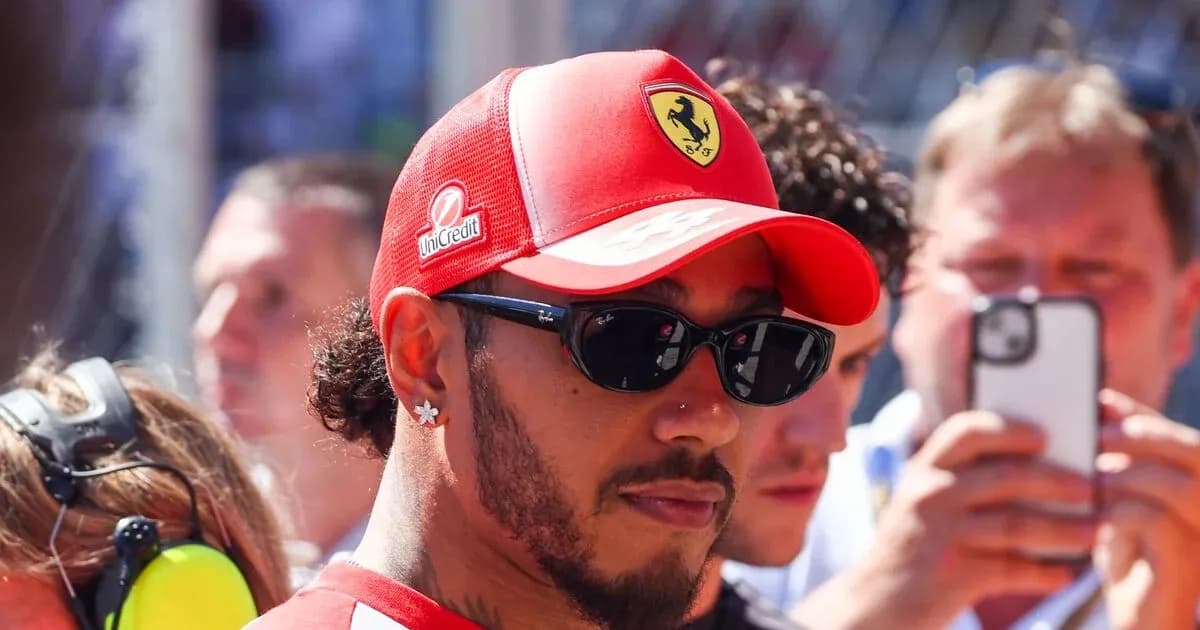
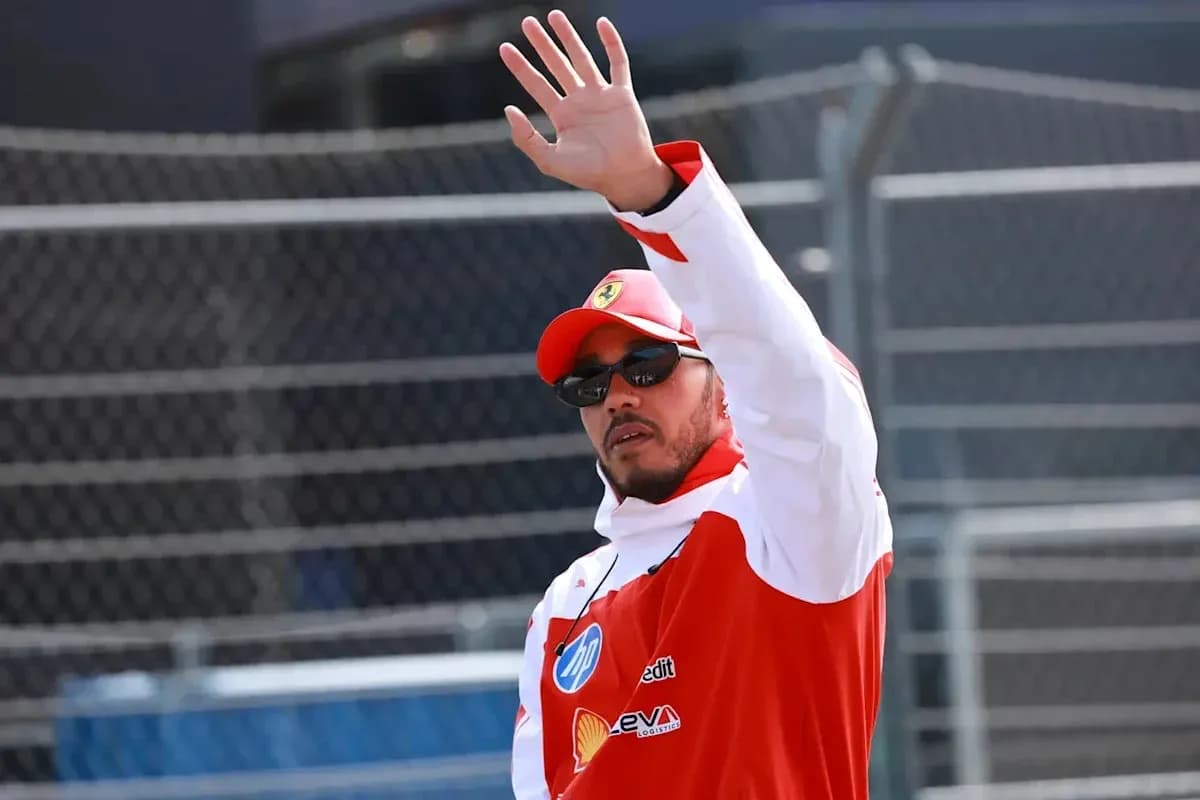
Lewis Hamilton left Zandvoort with more than just bruised pride over strategy. He left with a public rebuke from one of Formula 1’s old guard.
Ralf Schumacher believes the seven-time world champion crossed a line with his team-radio outbursts at the Dutch Grand Prix, arguing that a driver of Hamilton’s stature should have shown more control when his Ferrari race began to unravel.
The flashpoint came as Lando Norris surged to victory and Hamilton found himself stuck behind teammate Charles Leclerc, watching the race slip away and saying so, repeatedly, over the radio. Lap after lap, his frustration with Ferrari’s calls spilled out in real time, the messages painting a picture of a driver convinced his race was being compromised.
Hamilton later tried to put the fire out. The day after the race, he posted an apology on social media, admitting that his emotions had run too hot in the cockpit. He stressed that the criticism came from a desire to maximise Ferrari’s result, not from any lack of belief in the team or its leadership, and reaffirmed his commitment to the project.
For Schumacher, that wasn’t quite enough.
Speaking on the Backstage Boxengasse podcast, the former F1 race winner said he understood the raw anger in the immediate aftermath – every driver knows that feeling when strategy and traffic conspire against you – but he made it clear he expected more composure from someone with Hamilton’s mileage and status.
“I can understand a certain amount of frustration. That’s always there as a driver, and especially immediately after the race, the emotions are still there,” Schumacher said. “But at his age and with his standing, you could handle it a little differently. Especially when it comes to criticising the team publicly.”
Then came the sharper edge. Schumacher argued that, right now, Ferrari actually deserves more patience from Hamilton than Hamilton does from Ferrari. He pointed to the Briton’s difficult first season in red, suggesting that the balance of “credit in the bank” still sits with the Scuderia.
“I think that particularly applies to him, considering that last year he really didn’t help the team. I think the team still has a little more credit in the bank than he does. You can handle that differently,” he said.
Schumacher also touched on the political undercurrent in Maranello. In the paddock, he noted, there are whispers that Hamilton is the first Ferrari driver in years who appears, at least to some within the Italian camp, to see himself as bigger than the brand. For a team that has always placed the prancing horse above any single superstar, that perception matters.
How “One Lap More” Lit the Fuse
Inside Ferrari, the focus is less on the noise and more on how the situation spiralled in the first place.
Team principal Frederic Vasseur offered a candid breakdown of the strategic tangle at Zandvoort. Ferrari, he explained, initially expected Hamilton to pit as soon as he caught Leclerc. That would have been the clean, logical move: clear air, fresh tyres, and no need for intra-team choreography.
Then traffic arrived at exactly the wrong moment.
As the picture changed around them, the pit wall asked Hamilton to stay out for one extra lap. That single extension – “one lap more” – knocked their plan off balance. Once they’d made that call, Ferrari found themselves boxed in: they couldn’t realistically ask Hamilton to continue yet another lap while also orchestrating an immediate position swap with Leclerc. The window to tidy things up closed almost as soon as it opened.
Vasseur admitted that a different decision around lap 46 might have produced a cleaner race for Hamilton, but he was quick to frame that as hindsight. The real failure, in his eyes, lay not in the raw strategy but in how it was communicated.
Ferrari, he said, never made it sufficiently clear to Hamilton that they now expected him to run to the flag on that path, not simply push hard in that phase and wait for a different instruction. The ambiguity fed the frustration. The frustration fed the radio.
By the time the chequered flag fell, the damage was done: a messy afternoon on track, and a public airing of grievances that has reopened the old debate about where the line sits between a champion’s competitive fire and a team’s need for unity.
Ferrari can adjust its calls. It can sharpen its messages. The bigger question is whether Hamilton, in the white heat of a race he feels is slipping away, is willing – or able – to adjust his.