Ralf Schumacher Warns Hamilton: No Special Treatment at Ferrari
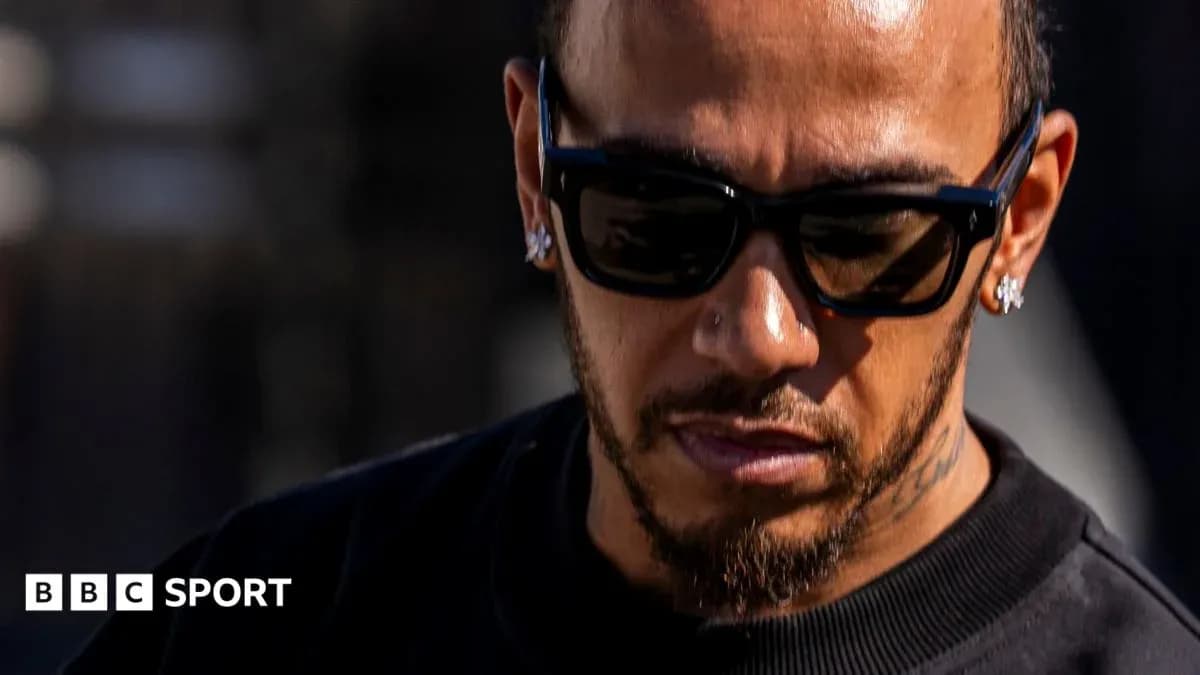
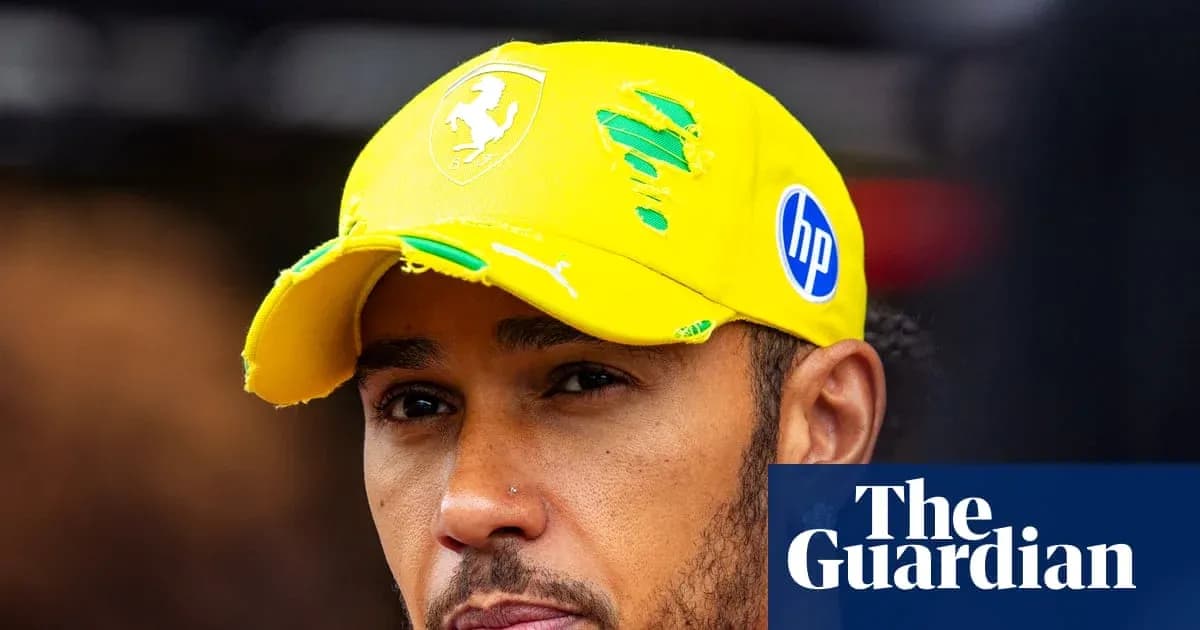
Lewis Hamilton has been warned not to expect Michael Schumacher-style treatment at Ferrari – by Schumacher’s own brother.
Ralf Schumacher has drawn a hard line through the romantic notion that Ferrari might bend itself around Hamilton in the way it once did for his seven-time world champion sibling, insisting the Briton has not yet earned the right to be the Scuderia’s undisputed leader ahead of Charles Leclerc.
“He is simply not fast enough”
Hamilton arrived at Ferrari with the weight of history on his shoulders: seven world titles, more wins, more poles, more podiums than anyone in Formula One history. A driver used to being the axis around which a team spins. A driver who has never seen himself as anyone’s number two.
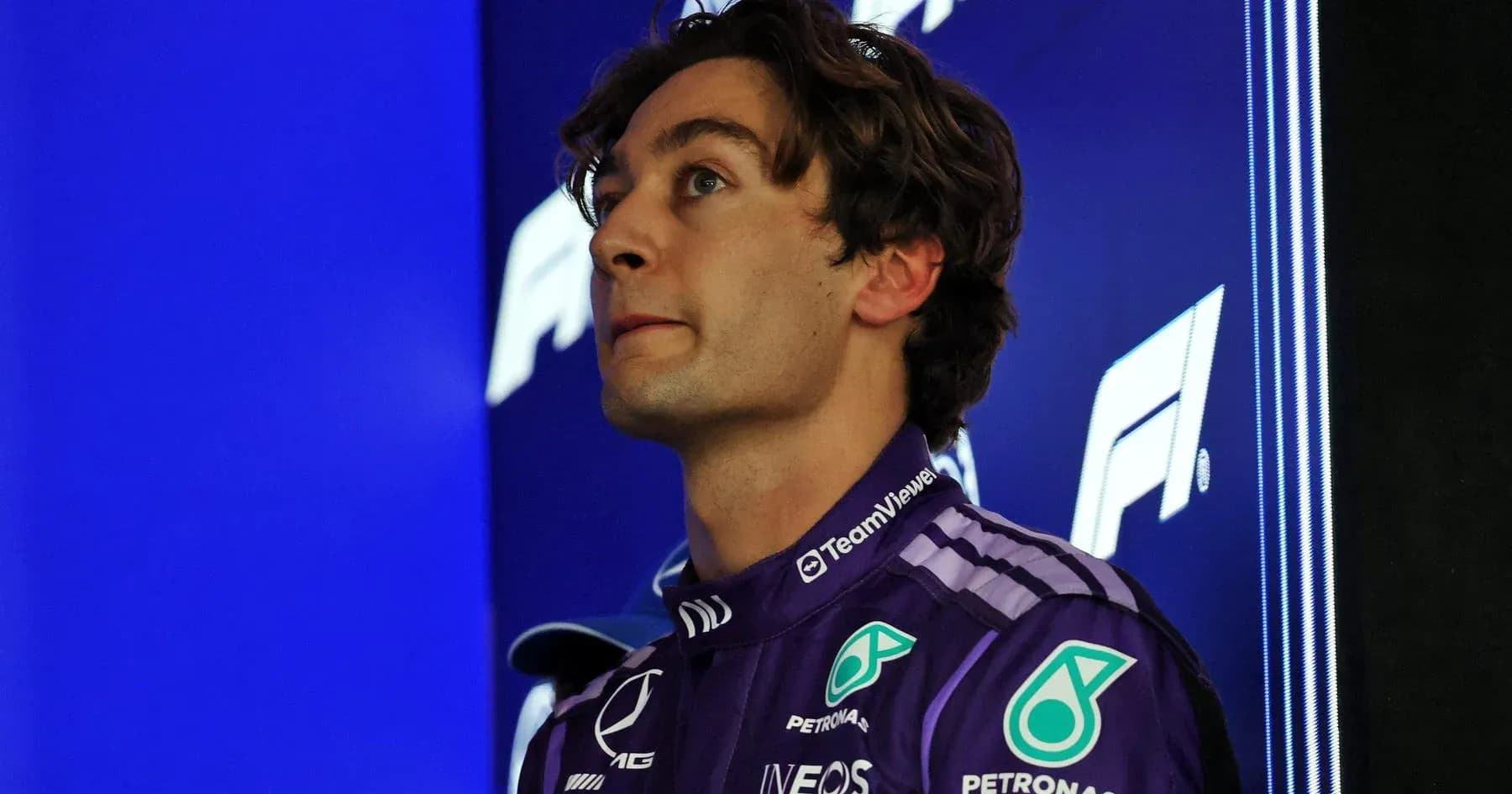
Leclerc, though, is not Rubens Barrichello or Eddie Irvine. He is 29, entering his eighth season in red, tied down to a long-term contract and deeply embedded in the fabric of Ferrari’s modern era. He has grown up as the man around whom Maranello planned its future.
Ralf Schumacher’s view is blunt. Hamilton, now 41, simply hasn’t done enough in a Ferrari to demand that hierarchy be tilted in his favour.
“The problem is that he is simply not fast enough compared to Leclerc,” Ralf said. “If he were clearly better than his team-mate, like my brother was back then, this discussion wouldn't even exist. He is the one causing it.”
That is a brutal benchmark. Michael Schumacher’s Ferrari years were built on an unshakeable internal order. Everyone knew their place. Team-mates understood they were there to support the main act. Hamilton walked into a very different dressing room.
Numbers that don’t settle the argument
On paper, Hamilton does have a small edge. He leads Leclerc in the drivers’ standings by 12 points. Both have a single grand prix victory this season. Their Sundays, though, tell a story of near parity rather than dominance.
The head-to-head for race finishes as the leading Ferrari is locked at 10–10. Hamilton once held a clear advantage in that statistic, but Leclerc has surged back, finishing ahead of his team-mate in eight of the last 12 grands prix. The tide has turned in the second half of the campaign.
Over one lap, Leclerc holds the upper hand. He has out-qualified Hamilton 11 times in 20 attempts, a margin that undercuts any claim that the hierarchy should be written in bold around the Briton’s name. Even the sprints refuse to separate them: 3–3 in sprint qualifying, 3–3 in sprint race results.
These are not the numbers of a default number one and a compliant number two. They are the numbers of a civil war waiting to happen if not managed carefully.
Ralf Schumacher’s demand is clear. If Hamilton wants the garage built around him, he has to make it obvious.
“[Hamilton must] always make sure he's ahead and be a second or half a second faster than Leclerc. Win every race or at least finish ahead of him – it's that simple.”
It is a ruthless standard. It is also exactly the standard his brother once set.
Flashpoint in Mexico
The tension burst into the open in Mexico City.
Hamilton started from pole, Leclerc lined up alongside him. By the time they reached turn one, the pair were wheel to wheel, both desperate to stamp authority on the race and, by extension, on the internal power struggle.
Leclerc ran off track as he fought for the lead, briefly seizing control on the road. The move backfired. Max Verstappen slipped past Hamilton in the chaos and later profited again when Leclerc was hit with a penalty for his off-track overtake. What should have been a Ferrari win dissolved into another Verstappen victory.
Ferrari had thrown away control by allowing their drivers to fight each other instead of the field. The cost was immediate. The fallout was inevitable.
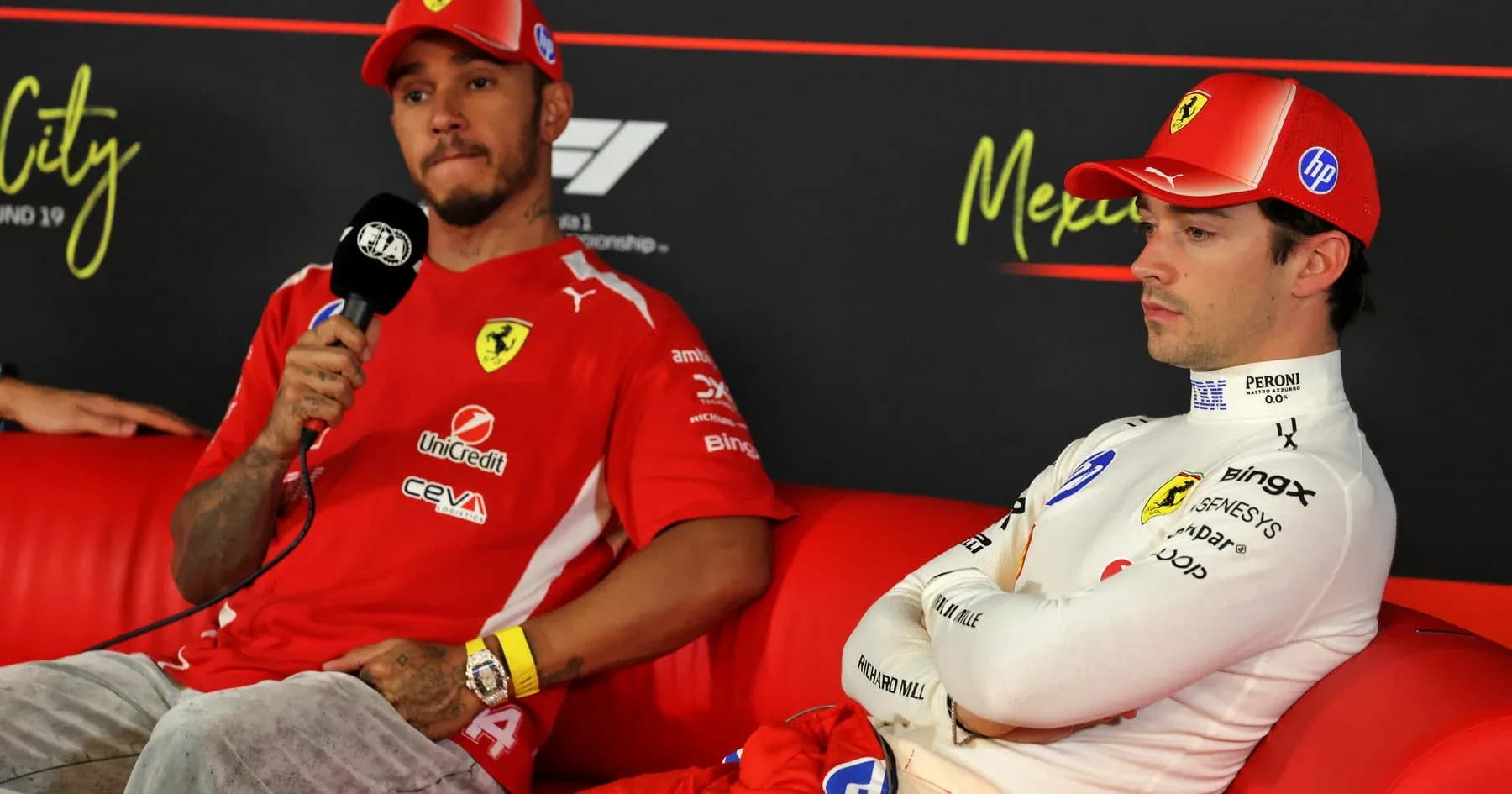
Hamilton called for “serious talks” with his team-mate, discussions that took place in Brazil the following weekend. Both drivers emerged insisting that the air had been cleared. The body language in the paddock suggested something closer to an uneasy truce than a lasting peace.
Leclerc admitted as much.
“Of course there is [tension],” he said. “We want to finish ahead of each other and sometimes we are not going to do things right. It's okay sometimes to disagree on the way you see things.”
That is the reality Ferrari now live with: two alpha drivers, one car concept, one title dream.
No automatic coronation in red
The contrast with the Schumacher era could hardly be sharper. Back then, Ferrari built a fortress around one man. Strategy, politics, development – all tuned to Michael’s rhythm. Team-mates were fast, but they were never a threat.
Hamilton walked into Ferrari with a reputation that would once have guaranteed that status. Ralf Schumacher’s intervention is a reminder that reputations don’t win internal battles. Lap times do.
Right now, the stopwatch says there is no clear king at Ferrari.
Hamilton has the legacy. Leclerc has the roots. The team has a choice to make – or perhaps, as Ralf suggests, the drivers will make it for them on track.
If Hamilton truly wants the Schumacher treatment, he will have to earn it the same way Michael did: by leaving no room for debate.