São Paulo Grand Prix: Chaos and Opportunity in Qualifying
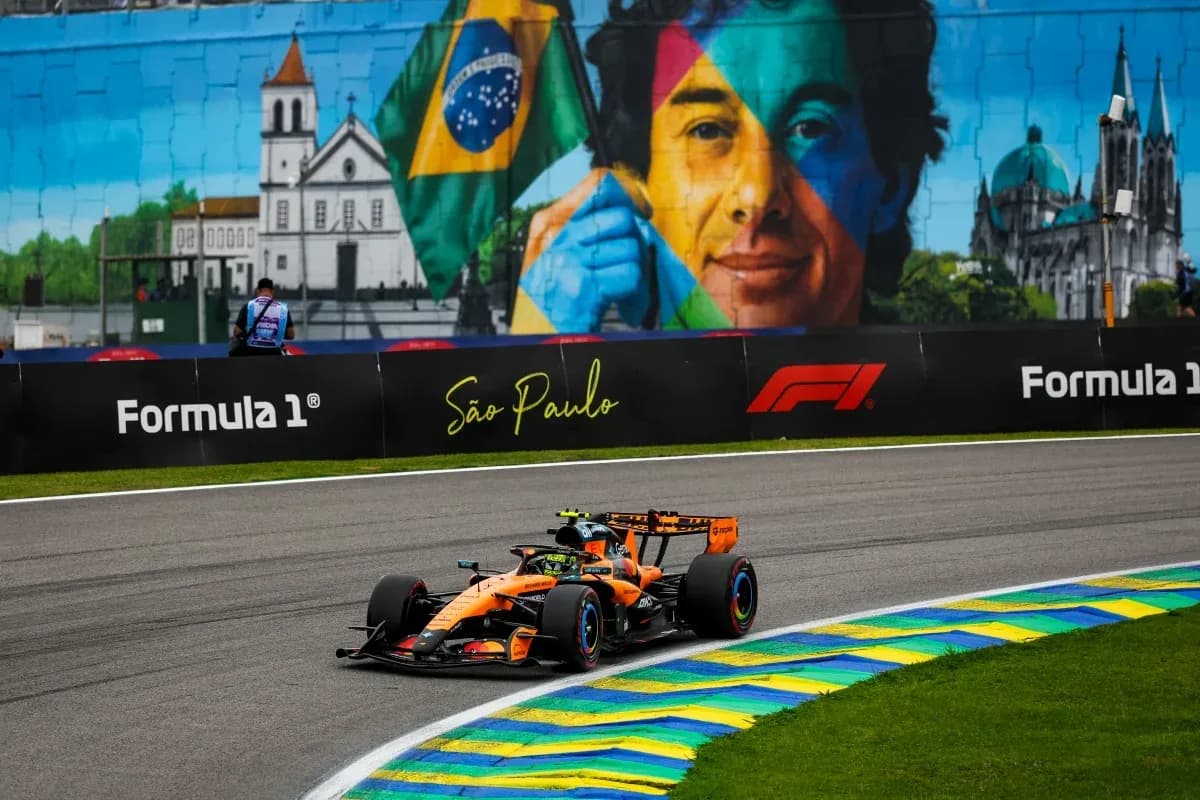
The Brazilian Grand Prix has not yet turned a wheel in anger, but Interlagos has already delivered chaos. A storm, a string of penalties, and a few opportunists have combined to rip up the usual script for Sunday’s race in São Paulo.
Qualifying became a test of survival rather than speed. Torrential rain at the start stretched the session by almost two hours, with drivers waiting, watching, and then gambling on the changing track. Those who judged it right were rewarded handsomely.
One of the standout stories came from a familiar name. Fernando Alonso, fighting through a difficult season, finally dragged his car into Q3 for the first time this year. In the wet, with grip vanishing and lap times swinging wildly, the veteran’s feel for changing conditions shone again. He was not alone in seizing the moment.
Liam Lawson and Nico Hülkenberg turned the weather into an opportunity and will be rewarded with spots on the second row of the grid. On a normal dry Saturday, that kind of starting position would be a long shot. In this storm-hit qualifying, they became the big winners, perfectly timing their laps as the circuit evolved.
Then came the second wave of disruption: the penalties.
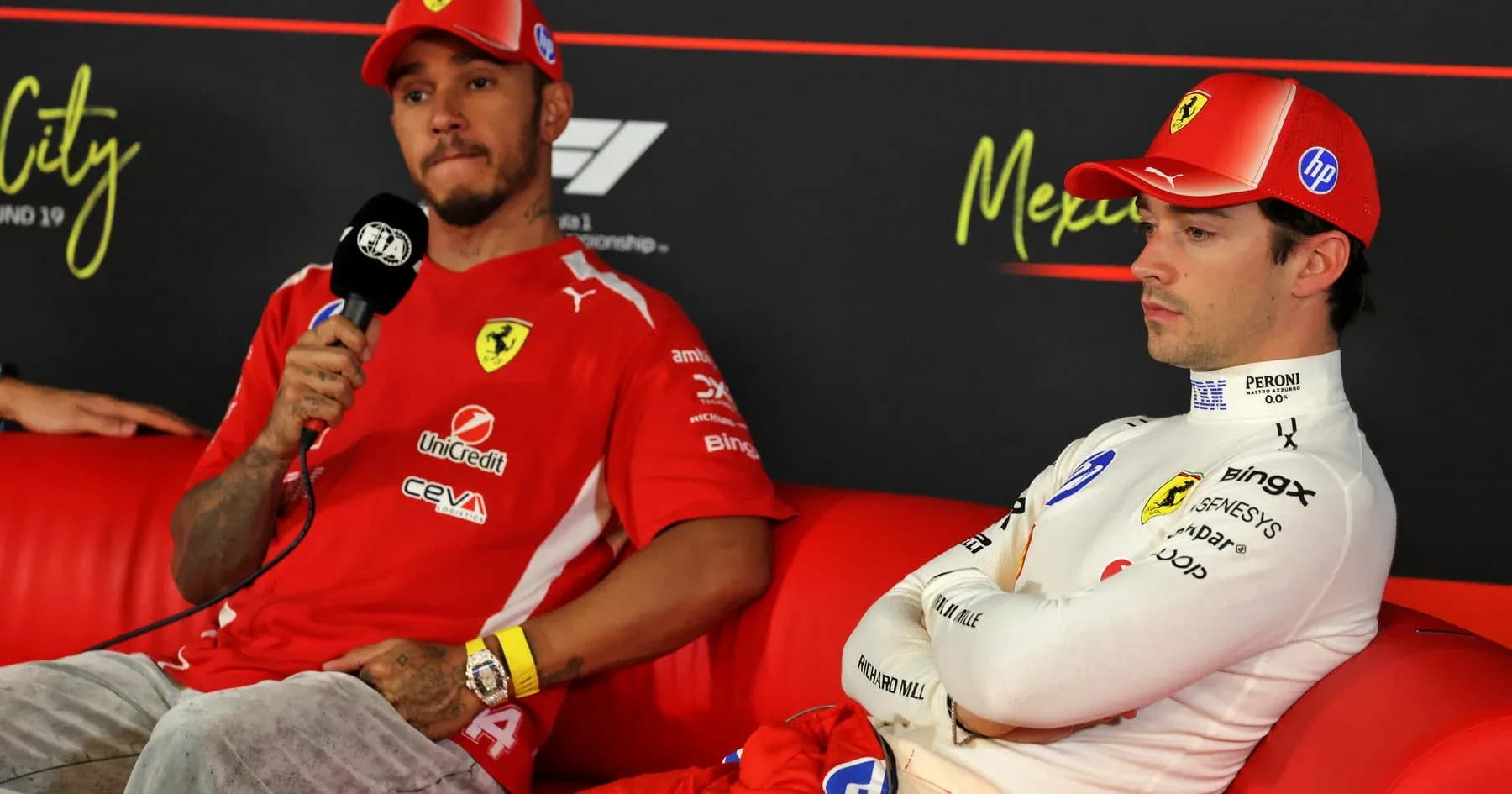
Some of the sport’s biggest names will be nowhere near the front when the lights go out on Sunday at 18:00 French time. Sergio Pérez, Max Verstappen, and Lewis Hamilton all carry heavy engine penalties and will start from the back of the grid. Three of the most aggressive racers in the field, all with something to prove, buried in traffic on one of the tightest, most unforgiving laps in Formula 1.
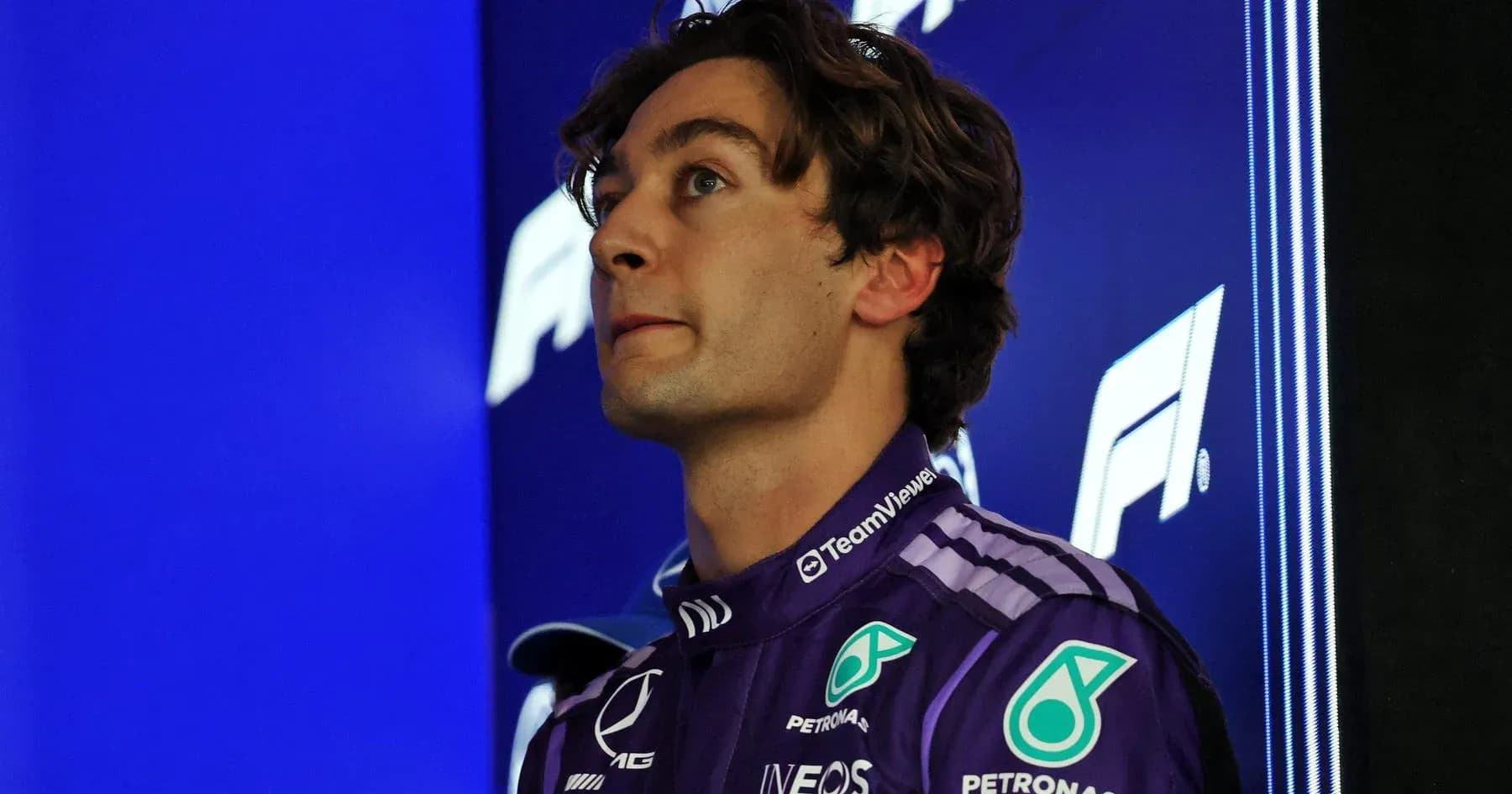
George Russell has not escaped unscathed either. He drops five places from his qualifying result, while Charles Leclerc is hit even harder with a ten-place grid penalty. Both will feel they had the pace to fight higher up, but the stewards’ decisions have locked them into a recovery drive.
The result is a starting order that looks nothing like a typical modern F1 grid. Proven race winners scattered through the field. Opportunists and wet-weather specialists pushed into the spotlight. Interlagos, a track that already encourages bold moves and punishes hesitation, will now host a race loaded with faster cars charging from the back and unlikely contenders defending the positions of their lives.
For the fans in São Paulo, this is exactly what they came for: a scrambled deck, a grid full of jeopardy, and a Brazilian Grand Prix that promises overtakes, risk, and raw aggression from the very first lap.