Steiner Predicts Verstappen Winless in 2026
Guenther Steiner has never been one to sugar-coat. This time, his target is the driver who once made winning look routine.
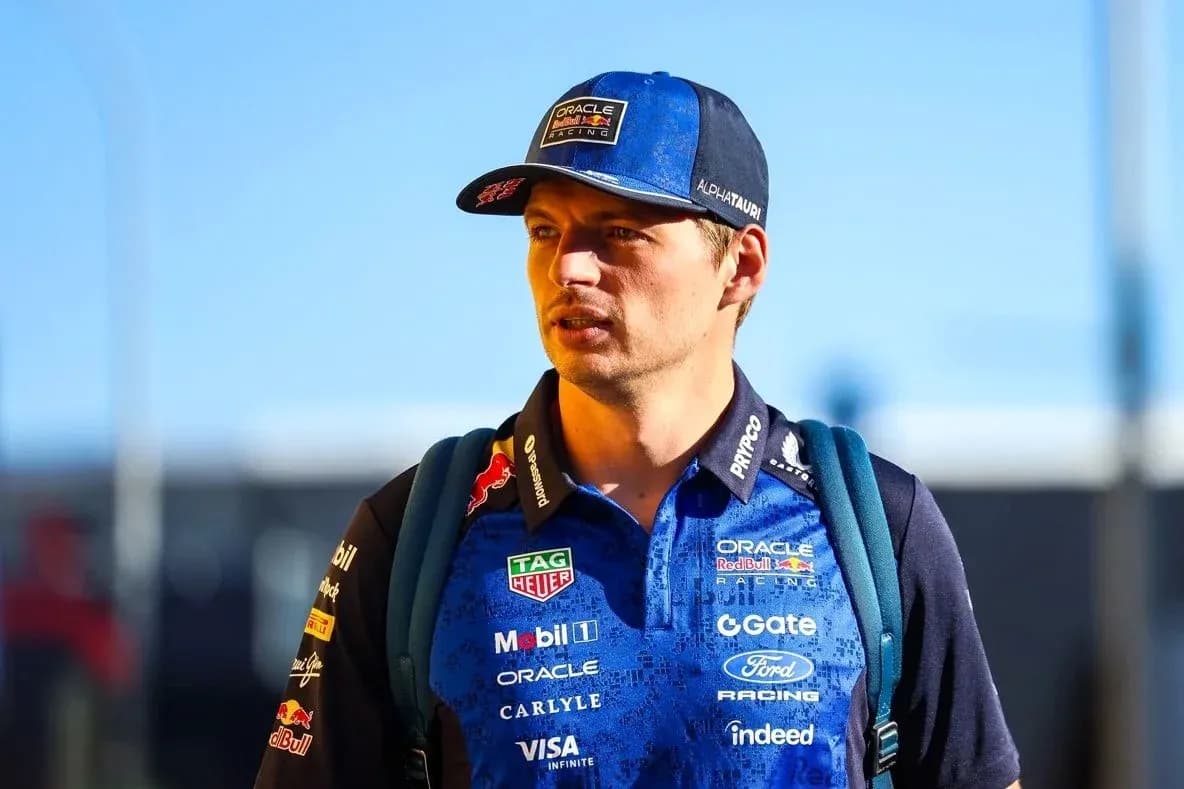
The former Haas Formula 1 team principal believes Max Verstappen will go through the entire 2026 season without a single grand prix victory, such is his concern over the current state of Red Bull’s package.
Right now, the numbers back up the sense of decline. Verstappen sits only sixth in the standings on 145 points, a huge 147 adrift of championship leader Kimi Antonelli. For a four-time world champion who used to bend seasons to his will, his year has been reduced to near-misses: second place in Austria, Hungary and Spain his best returns so far.
On The Red Flags Podcast after the Spanish Grand Prix, Steiner was presented with a blunt proposition in the show’s ‘Gas or Brake’ segment: will Verstappen finish 2026 winless?
He didn’t hesitate.
“Gas, he will not,” Steiner said. “Mercedes and McLaren are too strong, and it's just the car. He's not good enough. He will be Super Max, he will be on the podium, but I think that's the limit. That's the limit of that car.”
It was classic Steiner – sharp, provocative, and absolutely clear where he thinks the ceiling now lies for Red Bull.
Madrid Exposes the Gap
The Spanish Grand Prix in Madrid underlined the problem. Verstappen did what champions do: he pounced when opportunity appeared.
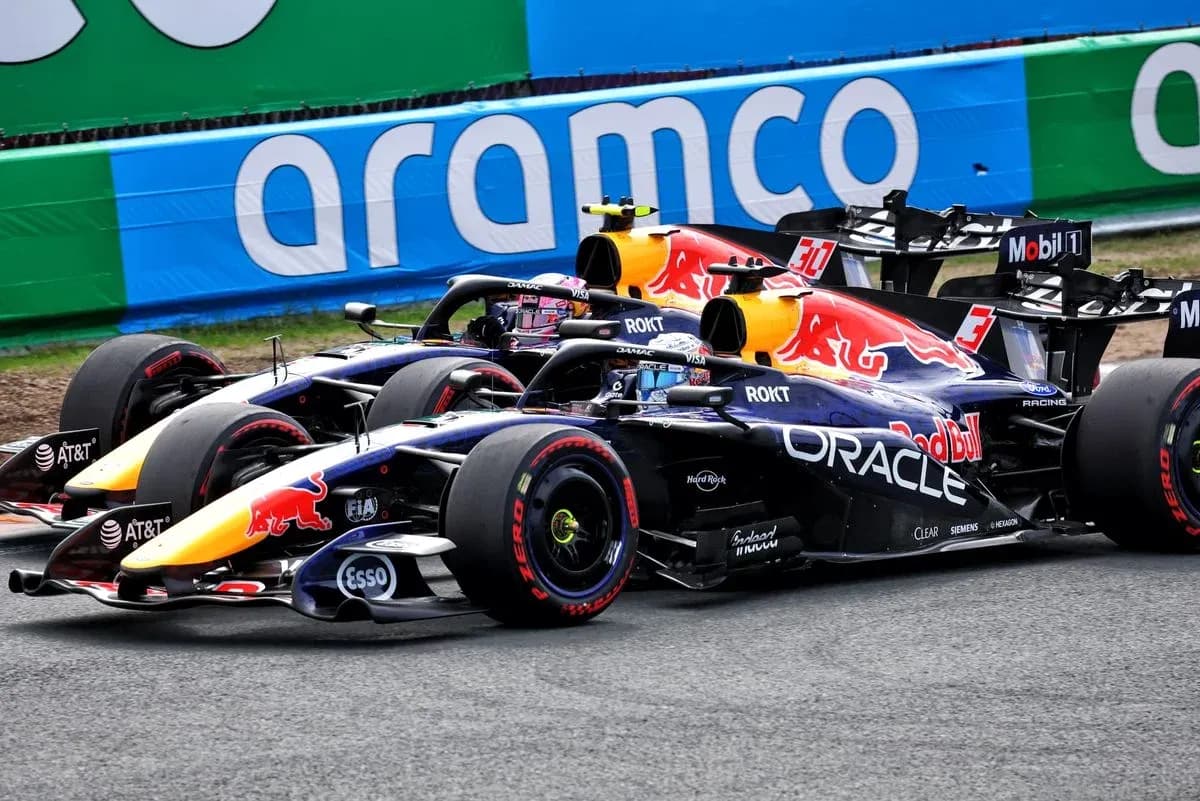
Polesitter Lando Norris lost control of the race not on track, but in the pits and under the timing screens. An ill-timed virtual safety car and a slow stop stripped Norris of his advantage, and Verstappen slipped into a position he knows better than anyone – track leader on a circuit where overtaking is almost impossible.
From there, he executed. He managed the pace, covered the line, and brought the car home in second, ahead of Norris.
But the result flattered the reality.
Speaking to Sky Sports afterwards, Verstappen cut through any illusions about Red Bull’s raw speed.
“It's just looking at the lap times, we are quite a bit down still,” he said. “It's a mix of a lot of things, for sure maybe a little bit of deployment, but also the car itself that we still need to improve on, because when Lando was behind me he was flying. He was a lot faster, but just because of the nature of the track he couldn't get by.”
That was the uncomfortable truth. Verstappen finished ahead of Norris because of circumstance and circuit layout, not because the RB is the faster machine. When Norris had clear air to attack, he looked like the man with the superior weapon.
A Champion in a Car That Won’t Follow
This is the tension at the heart of Steiner’s claim. Verstappen, still operating at a level few can touch, is wrestling a car that no longer obeys him the way it once did.
Mercedes and McLaren have muscled their way to the front of the development race. Red Bull, by contrast, are caught in the middle ground – not slow, but no longer the benchmark. Verstappen’s podiums are coming from execution, racecraft and opportunism, not from overwhelming pace.
Steiner’s view is ruthless: that combination won’t be enough to deliver a win over the course of a long season. Podiums, yes. Heroic damage limitation, certainly. But not the top step.
For a driver whose recent career has been built on relentless dominance, that is a jarring prediction.
The calendar, though, offers no sympathy. The 15th round of the 2026 season, the Azerbaijan Grand Prix, is locked in for 24–26 September at the Baku City Circuit – a street track that punishes weakness and rewards efficiency, strategy and straight-line speed.
If Red Bull cannot give Verstappen more than he has now, the question is no longer whether Steiner’s forecast is harsh.
It’s whether it might be right.