Vasseur Addresses Ferrari's Challenges with Hamilton and Leclerc
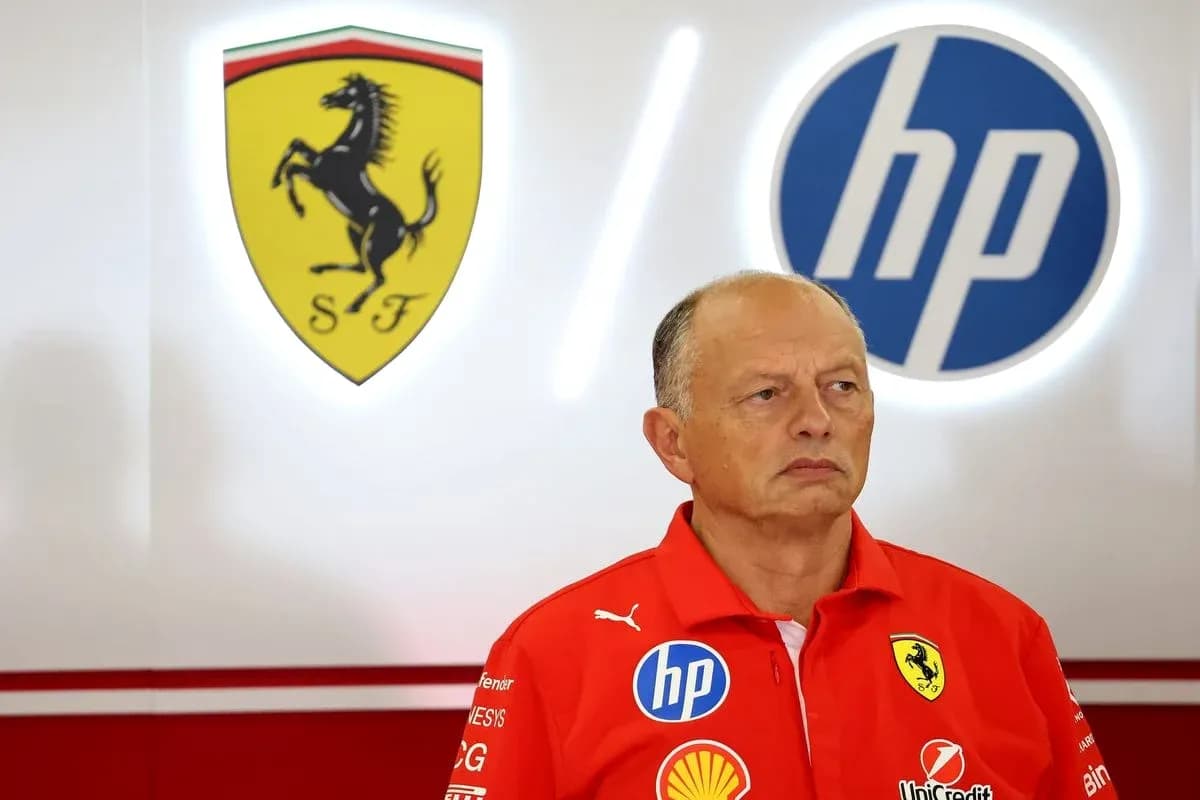
Fred Vasseur did not wait for the Brazilian sun to rise before tackling Ferrari’s biggest problem.
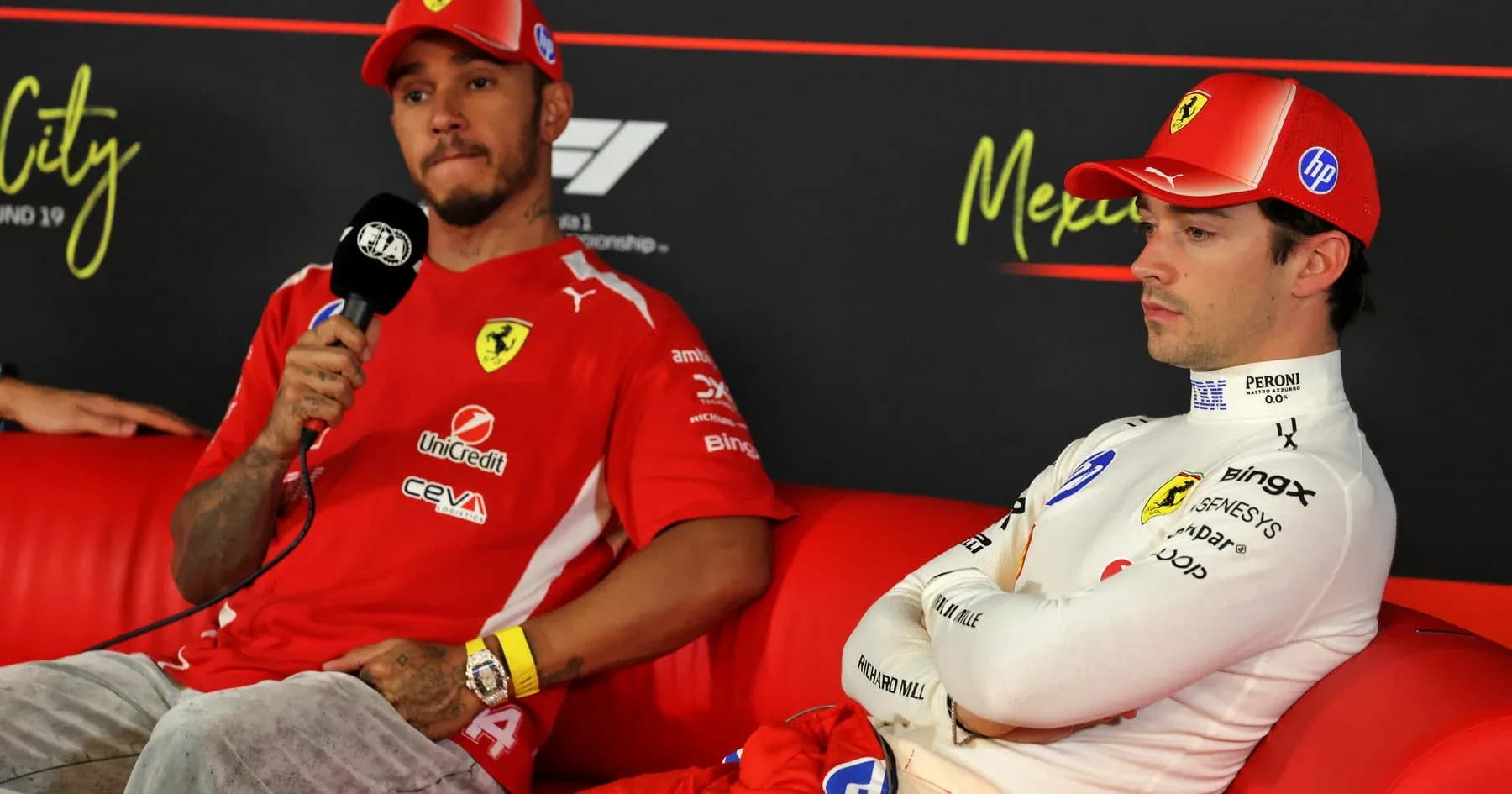
Fresh off a long-haul flight from Italy and with Charles Leclerc arriving from Monaco after the birth of his first child, the Ferrari team principal convened an unscheduled summit in a downtown São Paulo hotel. Lewis Hamilton joined them. No cameras. No PR gloss. Just three men and the fallout from a first-lap disaster in Mexico that turned a Ferrari 1–2 into a collective failure.
There, away from the paddock noise, Vasseur laid out his view of what went wrong and how it must change.
By the time he walked into the team principals’ press conference on Friday, the Frenchman had his public line ready. The details would stay locked in that hotel room.
“It went well,” he said, keeping his cards close. “It was good to discuss, good to clarify my position and their position. It was good to do. Now we turn the page and we are focused on the next one.”
The message, though, seeped through the gaps.
Same Rules, Sharper Reminder
Anyone expecting a dramatic reset of Ferrari’s internal rules would have been disappointed. Vasseur has never been a fan of micro-managing his drivers on track, and he is not about to start now.
The guidelines, as he calls them, remain unchanged. Hamilton and Leclerc will still be allowed to race hard.
“The guidelines are still the same,” Vasseur said. “I think they accumulated perhaps a bit of frustration because they are starting each weekend side by side and you have a kind of accumulation of facts. But at the end of the day, the guidelines are always the same.”
The difference now is emphasis.
Vasseur hammered one point repeatedly: the team comes first. Not the individual, not the ego, not the narrative. Mexico, in his eyes, was a collective failure because a front-row lockout did not become a victory.
“They are working for the team and the team has to come first,” he said. “In this situation, we failed collectively because we were 1-2 and we didn’t win the race in the end. It’s clear that we failed and we have to react.
“The conclusion of the meeting yesterday evening was clear. It was a clear reminder that Ferrari is coming first. It’s coming first for the brand, for the employees, for the tifosi and this we have to keep in mind.”
The freedom to race stays. The margin for selfishness shrinks.
Wolff’s Warning from the Past
On the front row of the press conference, Vasseur had a living case study of what can happen when two elite drivers collide too often: Toto Wolff.
The Mercedes boss listened, then cut in with a knowing smile. He has lived this before, with Hamilton and Nico Rosberg from 2014 to 2016, when internal warfare nearly tore Mercedes apart even as it dominated the sport.
Wolff did not miss the parallel.
“I think sometimes it needs the really tough ones, like the last one, to make a point,” he said. “It was always when I was there with Nico and Lewis, when there was an accident, it was understood that that was now the limit and it wouldn’t continue like this.
“That’s why maybe it needed to escalate to the point, because it’s a respect to the team and many, many thousand people, the brand, that work together and that’s what they need to keep in their heads.”
Back then, Wolff was relatively open about his hard line. He even said publicly at one stage that he would consider sacking a driver if they could not race cleanly.
Vasseur, by contrast, is choosing discretion.
“I’m not sure that Toto, 10 years ago, told you exactly the content of the discussion with Nico and Lewis and I will do exactly the same,” he replied, perhaps forgetting just how candid Wolff once was.
“We had a discussion. It has to stay private, it’s a matter of respect also for them and for the team. And once again the most important is the message.
“The message is that we are working for a brand, we are working for sponsors, we are working for, but I would say mainly also the employees of the team.”
The lesson from Mercedes is clear: let it run unchecked, and it can explode. Vasseur wants the fire without the firestorm.
Hamilton, Leclerc and the Edge of Rivalry
Publicly, Vasseur insisted there is no alarm over the relationship between Hamilton and Leclerc. Privately, his tone hinted at irritation over how forcefully Hamilton had spoken after Mexico, when the seven-time champion made it clear he “would not be silenced” on the incident.
Asked about those comments, Vasseur’s answer was short, pointed, and deliberately opaque.
“No, no – but this I was clear with Lewis and I will keep it between Lewis and me.”
He did not let Hamilton’s suggestion that Leclerc races him harder than anyone else go unchallenged either. For Vasseur, the idea that Leclerc reserves extra aggression only for his team-mate does not hold up.
“If you have a look at what Charles did in Austin in the first section, everybody said that it was magic and the line is fine between the two,” he said, referencing Leclerc’s bold opening moves on Max Verstappen.
In other words: Leclerc is aggressive with everyone. That is why he is in a Ferrari.
Vasseur is also realistic about what he has created. Put two elite drivers in equal machinery, start them side by side almost every Sunday, and do not expect them to behave like lifelong friends.
“I’m not asking them to be best friends,” he said. “I think it would be even probably a bit negative. I’m just asking them to act and to work as professionals and this is it.”
Professionalism, not friendship. Respect, not warmth. That is the line.
The Cost of a Superteam
The questions kept coming, and Vasseur kept circling back to the same central truth: this is the price of ambition.
Ferrari chose this. Hamilton and Leclerc in the same garage is a statement of intent. It is also a built-in risk.
“I think it’s probably the downside of the system is that we have two competitive guys starting each weekend next to each other,” he said.
But he knows the upside too. Ferrari sit P2 in the constructors’ championship, and Vasseur is in no doubt why.
“I think if we are P2 today, it’s also because we have two guys very, very close and we have to manage it.
“But it’s a choice, it’s a choice in the line-up and I have the positive and the negative. I will deal with the negative.”
That is the reality facing Ferrari now. The guidelines stay the same. The drivers stay unleashed. The team’s patience, though, has a clearer boundary.
The next time Hamilton and Leclerc barrel into Turn 1 side by side, we will find out whether that late-night meeting in São Paulo really changed anything – or simply marked the start of a much bigger storm.