Aichi-Nagoya Asian Games: India’s Ambitious Start Amidst Challenges
Nagoya opens its doors to Asia on Saturday night, not with the usual concrete sprawl of an athletes’ village, but with huts, a cruise ship, and a stubborn determination to stage a major Games without drowning in debt.
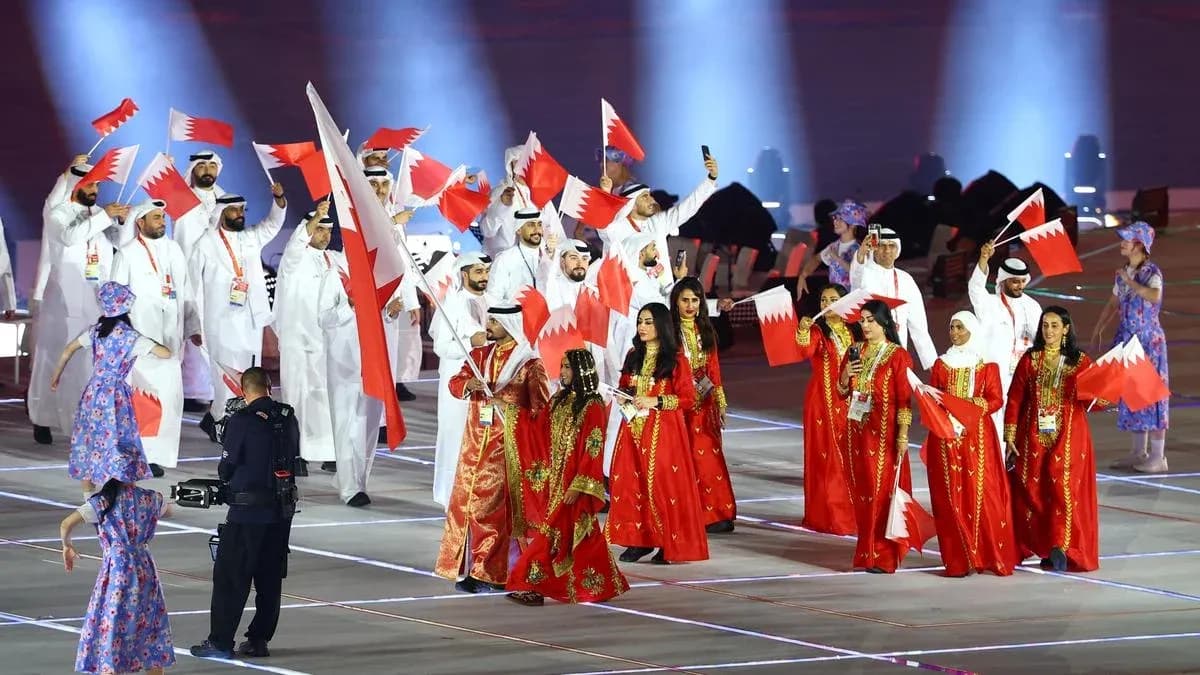
At the Paloma Mizuho Stadium, India’s flag bearers Manu Bhaker and Pawan Kumar strode in at the head of a leaner but more ambitious Indian contingent, almost 500-strong, as lights, dancers and fireworks tried to drown out the noise of a messy build-up.
A glittering start after a stuttering build-up
The Japanese national anthem rang out, the host’s flag climbed the mast, and the 20th Asian Games officially began in Aichi-Nagoya. Musician Taro Hakase’s performance set an elegant tone; boy band INI cranked up the volume, and waves of dancers filled the infield with colour and precision.
Behind the spectacle, the story has been far less polished.
Nagoya chose not to build a traditional athletes’ village. To cut costs, organisers turned to an improvised model: about 4,000 participants on the cruise liner Costa Serena docked in Nagoya’s port, another 2,000 in wooden huts, the rest scattered across hotels in the city and wider Aichi prefecture.
The result: more than 17,000 participants and a scramble for beds.
Some teams have bristled at cramped, shipping container-style huts and long travel times from hotels to training venues. Complaints over room quality have mingled with frustration at logistical missteps, feeding a narrative of a Games that stumbled to the start line.
Yet from within the Olympic movement, there has been praise. Olympic Council of Asia director general Husain Al-Musallam hailed Japan’s approach as a template for nations wary of the ballooning cost of mega-events, arguing that the huts-and-cruise-ship model offers a realistic way forward.
India improvises off the field, targets medals on it
India’s contingent has had to improvise too. With close to 500 athletes flying in and accommodation stretched, officials have already shifted some competitors from huts to hotels. They have also prepared a back-up plan that underlines the size and reach of the Indian diaspora in Japan.
“We have booked hotels for our athletes here,” said Sahdev Yadav, India’s chef de mission and treasurer of the Indian Olympic Association (IOA). “But if the hotel rooms fall short then yes, we have Indian households here on standby to accommodate the athletes. They are all more than happy to welcome the stars at their homes.”
The picture is one of a country trying to turn chaos into opportunity. At the previous Games in Hangzhou, India sent more than 650 athletes across 40 disciplines and came home with 106 medals, finishing fourth behind China, Japan and South Korea. This time, rationalisation has trimmed the numbers, cutting back on entries made for perks rather than podiums.
The ambition, though, remains bold. Indian sports authorities still talk of touching the 100-medal mark again, banking on a sharper athlete-to-medal ratio rather than sheer volume.
Stars, setbacks and shifting roles
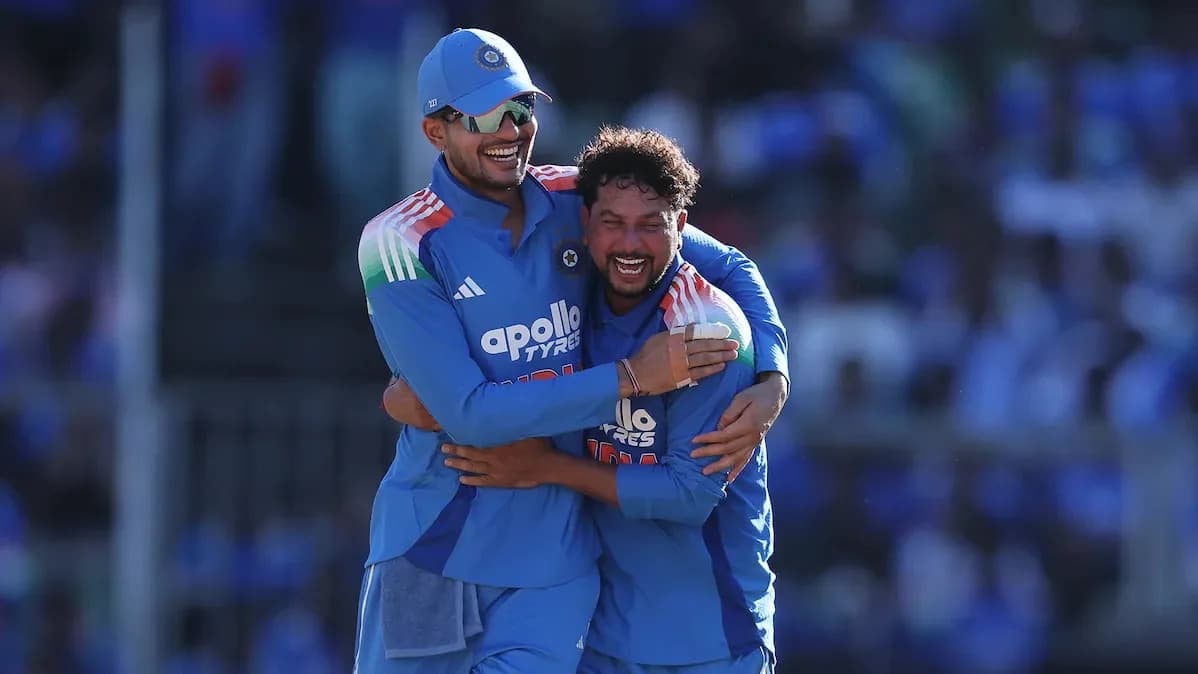
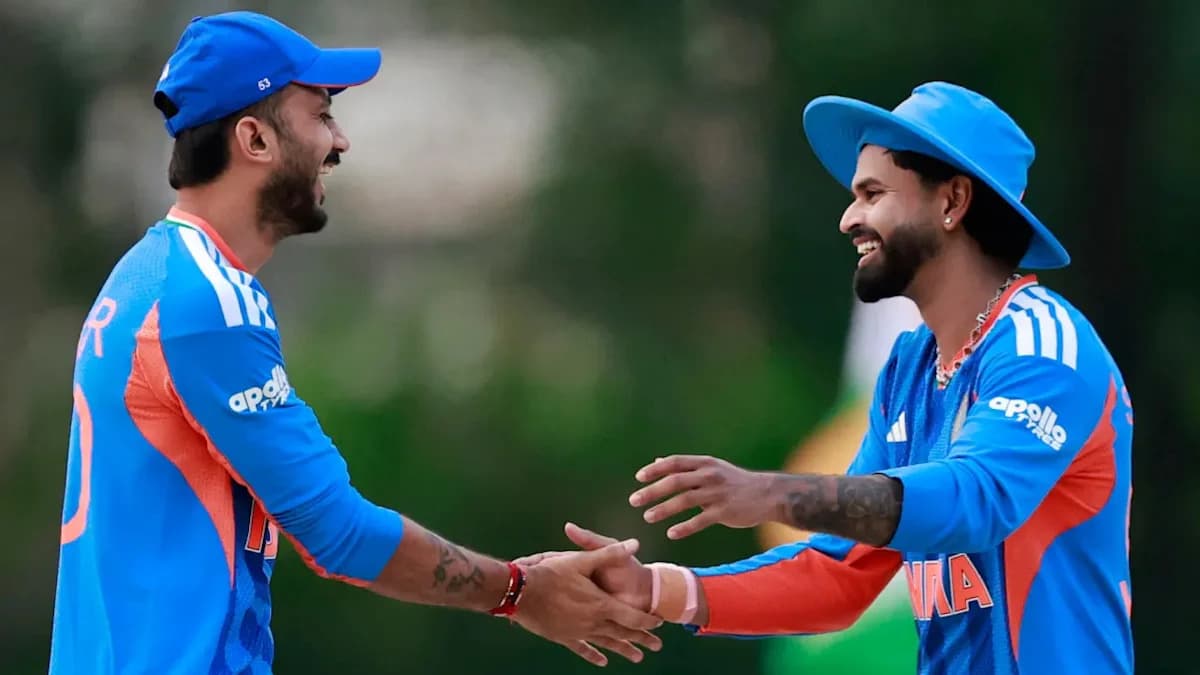
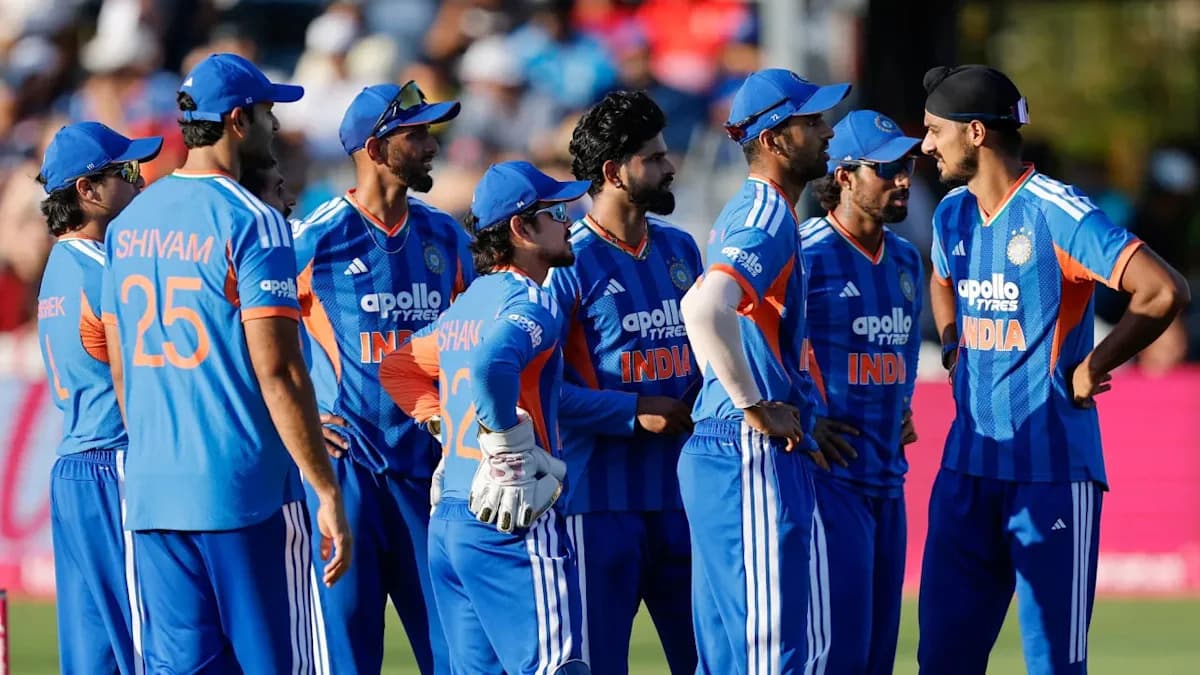
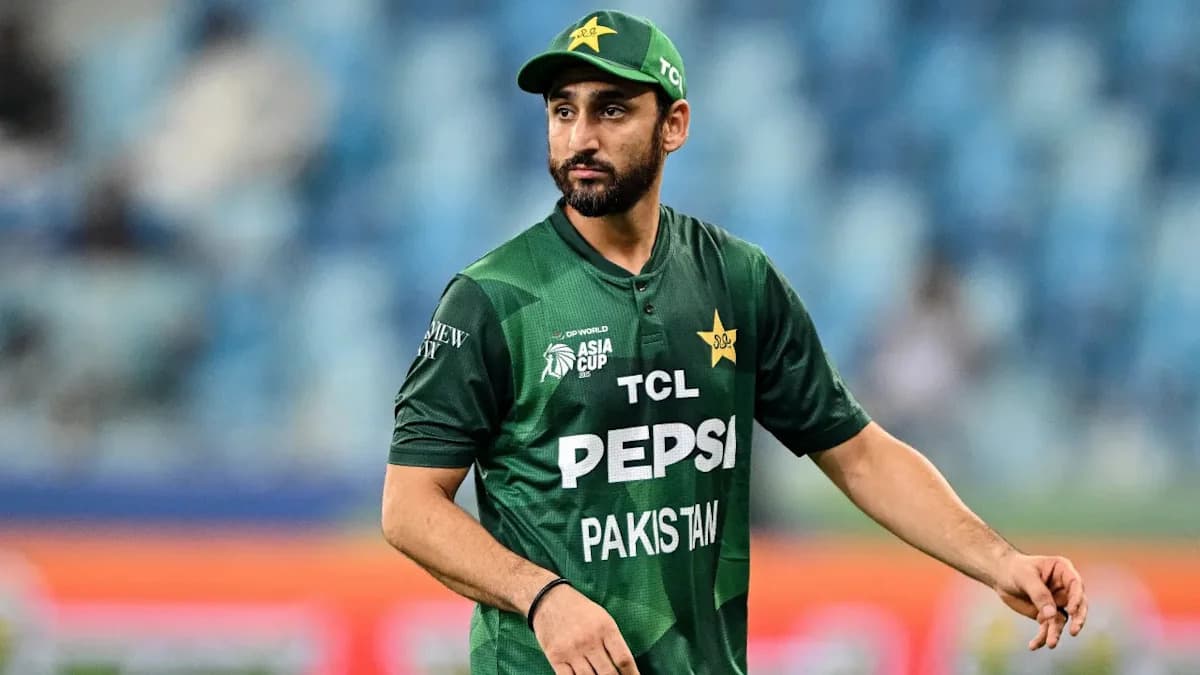
The Indian camp has not been immune to last-minute hiccups. The men’s cricket team, defending champions in both men’s and women’s events, has been grappling with something as basic as kit sizes, waiting on properly fitted jerseys even as their departure looms in the early hours of Sunday. The Board of Control for Cricket in India has also arranged its own accommodation, operating slightly outside the main Games ecosystem.
Even the ceremonial front had to be reshuffled. Seasoned kabaddi star Pawan Sehrawat stepped in as India’s flag-bearer for the opening ceremony after celebrated shot-putter Tajinderpal Singh Toor was ruled out of the role for a mundane but decisive reason: his ceremonial kit was not in his luggage, preventing him from attending the gala.
On the other side of the village, shooting ace Manu Bhaker has tried to shift the mood. With social media awash with videos and photos of cramped rooms, long commutes and organisational glitches, she issued a clear call to teammates in a video shared by the IOA.
“To all my fellow athletes from India, we will have some issues,” she said, acknowledging the problems without dwelling on them. “Regardless of whatever the issues we have, this is probably once in a lifetime opportunity and experience. We have to make sure that we enjoy the time rather than complaining.”
It was as much a psychological reset as a plea, an attempt to drag the conversation back to sport.
New sports, old ambitions
On the field of play, the Aichi-Nagoya Games promise a very different flavour. Six new sports make their debut, including teqball and virtual taekwondo, signalling a push towards younger audiences and more dynamic formats.
India has already found itself on the edge of history in one of those new arenas. Quimcy Dsouza reached the teqball women’s singles semifinals, guaranteeing a shot at what could become India’s first-ever medal in the sport. She came agonisingly close to the final, only to be overhauled by Indonesia’s Sumaya in a gruelling three-game contest. The loss stung, but Dsouza now turns to a bronze-medal match with a place in the record books still within reach.
Elsewhere, the focus sharpens on established names. PV Sindhu, Mirabai Chanu and Manu Bhaker headline a group of Indian athletes expected to anchor the medal drive. India will defend both men’s and women’s titles in cricket and kabaddi, while the men’s hockey team also arrives as reigning champions, tasked with protecting their crown in a sport that still shapes the country’s Olympic identity.
Prannoy’s last dance – or one more act?
For veteran shuttler H.S. Prannoy, Aichi-Nagoya carries a different kind of weight. The 34-year-old has admitted this Asian Games is most likely his last. The grind of elite badminton, the demands of recovery, the rise of younger rivals – all of it has pushed him towards the edge of his continental journey.
Yet he has left one door ajar. Prannoy plans to give himself another year before deciding whether he has enough left to mount a realistic push for the 2028 Los Angeles Olympics. Nagoya may be a farewell to the Asian Games stage, but not necessarily to the sport’s biggest platform.
A long fortnight ahead
The first gold medal of these Games will be awarded on Sunday morning, most likely in the men’s individual triathlon. From there, a flood: 468 more golds across more than 40 sports before the curtain falls on October 4.
India’s delegation is smaller, the logistics rougher, the margins tighter. Yet the expectations are heavier than ever. A country that once counted Asian Games medals in single digits now talks openly of triple figures and improved efficiency.
The stage is set in a city juggling cruise ships, wooden huts and hotel blocks. The question now is whether India’s athletes can cut through the clutter, shut out the noise, and turn a stuttering build-up into a defining statement of intent on the continental stage.