Australia Dominates England as Beardman's Dream Debut Shines
Australia 132-3 (23.3 overs) beat England 131 (33.4) by seven wickets
Series: Australia lead 1-0
The sandpaper storm raged off the field. On it, England disintegrated.
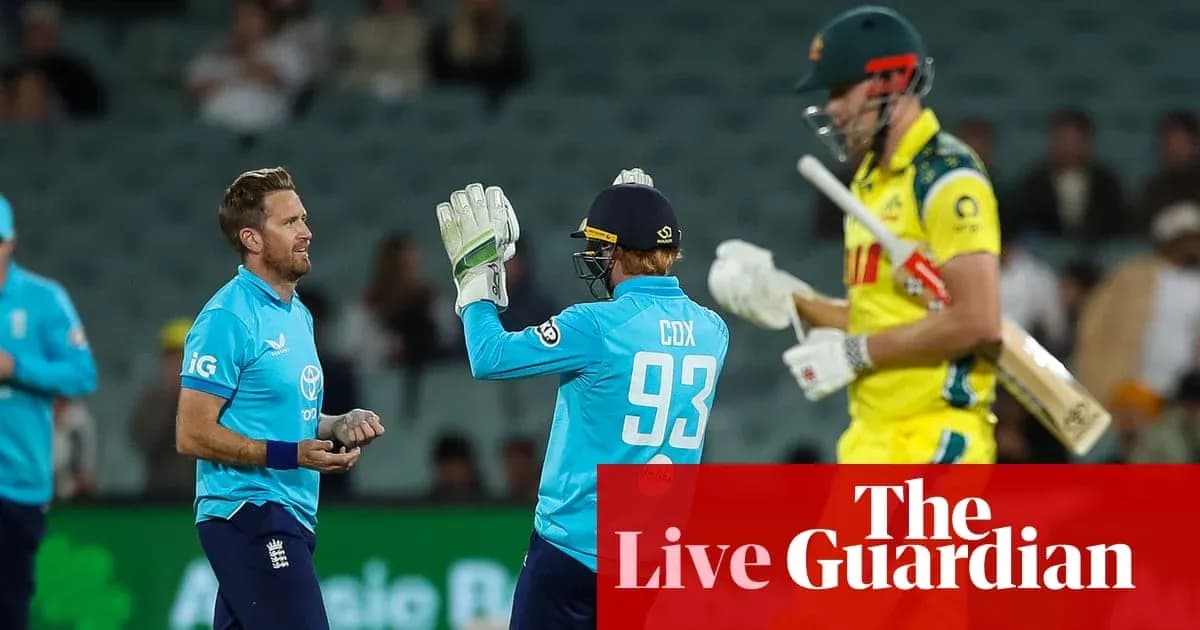
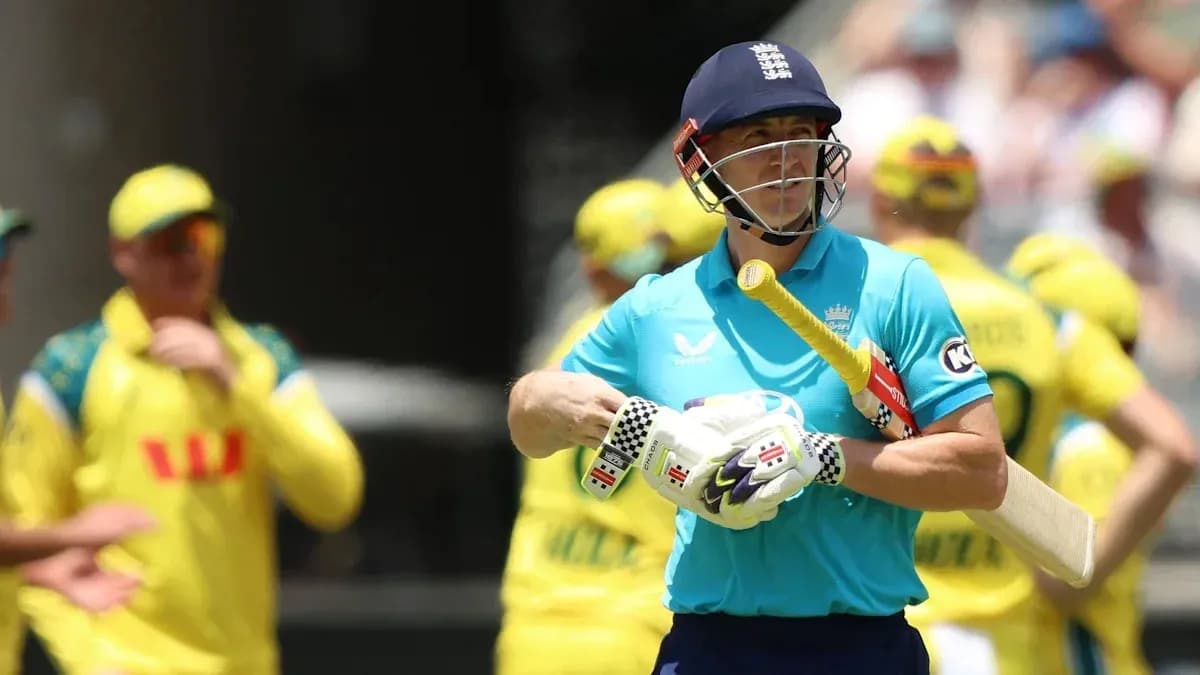
On a hard, familiar Perth surface that offered pace, bounce and the chance to land a few psychological blows of their own, Harry Brook’s side folded for 131 and handed Australia a seven-wicket win with 26.3 overs unused. Any opportunity to deepen the discomfort around the latest ball-tampering fallout vanished with a string of loose drives and nervous prods.
The day belonged instead to a 21-year-old quick on debut.
Beardman rips through England
Mahli Beardman was supposed to be part of the supporting cast. Rested in this series are Pat Cummins, Mitchell Starc and Josh Hazlewood – the senior trio whose role in Cape Town has been dragged back into the headlines by Usman Khawaja’s new book. Beardman walked into that space and lit it up.
His first international wicket came in his second over, Harry Brook fenced behind to a ball that demanded a decision and punished the slightest hesitation. It set the tone. Beardman hit the pitch hard, hovered around 90mph, and never let England settle.
Joe Root, England’s ballast in this format for a decade, was his second ODI victim, edging a driving-length ball for 17. Before that and after it, the debutant ran through the order with ruthless clarity: Tom Banton for 25, Jordan Cox for two, Sam Curran for a seven-ball duck, and later Liam Dawson. Five wickets in his opening spell, 5-18 in five overs, on ODI debut in Perth. He finished with 6-24, the best figures by an Australian first-timer in this format.
England helped him. They always seem to here.
Perth ghosts return
A year on from that calamitous Ashes start in this city, the dismissals felt like a replay. Different shirts, same mistakes.
Back then, with barely any preparation, England’s batters drove on the up, played away from their bodies and paid the price. This time they arrived with a proper build-up. The shot selection suggested they had learned little.
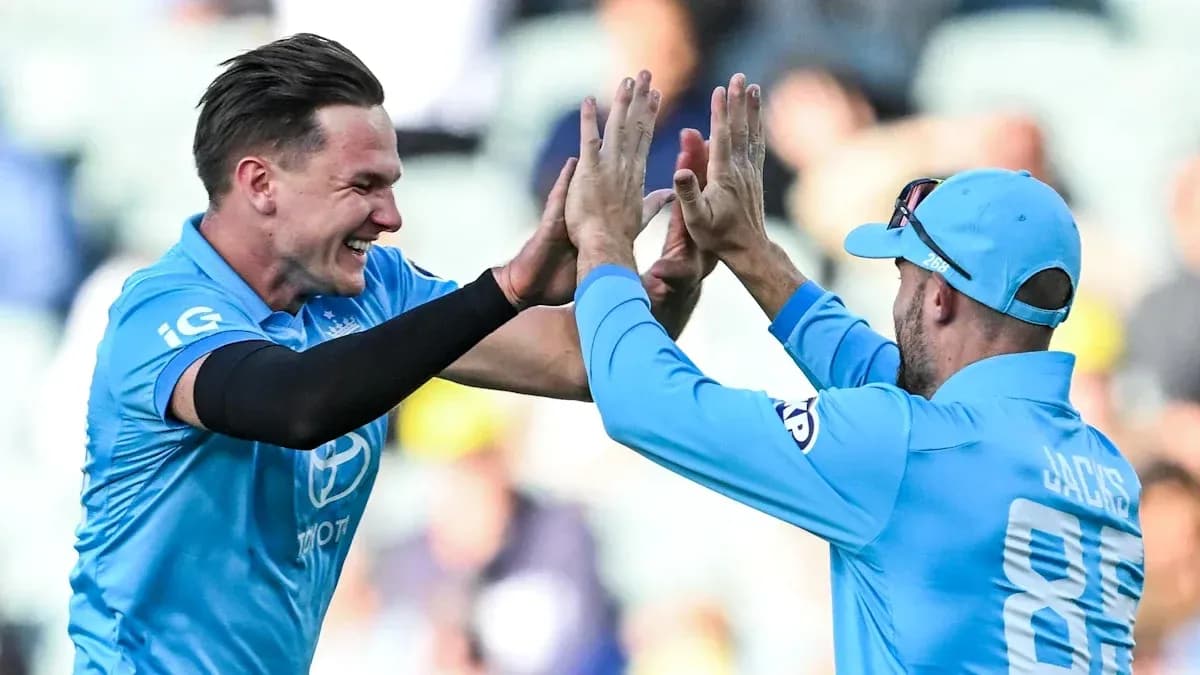
Banton, opening, planted his feet and threw his hands at Spencer Johnson, thick-edging a drive. Ben Duckett sliced the left-armer to backward point. Root’s edge came from a ball he could have left. Cox nicked off from the crease, tentative and trapped between options.
Curran’s long-running problem with the short ball flared again. Beardman banged one in, Curran went for the hook, and the top edge sailed to fine leg. Seven balls, no runs, plenty of evidence for every analyst in world cricket.
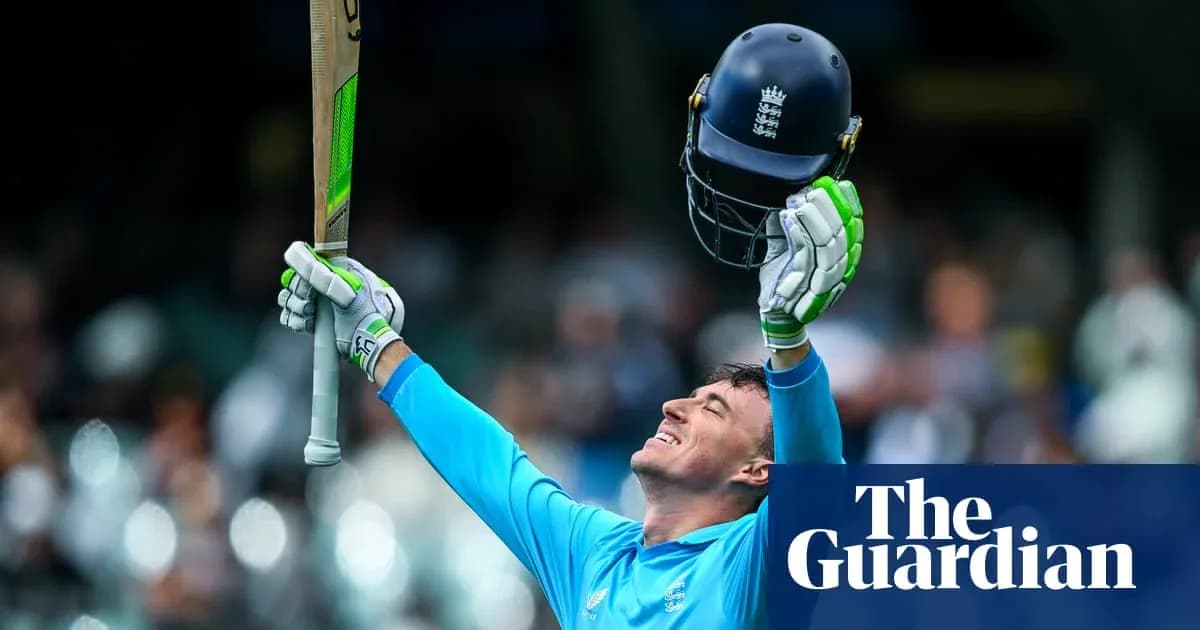
From 65-8, the innings threatened to become truly humiliating. Will Jacks countered briefly with 25, the only hint of resistance in the top eight. Gus Atkinson, at No 10, struck the only six of the innings in an unbeaten 29 that at least dragged England past 130. They were still all out inside 34 overs.
Since Brendon McCullum took charge, England have been bowled out 15 times in 29 ODIs, 11 of those collapses coming when batting first. The mantra has shifted from blind aggression to something more nuanced, but the basic errors remain.
Former captain Michael Vaughan, watching on, cut to the heart of it: the intent may be more measured, the execution is not.
Australia find a new spearhead
Beardman was not alone in tormenting England. Xavier Bartlett, 27, probed with the new ball and found movement, while Johnson, the left-armer, added the wickets of Jamie Overton and Jacks after removing Duckett. Australia’s attack, shorn of its three modern greats, never looked underpowered.
For Beardman, whose young career has already been interrupted by back injuries, this felt like a statement. He used the life in the pitch intelligently, mixing full lengths that drew the drive with sharp short balls that hurried the batters. Line, length, hostility – the basics, done at high speed.
On a day when the conversation in Australia should have been about ball tampering and fractured dressing-room politics, a rookie fast bowler gave the home crowd something far more enjoyable to talk about.
Marsh finishes the job
If England had any hope, it lay in early wickets. They got one. Travis Head, the man who shredded them in Perth in last year’s Ashes, dragged on first ball. A tiny crack of light.
It closed quickly.
Mitchell Marsh, captaining and under scrutiny after repeatedly swerving sandpaper questions in his pre-match press conference, responded in the most straightforward way he knows: by hitting the ball very hard. On his home ground, he looked utterly at ease while England’s batters had looked permanently rushed.
Marsh’s 29-ball fifty was brutal and efficient. Four sixes, all clubbed over the leg side, all reminders that on this pitch you can score quickly once you’ve earned the right to do so. Where England had pushed at length balls without adjusting to the bounce, Marsh rode it, waited for his moment and cashed in.
Cooper Connolly added a composed 27, and although Marsh and Connolly both fell with the target in sight, there was no jeopardy. Josh Inglis and Matthew Renshaw eased to the line, unhurried, untroubled. Only twice before had Australia beaten England in an ODI with so many balls left unused.
Former all-rounder Tom Moody summed up the gulf. On a surface with extra pace and bounce, batters must invest early, respect the conditions, then expand. England never made that adjustment. Australia did, and barely broke sweat.
England already under pressure
The scoreline says seven wickets. The manner of it says more.
England arrived in Australia on the back of damaging defeats in a tri-series against Pakistan and Sri Lanka. This was supposed to be a step towards next year’s World Cup, a chance to refine plans and harden habits. Instead, it looked like a relapse.
Shot selection, adaptability, game awareness – all the questions that dogged their 50-over cricket over the past 18 months resurfaced in one messy afternoon.
The second ODI comes quickly, on Sunday in Adelaide. England need more than a response. They need evidence that this was an aberration, not a blueprint for their year.
Australia, for all the noise around them, have found a new fast-bowling name to throw into an already crowded conversation. Beardman has kicked down the door.
England, staring at another long tour with more questions than answers, must decide how many more times they can afford to walk out in conditions like these and make the same mistakes.