Australia Escapes to Victory in ODI Against Zimbabwe
Josh Inglis walked off Harare Sports Club with grass stains on his knees, sweat on his collar and a second ODI hundred to his name. Australia walked off with something even more valuable: a scarred but successful dress rehearsal for a World Cup defence in African conditions.
This was no procession. It was a one-wicket escape with a ball to spare, a chase that veered from comfortable to chaotic before Nathan Ellis and Spencer Johnson dragged it back from the brink to seal a 3-0 sweep over Zimbabwe.
Inglis steadies, then ignites
Australia’s reply to Zimbabwe’s 271 never quite settled. The tourists were always in touch with the rate, but never in control of the game.
Travis Head went for 6. Mitchell Marsh followed for 8. Two early jolts, and the tone was set: this was going to be a scrap, not a stroll.
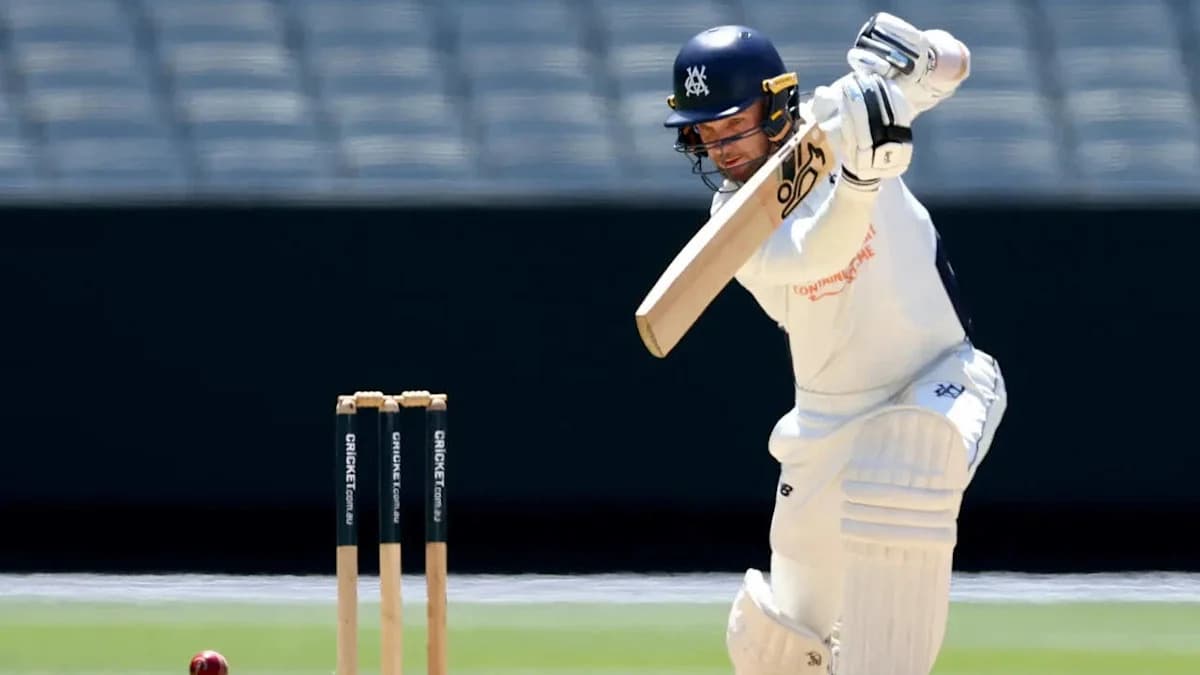
Inglis took the fight on. His 103 from 102 balls was a proper one-day innings, built on clean timing rather than slogging. Eleven times he pierced the field for four, picking gaps, riding the tempo, refusing to let Zimbabwe’s bowlers build any real squeeze.
Around him, though, the innings frayed. Wickets fell just often enough to keep the home crowd interested and the Australian dressing room restless. The platform never quite became a launchpad.
When Inglis finally departed, Australia still needed cool heads. They found one in a man picked primarily for his bowling.
Ellis survives, then punishes
Ellis arrived with the game tipping Zimbabwe’s way. He left it having dragged Australia over the line and left the hosts wondering how they let it slip.
His 36 from 44 balls was not flashy. It was stubborn, measured, and laced with just enough daring when it mattered most.
The turning point came in the penultimate over. Wessly Madhevere put down a chance that should have ended Ellis’ stay and, almost certainly, the contest. Zimbabwe had their moment. They let it go.
The punishment was swift. Needing nine from the final over, Ellis launched the first ball from Madhevere for six, ripping the tension out of the equation. From there, he and number 11 Spencer Johnson – who faced 13 balls for his seven – steered Australia to the target with one delivery left in the day.
It was harsh on Zimbabwe. It was exactly the sort of hardened experience Australia wanted.
Raza leads, but chance slips away
Earlier, Zimbabwe had done so much right.
Asked to set a score, they built their innings around their captain. Sikandar Raza, as so often, was the heartbeat: an unbeaten 81 from 72 balls, busy and inventive, ensuring the hosts finished with something to bowl at.
Craig Ervine’s 59 from 79 balls and Innocent Kaia’s 55 from 66 laid the groundwork. They gave Raza the platform to accelerate, and he obliged.
Australia’s attack, missing several frontline names, leaned heavily on Ellis. He responded with 3-50 from his 10 overs, the best of the visiting bowlers on the day and the man who would later decide it with the bat as well.
Zimbabwe’s bowlers then fought to the last. Brad Evans led them superbly, his 4-47 from 10 overs tearing through Australia’s middle order and repeatedly dragging the chase back into the balance.
Raza, looking at the numbers, knew they had been just short but not by much. He judged 280-290 as par. To take the game to the final ball with 272 on the board was a statement of effort, if not yet of finishing power.
Lessons for a World Cup defence
For Australia, this tour was never just about a 3-0 scoreline. It was about what comes next.
They rested several regulars. They asked fringe players and emerging quicks to carry the load. They got the clean sweep, but more importantly, they got a pressure scenario that statistics alone cannot manufacture.
Inglis, reflecting on the run-a-ball finish, saw value that stretches beyond Harare.
“We’re going to get in those situations again,” he said. For him, for Ellis, for Johnson, this was a reference point filed away with a World Cup 12 months out and the bulk of that tournament to be played in South Africa, with games also in Zimbabwe and Namibia.
Marsh, captaining this group, did not hide from the fact that Australia “got lucky” on the day. He also didn’t apologise for it. Luck tends to find teams that keep coming.
“We’ve got some young talent, which is exciting for the future,” he said. Performances like Ellis’ with ball and bat, and Inglis’ authority at No. 3, underline exactly what he meant.
South Africa next – and old ghosts in the stands
Now the stakes rise. Pat Cummins and Mitchell Starc are expected to join for the ODI leg in South Africa, beginning in Durban on Thursday. Three ODIs, then three Tests in Durban, Gqeberha and Cape Town.
Australia have not toured South Africa for Tests since the 2018 ball-tampering scandal. The scars from that series have faded, but the memory in the stands will not have disappeared. Inglis insisted the players have been locked in on Zimbabwe, not on what awaits them over the border.
What does await them is a “trial run”, as he put it, for the World Cup: different pitches, new combinations, and a chance to harden a squad that now knows how it feels to win with one wicket in hand and the game on the line.
The series win in Harare will not define Australia’s title defence. It might, though, prove to be one of those days they look back on in 12 months’ time and say: that’s where the nerves were tested, and that’s where we learned how to hold them.