Australia's Sandpaper Scandal Resurfaces
Nasser Hussain did not bother dressing it up. “I think it’s a complete mess,” he said – and Australian cricket is back in the dock all over again.
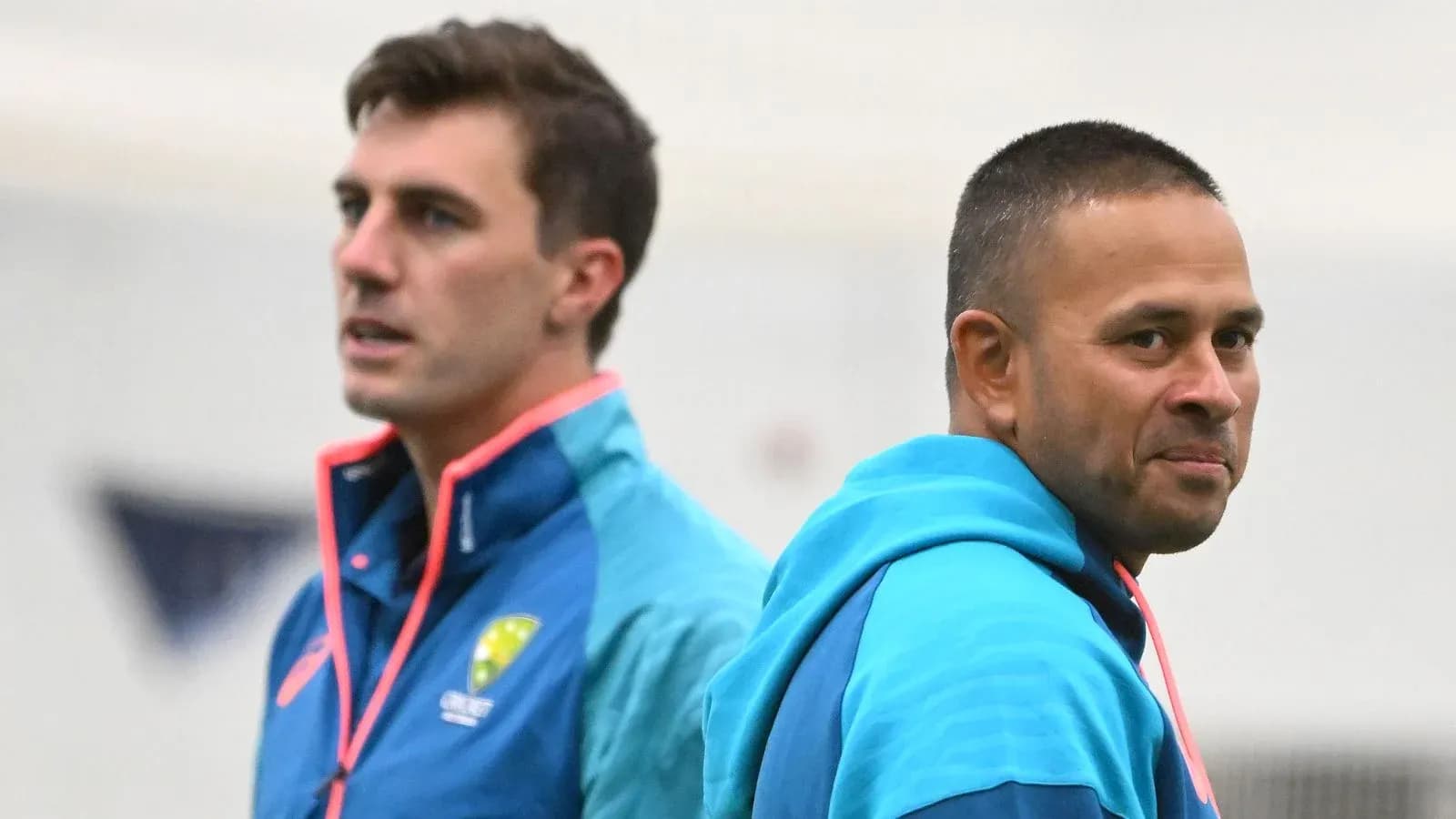
Six years on from the infamous Cape Town Test, ‘Sandpapergate’ refuses to die. Usman Khawaja’s new book has dragged the scandal out of the archives and straight into the present, reopening wounds Cricket Australia had tried to stitch shut and move on from.
A scandal that never really left
The bare bones of the story are well known. In March 2018 at Newlands, Cameron Bancroft was caught on camera trying to rough up the ball with sandpaper to generate reverse swing. The fallout was instant and brutal: Bancroft banned for nine months, captain Steve Smith and vice-captain David Warner suspended for a year and branded the ringleaders.
Now Khawaja, who played in that Test and sat next to Bancroft in the dressing room, has gone further. In his book, he claims the entire team knew about the scheme, not just the three men who carried the can. He says he was never interviewed by Cricket Australia at the time and that he urged the side to come clean collectively, only to be talked out of it by Smith.
Those claims have lit the fuse again.
Speaking on the Sky Sports Cricket Podcast, Hussain laid into the original handling of the affair and the culture that allowed it to happen.
“For the history of the game, people have been trying to work out what to do with cricket balls to make it swing more,” he said, listing mints, sweets, throwing the ball into the ground, Vaseline, dirt in the pocket. That grey area has always existed.
Sandpaper was different. It was brazen, premeditated and, in Hussain’s eyes, inexplicable.
“How a side thought it was okay to take sandpaper out, how no one before that in a meeting went, ‘I don’t think this is okay, I don’t think we’re doing the right thing’, how they thought they were going to get away with it with all the cameras around, I don’t know.
“Then to lie about it after and for Cricket Australia not to speak to every player, not to speak to Khawaja who was sitting next to Bancroft. It just feels like a right mess.”
The myth of the Baggy Green – mateship, shared sacrifice, that hard-edged but united dressing room – lies at the heart of his frustration.
“The team, the baggy green, the mateship and all that stuff – that was what playing Australia was like,” he said. “So for an Australian team to say, ‘no, it’s just those three’ when it was never going to be just those three [is surprising].”
Atherton: heavy bans, unanswered questions
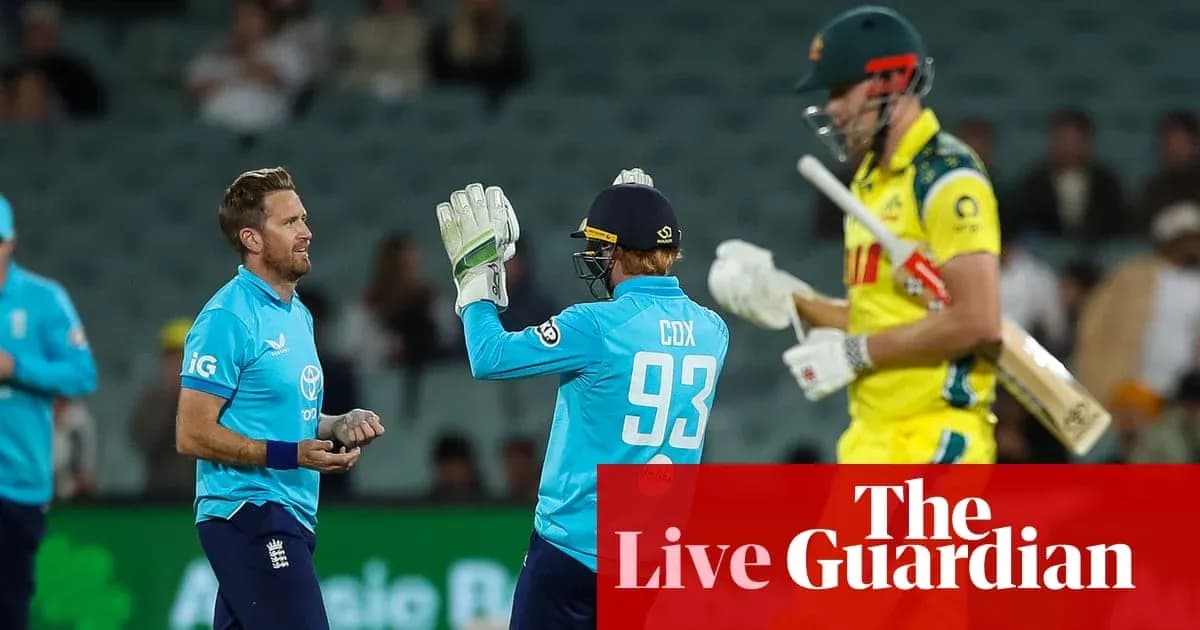
Michael Atherton is in Australia ahead of England’s white-ball tour, and he will walk into the eye of the storm on Thursday. Australia’s white-ball captain Mitchell Marsh, the only member of that Newlands XI in the current ODI squad, is due to face what Atherton expects to be a “circus” of a press conference before the first ODI in Perth on Friday.
Pat Cummins, Josh Hazlewood and Mitchell Starc – all part of that 2018 side and all of whom released a joint statement with Nathan Lyon in 2021 denying prior knowledge of the plot – have been rested. The timing only sharpens the focus on Marsh.
From Atherton’s perspective, the roots of the current mess lie in Cricket Australia’s response eight years ago.
“It was almost like the sandpaper was the straw that broke the camel’s back,” he said. The team, as Khawaja also describes in his book, had become “slightly out of control, a bit unlikable and with a kind of win-at-all-costs mentality.”
The governing body reacted with fury. Smith and Warner received what Atherton calls “unbelievably heavy sanctions – I thought hard-to-justify sanctions” – but the blame stopped with three men.
“Then it was the worst of both worlds,” he said. “They handed down unbelievably heavy sanctions and left three players to take the rap. But it left questions unanswered, left the door open for it to come back to haunt them, which it is doing now.”
Atherton does not believe a fresh investigation is necessary, yet he recognises why the story still grips the Australian public. It is not just about sandpaper. It is about trust.
“I do think the particular point about not having people’s backs is the thing causing the most disquiet and will rumble on for a while yet,” he said.
There is also fatigue. “It was eight years ago and there will be a weariness around the story eventually, because it’s all over every newspaper, podcast, whatever.” But the sense that some players were abandoned while others were protected has not gone away.
Cracks on the field, pressure off it
All this lands at a delicate moment for the current Australia side.
On the field, they have just lost 2-1 in South Africa in their first Test series there since the scandal. Marnus Labuschagne, once a cornerstone of their batting, has been dropped for the upcoming home series against New Zealand after a prolonged slump.
Off the field, the calendar is unforgiving. After facing New Zealand, Australia are staring at a five-Test tour of India, a day-night 150th anniversary Test against England in Melbourne in March, and then an away Ashes series in June and July. It is a schedule designed to expose weaknesses.
Atherton senses vulnerability.
“The schedule is brutal and unforgiving and already there’s cracks in that team,” he said. “It doesn’t feel as though the team is robust enough to get through this period.
“This [the ball-tampering claims] is adding a little bit more fuel to the fire.”
So the circus rolls into Perth, with Marsh front and centre, Khawaja’s words echoing, and the ghosts of Newlands still wandering through every press conference.
Australia thought they had served their time. The question now is whether this era of the Baggy Green can withstand another long trial in the court of public opinion.