Babar Azam's Struggles and Razaullah's Rise at Edgbaston
It was still morning when Babar Azam walked out at Edgbaston, but the day already felt old for Pakistan. The Test was 45 minutes in and listing badly: three wickets down, 17 on the board, floodlights burning into a grey sky that looked ready to cave in. A smear of black cloud dragged itself over the ground. Flecks of rain hung in the air. Ollie Robinson probed away with the keeper standing up and five slips fanned out behind. From the other end, Jofra Archer was four overs into his work, loosening, quickening.
It was a miserable time to bat.
Lately, it always seems to be.
Not long ago, Babar stood among the very best in the world. In 2022 he played with the certainty of a man who knew it. A year of heavyweight scores: 196 against Australia in Karachi, 119 against Sri Lanka in Galle, 136 against England in Rawalpindi, 161 against New Zealand back in Karachi. He closed that year with a Test average of 49, ranked third in the world, crowned ICC Men’s Cricketer of the Year.
Since then, the runs have drained away. No Test hundred. Twenty Tests, a top score of 88, an average of 29. The numbers tell one story. The mood tells another.
If you closed your eyes, you could still picture the old version of him, the one who would soak up mornings like this, ease the ball into gaps, bleed the venom out of a spell, and guide a broken dressing room through the storm. You could almost convince yourself that this was about to be one of those days.
Then you opened them again.
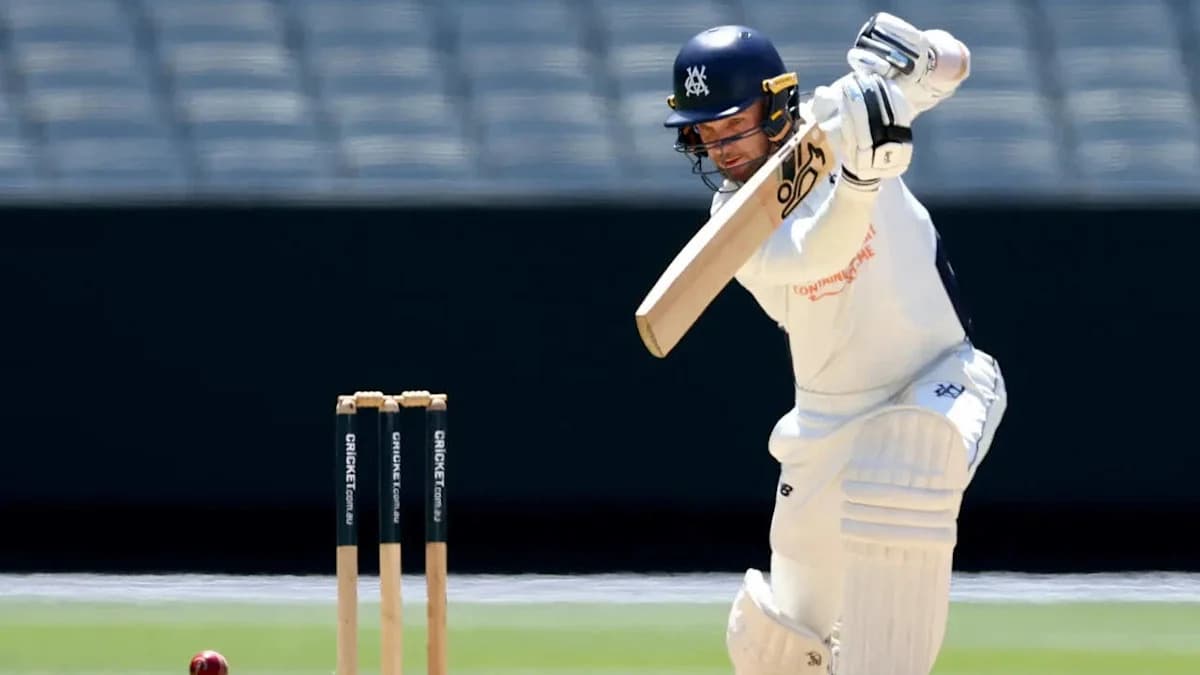
Babar took guard for Robinson’s first ball and looked caught between instincts. Half-committed, half-withdrawn, he dragged the bat inside the line at the last instant. The next delivery beat the outside edge. The third he clipped neatly through square leg for a couple, a brief echo of the player he used to be.
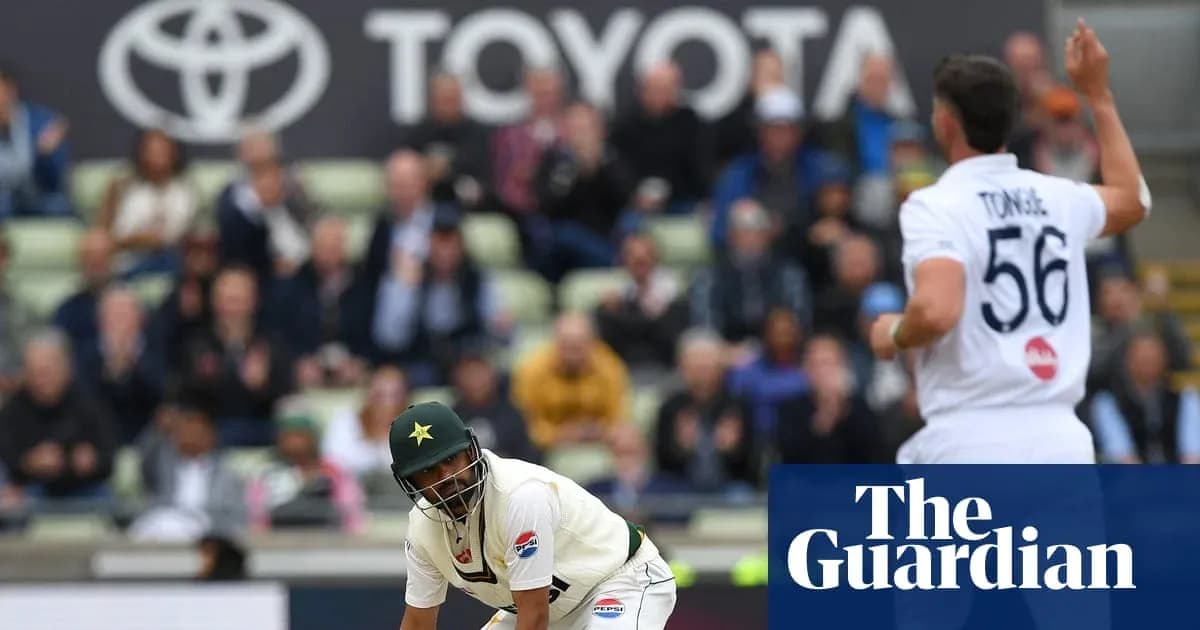
The reprieve didn’t last. Archer banged one in short and Babar slashed at it, all hands and no control, missing entirely. Then came Gus Atkinson, hurrying him twice, finding movement, forcing a thick edge that squirted away for four. By the fourth over of his stay, Josh Tongue speared one through him, the stumps rattling, Babar gone for 7 from 18 balls.
It felt inevitable. That was the grim part.
Pakistan’s scores in the series read like a slow-motion collapse: 171, 135, 110, 194 and now 133. One more cheap dismissal in the second innings and they will become the first side since the 19th century to be bowled out for under 200 in every innings of a three-Test series in England. This is a team running on fumes, a structure creaking under its own confusion. Leading them is close to an impossible job.
Babar, notionally part of the selection panel, admitted he had no idea seven new players were being flown in for this Test.
“It was news to me,” he said. “I found out after.”
From that late batch of arrivals came the one player who changed the temperature of the day.
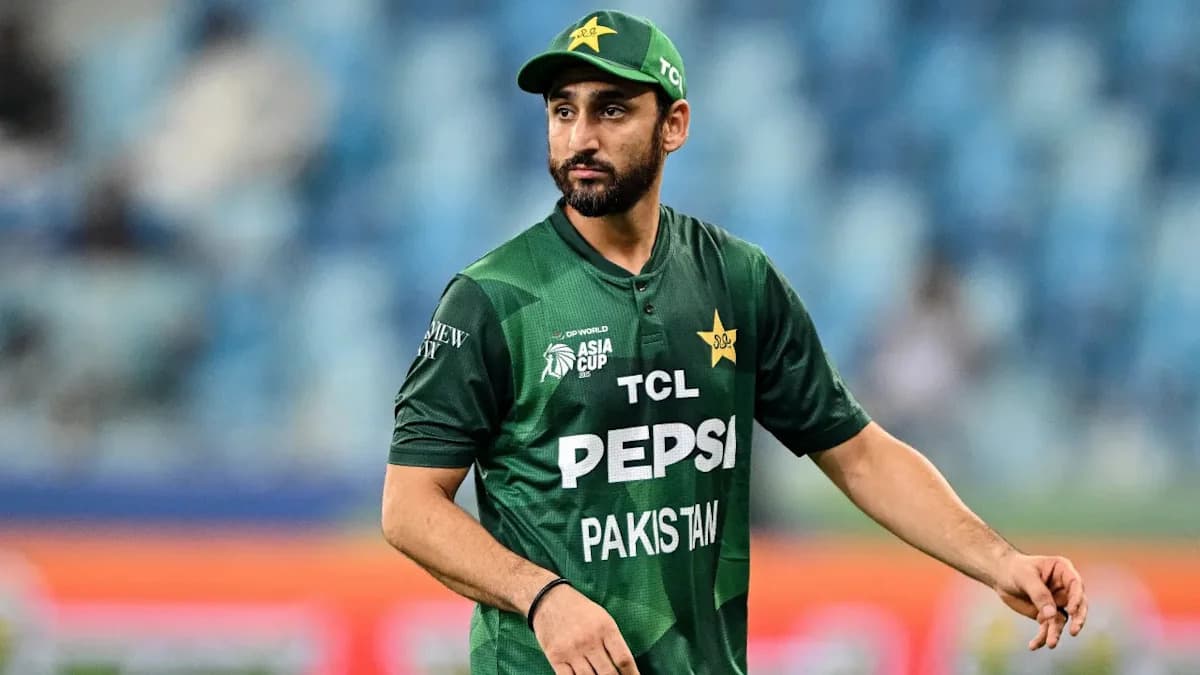
Razaullah, 21 years old and barely out of domestic obscurity, took the ball first change from the City End. His name prompted double-takes on the scoreboard. To know much about him, you needed to follow Pakistan’s domestic game with near-religious attention. He only made his first-class debut for Peshawar in the Quaid-e-Azam Trophy last November. Seven first-class matches, nine List A games, seven T20s. That was the sum of his experience before he boarded a plane for this single Test.
Within a few deliveries, everyone inside Edgbaston knew who he was.
The first thing he revealed was that he can hit the ball hard. The second, that he is seriously quick. The third, that there is real craft wrapped around that pace. His opening over to Joe Root crackled. The first three balls hurried England’s former captain, pushing him back, rushing his movements. Then came the fourth.
Razaullah thundered in, the ball whistling through. Root tried to drop the bat late, but the delivery skidded on, beating the inside edge and thudding flush into the front pad, dead in front of middle. Root, rattled, sent it upstairs. The review only confirmed what everyone at the ground had already worked out. Plumb. LBW. Again.
One over. One of the modern game’s greats. One new name on the international wicket list.
In that moment, Razaullah offered a reminder of what keeps people hooked on Pakistan cricket even when everything around it seems to be falling apart: raw speed, outrageous natural ability, a touch of theatre, the sense that something wild might happen at any moment. The immaculate hair didn’t hurt either.
Later, he struck again. Emilio Gay, looking to drive, found a 90mph ball screaming in at him. It took the inside edge and cannoned into the stumps. Another flash of promise. Another reason for Pakistan fans to dream, even if only for a few overs.
This is the paradox. Pakistan never lacks talent. Even in the middle of a series that feels like a slow-motion car crash, a fast bowler appears who looks capable of rearranging futures. The conveyor belt never stops.
But anyone who has watched long enough will remember Naseem Shah and Shaheen Shah Afridi tearing in on their first tour of England in 2020, lighting up this same country with their pace and ambition. They might ask why neither is here now. They might look at the last decade of fast-bowling riches and wonder what the system has really done with them. They might glance back at Babar’s trajectory and see a pattern forming.
So when Razaullah storms in, eyes blazing, and knocks over Root and Gay, the question hangs in the air.
What comes next for him?
And the troubling part, for those who know this story too well, is that they already suspect the answer.