Bangladesh Women's Cricket Team: Struggling with Power and Pace
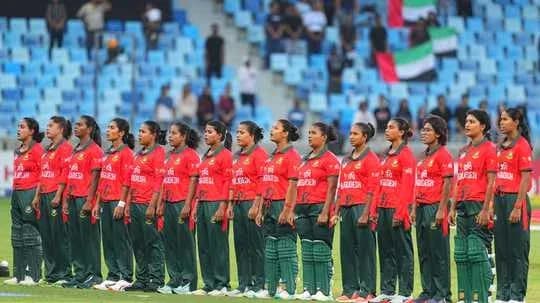
Bangladesh’s women walked out of the Asia Cup with more questions than answers, and one problem screamed louder than the rest: they simply don’t hit the ball hard enough, often enough, in the moments that matter.
A coach closely involved with the women’s game in the country, speaking on condition of anonymity, did not dress it up. The top order lacks power. The death overs lack finishers. Against India in the 2026 Asia Cup semifinal, that gap became a gulf.
Power deficit on the big stage
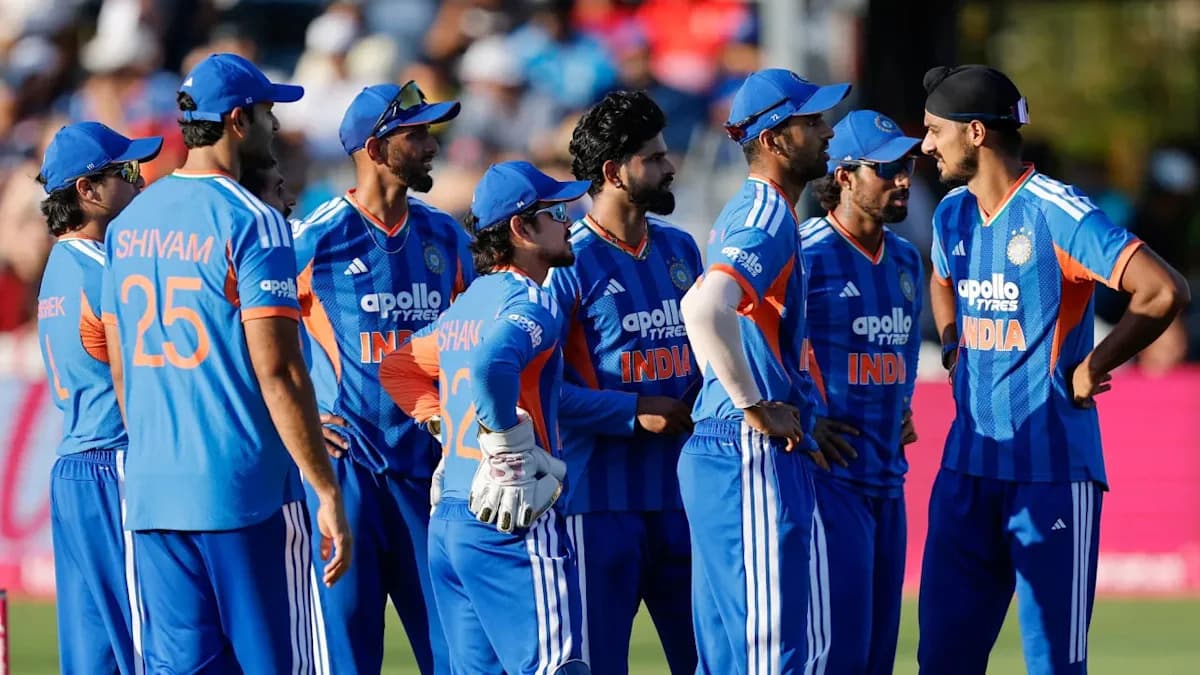
The numbers from that semifinal tell the story. In the Powerplay, Bangladesh crawled to 26 for 1. India, facing the same fielding restrictions, punched their way to 45 for 1. One side absorbed the new-ball pressure; the other imposed itself.
The pattern repeated at the death. India stormed through the final four overs for 42 runs, losing three wickets but never loosening their grip. Bangladesh mustered only 25 for two in the same phase. In modern T20 cricket, that is the difference between clinging on and actually competing.
This is not a one-off blip. Since their famous Asia Cup triumph in 2018, Bangladesh have managed one fifth-place finish and two semifinal exits in the last three editions. On the global stage, the record is even starker: they have never gone beyond the first round of a T20 World Cup, winning just two of their first 13 main-stage matches.
The game has moved on. Bangladesh are struggling to keep pace.
Sixes on paper, not where it counts
The irony is that, on paper, Bangladesh have made progress with the long handle. Since January 2025, they have struck 55 sixes in T20Is. Only India (100), South Africa (77), West Indies (63) and Namibia (60) have hit more. They even sit ahead of Pakistan (50), England (45), New Zealand (43), Australia (41) and Sri Lanka (40) in that period.
But strip away the broader window and zoom in on this Asia Cup, and the picture darkens again. India hammered 25 sixes in the tournament. Sri Lanka managed five. Bangladesh hit just four.
“When it comes to powerplay execution, Bangladesh have to increase their boundary hitting ability,” the coach told Cricbuzz. The logic is simple: this side often stalls in the middle overs, so the openers must buy a cushion. “If they have a good start and add 40-50 runs to the total it is better for them. This is a very important point that we need to address.”
The pressure at the back end is just as acute. “Bangladesh lack hitters in the death overs as they don't have many players to take advantage during that time and, as a result, they are lagging far behind in this situation,” he said.
At the moment, that burden falls almost entirely on Shorna Akter. “Except Shorna Akter there doesn't seem to be many power hitters. It is the reality and backfires against the opposition (like India). Bangladesh rely a lot on Shorna and when she fails their plans are not executed. When she clicks they get to totals around 130-140 and it is a thing that should be looked at for the future.”
The middle order has experience in Nigar Sultana Joty, Sobhana and Supta, but the coach was blunt: the game breaks open at the death, and Bangladesh simply do not have enough players capable of doing the breaking. “Bangladesh should add two-three players for power hitting as even though they have experienced middle-order in the form of Joty, Sobhana and Supta, but in the death overs the difference is created,” he said.
Over-reliance with the ball
The same theme of over-reliance runs through the bowling attack. With the bat, it’s Shorna. With the ball, it’s Marufa Akter.
“Bangladesh rely a lot on Marufa Akter and now it is important to add new pacers to the line-up,” the coach said. On truer, better-prepared international surfaces, that dependence becomes dangerous. The Asia Cup may have offered slightly different conditions, but the underlying issue was still exposed: Bangladesh need more pace options.
“They need two-three more pace bowlers and also a pace-bowling all-rounder considering this is an area of concern for them,” he added.
The message is clear: the T20I set-up needs fresh faces, not just familiar names. Young, quick, versatile cricketers who can survive on good pitches, not just squeeze on slow ones.
Pipeline, not plaster
To get there, the system beneath the national team has to change. The coach stressed the importance of a proper pipeline, starting from age-group cricket.
“Bangladesh need to include young players who are fit and agile and can match up with requirements of T20 cricket and for that the pipeline is important. So it is very urgent for them to look from age-level like U-19 cricket,” he said.
Many of the current players have been around for years. That experience has value, but it has also created a bottleneck. “Most of the Bangladeshi women cricketers are playing in the team for many days but if they can improve their pipeline and allow the new players to express themselves internationally, they will take less time to adapt. They need players who are appropriate for T20 cricket.”
The message cuts both ways: respect the service of the current group, but stop blocking the next generation.
Fitness, culture and fear
Another coach, also speaking anonymously, pointed to something more fundamental than technique or tactics: fitness and mindset.
“Fitness is a major concern and one needs to understand the reality of women's cricket – considering when it comes to food (intake) and culture it is really important that it comes from the players' side,” he said.
He warned against the idea that fitness is something to be switched on in national camps and forgotten in between. “It is a concern if they think they should maintain fitness only during national camps. The reality of international cricket, especially in T20 cricket, is those who are strong, fit and quick, they are adding 10-12 runs be it in batting, or fielding where if you can save five runs it really (makes a difference).”
He did not label the current group as unfit, but he drew a hard line between domestic standards and the international bar. “It is not a fact that the current crop are unfit players but many suggest they have to be fit in terms of international standard and so matching up to that is a major concern as the players have to be aware of this fully and concerned about their fitness.”
Then came the psychological challenge. “Bangladeshi women's cricketers need to break free from fear of failure,” he said. For that, the dressing room environment has to change.
“They need to create a learning environment so even if they fail they are backed. Sometimes there can be experimentation but team management needs to give the cricketers the luxury and the freedom that they will be backed by the team management even if they fail, and it is important to develop that environment.”
The comfort zone, he argued, is the real opponent. “The players need to come out of this mental aspect. They need to have the mindset that doesn't allow them to stay in their comfort zone and to get out of this comfort zone one has to overcome the fear of failure.”
The Asia Cup exit has stripped Bangladesh’s women’s team back to the basics: power, pace, fitness, courage. The question now is not whether the problems exist. They are there in the scorecards, in the semifinals they cannot get past, in the World Cups they cannot crack. The question is how quickly a new, braver version of this side is allowed to emerge.