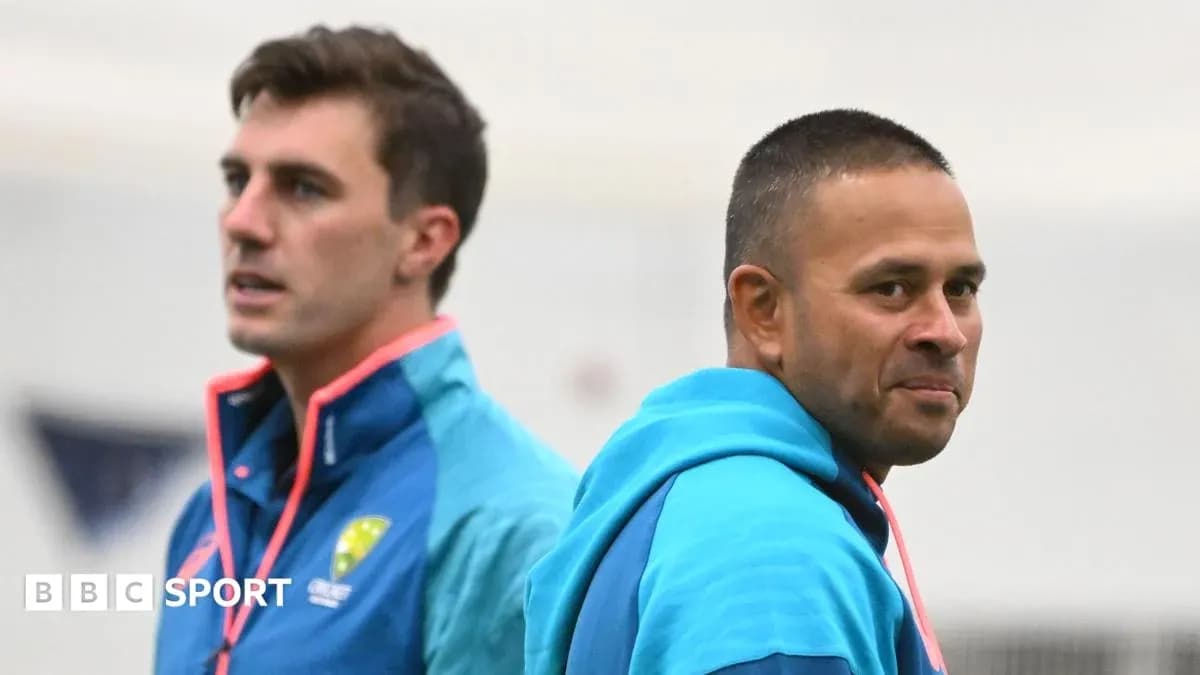
Chadd Sayers Supports Usman Khawaja's Account of Sandpapergate
Chadd Sayers has thrown fresh fuel on Australian cricket’s most toxic fire, backing Usman Khawaja’s version of events over Pat Cummins’ and insisting “everyone knew” about the plan to tamper with the ball during the 2018 tour of South Africa.
The 39-year-old seamer, who played his only Test in that ill‑fated series, was 12th man for the second Test in Gqeberha and says sandpaper was already in circulation before the infamous scenes in Cape Town.
Speaking on SEN Radio, Sayers said he was handed sandpaper during that Gqeberha Test and told to remove it from the field.
“It was given to me to take off,” he said. “That wasn’t planned or anything. It was a wicket or drinks break after tea.”
That simple act now looms large. Khawaja, in his recently released book, claimed sandpaper had been used in the second Test as well as in Cape Town. Cummins, in a remarkable press conference on Friday, rejected that and said he did not recall a key post‑scandal meeting Khawaja described.
Sayers has now sided with his former teammate’s memory.
“I am comfortable sitting here that I believe everyone in that side knew what was going on and what was being used,” he said.
He went further, stating that there was a lengthy, soul‑searching conversation in the dressing room after Cameron Bancroft was caught on camera with sandpaper in Cape Town.
“After the occurrence in Cape Town, we all sat in the changing rooms after that day’s play and, probably for 60 to 90 minutes, we talked about what had happened and I guess where to next.”
Khawaja has written that players discussed taking collective responsibility in that meeting. Cummins said he did not remember such a discussion. Sayers’ recollection lands squarely on Khawaja’s side of the divide.
“It [sandpaper] was used in two Test matches and there were discussions in the changing rooms,” Sayers said. “I’m not taking sides, it’s just my recollection of what took place.”
He may insist he is not choosing camps, but his account sharpens the fault lines running through the legacy of “Sandpapergate”. A scandal that already cost careers and reputations now has another voice, from inside that dressing room, saying the circle of knowledge was wider than officially acknowledged.
Years on, the bans have been served, leadership has changed and Australia have lifted trophies again. Yet the story refuses to stay in the past, because the central question still hangs in the air: who really knew what, and when?