Cricket Controversy at Aichi-Nagoya 2026: Venue and Accommodation Issues
Cricket’s return to the Asian Games should have been a neat, celebratory storyline: a fast-growing sport stepping onto Japanese soil with the continent’s biggest names in tow. Instead, with just weeks to go before the first ball of the Aichi-Nagoya Asian Games 2026 cricket competition, the conversation has turned sharply towards two uncomfortable words: venue and accommodation.
At the recent Asian Cricket Council (ACC) meeting in Bangkok, the mood around the table was anything but relaxed. Concerns poured in from what one official bluntly described as “the big boys” — India, Pakistan, Sri Lanka, Bangladesh and Afghanistan, the continent’s Test-playing heavyweights. Between them, they supply the bulk of the star power to a tournament that features 10 men’s teams and eight women’s sides. Right now, those stars are not impressed.
Housing options that don’t fit heavyweight teams
The accommodation plan has become the flashpoint. Teams have effectively been handed three choices, none of which screams elite, multi-sport showpiece.
- Option one: stay in a city and commute to the ground by bullet train.
- Option two: live on a ship anchored nearby.
- Option three: move into marquee tent accommodation.
For emerging nations, those solutions might just about pass as quirky or adventurous. For squads stacked with global icons, with rigid routines and high-performance demands, they land very differently. Within the ACC, there is a growing feeling that the board, under president Mohsin Naqvi of Pakistan, reacted too slowly. While other continental bodies ring-fenced hotel blocks and locked in logistics months in advance, cricket’s administrators did not move with the same urgency.
Now, with the clock ticking, teams are left staring at a set of compromises rather than a polished Games experience.
A makeshift ground under the microscope
If the housing picture is messy, the venue itself has triggered its own debate.
The cricket ground in Nisshin City is a makeshift facility, closer in feel to many Associate venues than to the stadiums that India or Pakistan’s players are used to. There are no proper dressing rooms yet. Temporary solutions and ongoing work dominate the landscape.
ICC CEO Sanjog Gupta tried to strike a careful tone in a recent social media post. He shared a video of the ground — lush, green, but clearly still in progress — and wrote that the venue “is almost ready and is set to be unveiled at the 20th Asian Games Aichi-Nagoya 2026.” His message carried a caveat: “There is still some work to be done before it can welcome 10 men’s and 8 women’s teams from Asia and match officials as well as fans from across the world but the team ACC and ICC is on the job (sic).”
“Almost ready” is not the phrase any board wants to hear this close to a major event.
The official Asian Games description paints a more optimistic picture. It calls the site “a sports park located in Nisshin City, where a cricket ground was developed for the Asian Games,” and highlights that it is only the second facility in Japan with a natural grass pitch meeting international requirements. Japan even staged an ICC pathway tournament there in May, a useful dress rehearsal but not a full stress test for the demands of a multi-team, medal-event fortnight.
Late inspections, late answers
Behind the scenes, the questions are piling up faster than the answers.
One ACC member told Cricbuzz that a team will be dispatched to inspect the facilities. The problem is timing. With the competition looming, there is a nagging sense this is all happening too late, that any serious shortcomings might now be impossible to fix.
In India, both the BCCI and the Indian Olympic Association (IOA) have already held internal discussions. A member of the BCCI operations team was earmarked to fly to Japan to review the arrangements on the ground. As of early this week, that trip had still not happened. Whether it will, and what it might uncover, remains unclear.
Cricbuzz contacted Japan Cricket Association (JCA) CEO Alex Miyaji for comment. There was no immediate response.
Full-strength India on a half-ready stage?
All of this would be a concern in any year. It becomes even more pointed when you look at the squads India are sending.
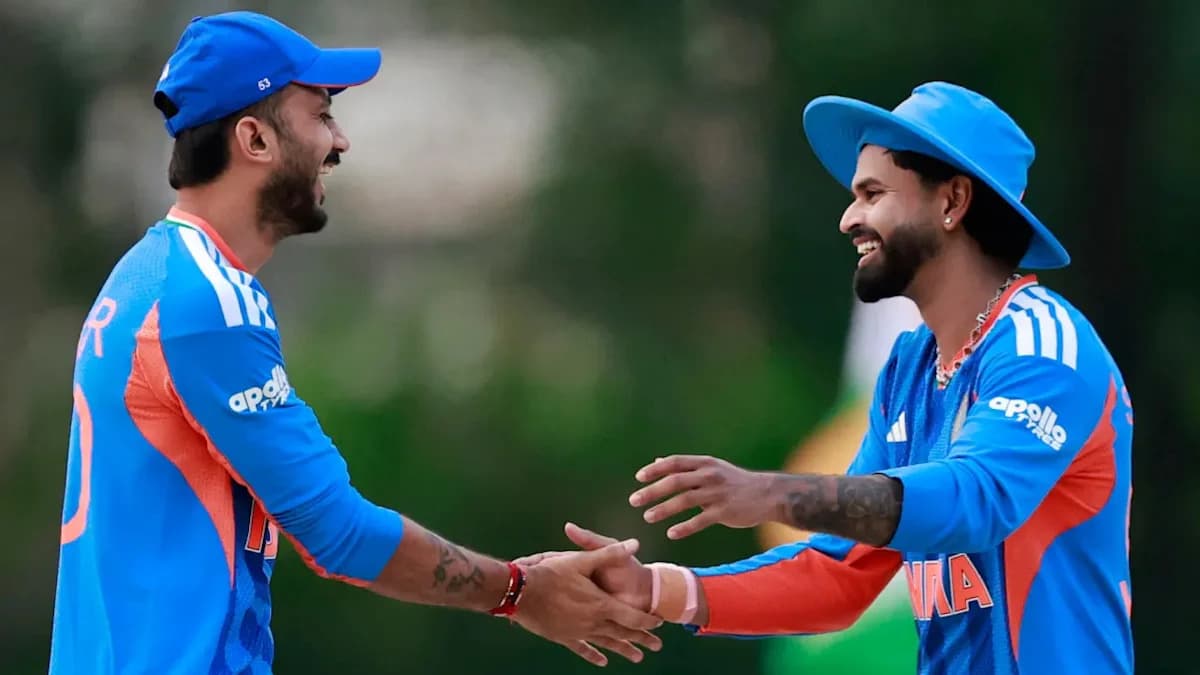
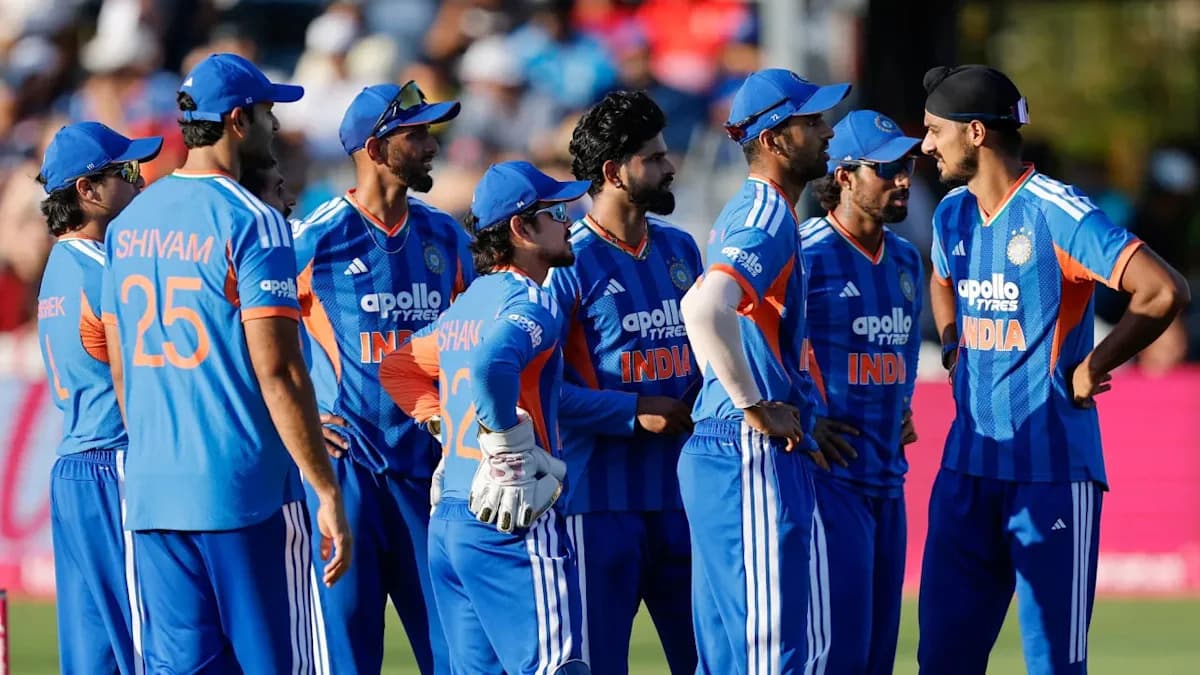
Contrary to some reports suggesting second-string line-ups, the BCCI is dispatching full-strength sides, led by regular captains Shreyas Iyer and Harmanpreet Kaur. Officials maintain that it is now too late to overhaul those squads, barring injuries. Jemimah Rodrigues has already made way for Pratika Rawal due to fitness issues, but wholesale changes are off the table.
So the scenario is stark: some of the biggest names in Asian cricket could arrive to find a venue still shaking off its construction dust and a housing plan that asks them to pick between a train commute, a ship cabin or a tent.
The cricket itself will be sharp and unforgiving. The format is T20, the schedule tight. Matches begin on September 17, two days before the official opening ceremony on September 19, and run until October 3. The women’s final is locked in for September 22, the men’s gold medal match for October 3.
There is talk of a friendly between the Indian men’s team and Japan on September 22, a potentially symbolic fixture for the hosts. Neither the BCCI nor the JCA has confirmed it.
For now, the spotlight stays fixed not on tactics or team balance, but on beds, dressing rooms and bullet trains. When Asia’s “big boys” land in Nisshin City, will they find a venue ready for them — or a work in progress exposed under the glare of a global event?