Cuckney's Historic Village Cup Victory at Lord's
The away dressing room at Lord’s is not meant to belong to a village side from north Nottinghamshire. Not on a showpiece Sunday. Not twice in two years.
Yet that is exactly where Cuckney’s players found themselves again, medals round their necks, Village Cup in their hands, having rewritten a small but gleaming corner of English cricket history.
A tiny village, a giant double
On Sunday, under the gaze of the Pavilion and the old Long Room, Cuckney beat Surrey-based Blackheath by five wickets, with 19 balls to spare, to claim the Village Cup. Twelve months after lifting the National Cup on the same turf, they have become the first team ever to win both titles at Lord’s.
For a club drawn from a tiny community near Warsop, it is a staggering double. On Monday, they came home to a hero’s welcome in north Nottinghamshire, the kind of reception usually reserved for professionals, not men who fit league fixtures around day jobs and school runs.
Captain Richard Bostock did not bother hiding what it meant.
He called it a “special day” and you understood why. Lord’s does that. The slope, the stands, the sense of walking where greats have walked. As Bostock put it, everything about the place drags the emotion out of you – the history, the privilege, the knowledge that most club cricketers never get close.
The scale of the effort sits behind the romance. Twenty-two league games, a 10-match cup run, the logistics of getting a village operation to the Home of Cricket not once but twice. It is hard graft before it is fairy tale. For Cuckney, it has been worth every mile, every training night, every raffle ticket.
Helicopter entrance, hard landing
Blackheath arrived with their own sense of theatre. Captain Peter Melhuish flew in by helicopter for the occasion, a grand entrance for the biggest day of the village calendar.
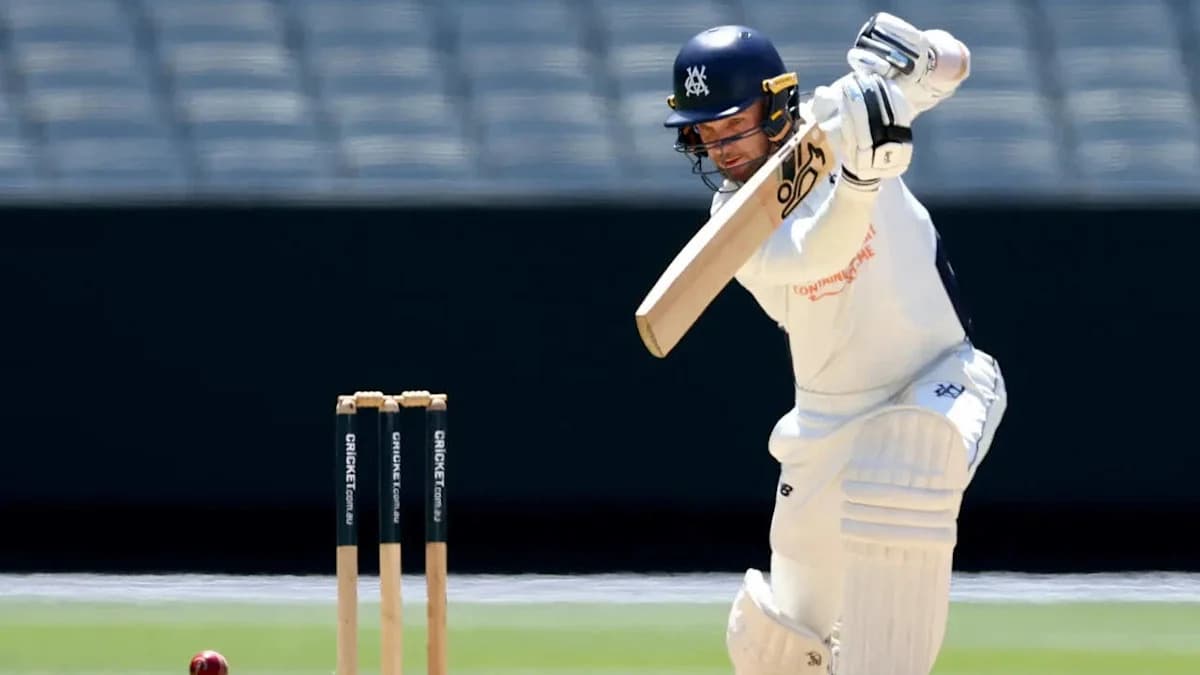
With the bat, he backed it up. His 48 anchored Blackheath’s innings and, for a while, hinted at a total that might stretch Cuckney. But the game’s rhythm changed once Jake Tong found his length.
Tong tore through the Surrey side with an incisive four-wicket haul, stripping away Blackheath’s middle and lower order and strangling the scoring rate. The pressure told; the innings stalled. From promise, Blackheath slipped to 186 all out – competitive, but not imposing, not on a ground where bad balls tend to vanish into the advertising hoardings.
Cuckney walked off knowing the chase was in their hands.
Ullyott’s calm, Tong’s sting
Chases at Lord’s bring their own nerves. The Pavilion looms, the media centre watches, and suddenly village cricketers feel the weight of a stage usually reserved for Test players and internationals.
Cuckney’s reply, though, carried the composure of a side that had done this before. Opener William Ullyott set the tone with a measured 62, the kind of innings that drains tension from a dressing room and tightens it in the fielding side.
At the other end, fellow opener Leighton Ambrick fought his own battle. He admitted the nerves bit hard until he finally got off the mark. One run, and the hands stopped shaking. From there, he settled, the occasion turning from ordeal into experience.
In the stands, his family watched it unfold. He spoke of his dad introducing him to the game, of the emotion that rippled through them as he took guard at Lord’s. For a village club, this is the heart of it: lineage, parents passing on a bat and a dream, then watching the next generation live it out on the most famous square in the sport.
With Ullyott’s anchor, support around him, and the cushion created by Tong’s earlier burst with the ball, Cuckney ticked their way towards the target. They crossed the line with one ball left in the 37th over, unhurried, unflustered, entirely deserving.
From inspiration to legacy
Coach Will Butler has seen both chapters of this story. Three or four of this side stood on the same turf in 2023, part of the National Cup triumph. They had already “lived the moment”, as he put it, and drawn inspiration from it.
This time, they did not just relive it. They built on it.
To go back with that core, to do it again with largely the same group of boys, turns one-off magic into something more substantial. For a club of Cuckney’s size, Butler called it what it is: the stuff of dreams.
Back in the village, those dreams have taken physical form – silverware, photos on clubhouse walls, stories that will be told for years. Not just of a helicopter landing, or of Tong’s four wickets, or Ullyott’s 62, but of a tiny community that organised, believed, and twice conquered Lord’s.
Other village teams will eye that honours board now and wonder: if Cuckney can do it, why not us?