David Warner Revives Cape Town Sandpaper Scandal Debate
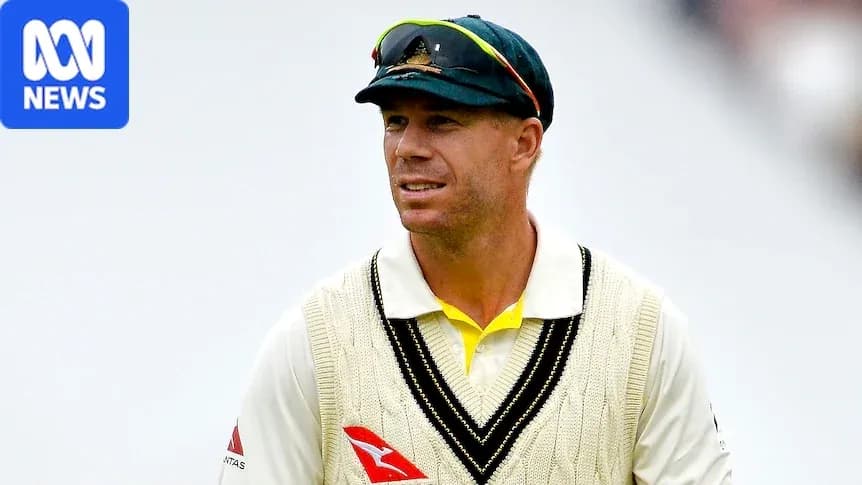
David Warner has reignited the debate over the 2018 Cape Town sandpaper scandal, accusing Cricket Australia of running a “shoddy” investigation with a pre-set outcome and suggesting the governing body has protected a false narrative for eight years.
The former vice-captain, banned for a year over the affair, has gone on the offensive again in the wake of Pat Cummins’ lengthy press conference on Friday, where the current Test captain pushed back on Usman Khawaja’s claims that more players knew about the plan to tamper with the ball.
Warner turns up the heat
Barely had Cummins left the microphones when Warner fired his first shot, accusing the skipper of having “thrown [Usman Khawaja] under the bus”. That was only the start.
On social media, Warner broadened his attack, directly questioning the integrity and depth of Cricket Australia’s 2018 probe.
“As far as I am aware, CA did not interview Josh Hazlewood, Mitchell Starc or Nathan Lyon in their 2018 investigation. If that's correct, then how can CA push the idea that the bowlers didn't know?” he wrote.
From there, he went harder.
“It looks like they had decided who they wanted to blame from the very beginning, ran a shoddy investigation to serve the purpose and now they want to maintain the false narrative that bowlers had no idea.
“That stinks of a cover-up.”
Those lines cut straight to the heart of an issue Australian cricket has never fully escaped: who knew what, and when, at Newlands?
“Botched” and “quick” – Warner’s verdict on CA
Warner has consistently backed Khawaja’s version of events and has not softened his view that the original process was flawed.
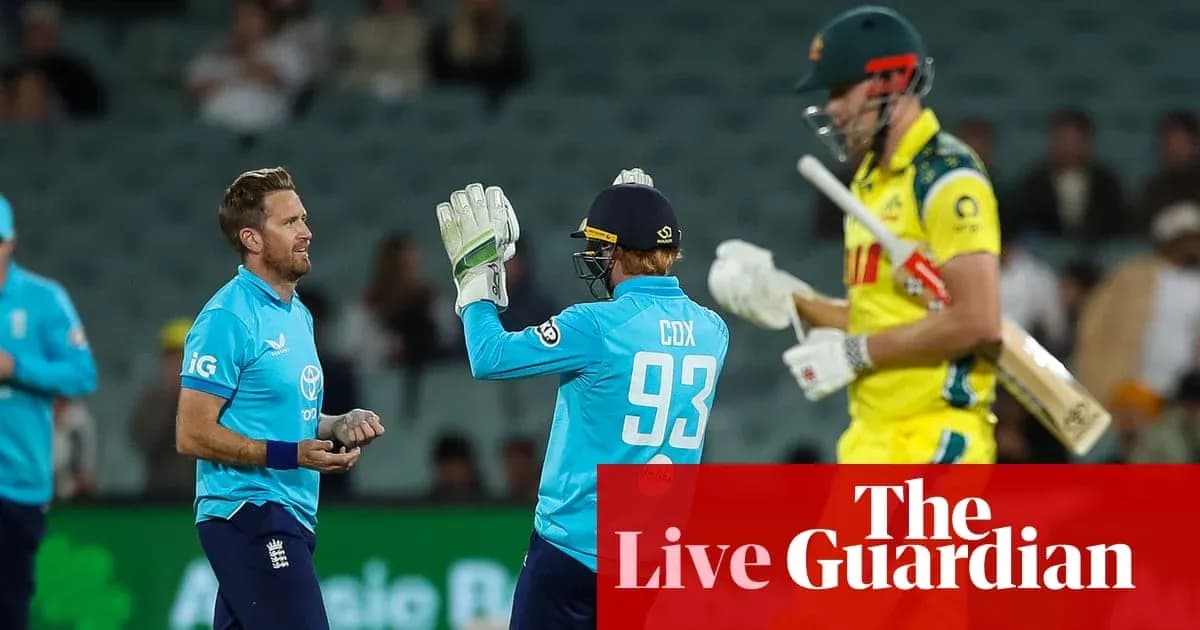
Speaking on Fox Sports before Friday’s ODI between Australia and England, he again branded the investigation “botched” and suggested players felt boxed in.
“The way it was handled in the first place, it was hard for us to go back and give more evidence,” he said.
“I feel like it was a botched investigation. It was a quick one to get it over and done with. Some of the questions were quite challenging in the way it was being planted on us [Warner, Steve Smith and Cameron Bancroft] and we had to move on and just accept responsibility.”
The implication is clear: the trio took the fall, the case was closed, and the game moved on without fully exploring who else might have been involved or aware.
Cricket Australia stands its ground
Cricket Australia has pushed back, insisting the process was open to anyone who wanted to speak then – or since.
“As we have stated previously, all players were given the opportunity to speak at the time of the initial investigation and have had the ability to come forward with new evidence in the eight years since,” CA said in a statement.
“Subsequently, CA has respected every player and former players right to provide their own version of events.”
That line, “their own version of events”, now hangs over the debate, because those versions are diverging more sharply than ever.
Khawaja’s account adds fresh fuel
In his new book, Khawaja says he was never interviewed, despite sitting next to Cameron Bancroft during discussions about using sandpaper on the ball in Cape Town.
Cummins, fronting the media on Friday, said he spoke to investigators at the time and noted there were public calls for anyone with further information to come forward. His stance remains that the bowlers did not know sandpaper had been taken onto the field.
The gap between those insisting they were kept in the dark and those who believe the circle was wider than acknowledged continues to widen.
Bowlers defend their integrity
Mitchell Starc, one of the first players quizzed after Khawaja’s latest claims, was asked again this week to revisit 2018. He chose his words carefully, but made it clear his position had not shifted.
“We were heavily grilled through the process at the time and since,” he said.
“I won't speak on behalf of the bowlers but, from where I stand, my opinion hasn't changed, and my recollection hasn't changed from what we said in 2021.”
Back in 2021, Bancroft had implied in an interview that the bowlers likely knew what was going on.
“Obviously what I did benefits bowlers and the awareness around that, probably, is self-explanatory,” he said then, a line that reopened old wounds and dragged the attack unit back into the spotlight.
Starc, Cummins, Lyon and Hazlewood responded with a rare joint statement, saying they were “disappointed” to have their integrity questioned.
“We did not know a foreign substance was taken onto the field to alter the condition of the ball until we saw the images on the big screen at Newlands,” they wrote five years ago, a position they have held ever since.
An old scandal, new fractures
What once looked like a scandal contained to three players and a single series has morphed into a long-running battle over truth, trust and institutional accountability.
Warner is no longer just defending his name. He is accusing the governing body of picking its culprits first and building an investigation around them.
Cricket Australia insists the door has always been open for more evidence. Warner and Khawaja say key voices were never properly heard. The bowlers stand firm on their innocence.
Eight years on from Newlands, the scorecard is still being argued over. The question now is whether Australian cricket can keep living with these competing versions of the same dark day, or whether the game will be forced back into the dock once again.