The Tragic Journey of Dhruva Pandove: A Cricketing Prodigy
On a fog-choked January night in North India, a taxi rolled out of Ambala and into the kind of darkness that swallows headlights whole. Inside sat a teenager in a hurry — not to a party, not to a trial, but to his parents’ home in Patiala.
Dhruva Pandove never got there.
He had just played a Deodhar Trophy game in Odisha and flown back north, a young batsman in a country that had already started to fall at the feet of another prodigy, Sachin Tendulkar. From Ambala, the plan was simple: get to Patiala, spend a little time with his parents, then join a touring side in a few days’ time and score the runs he believed would push him into India’s Test conversation.
The weather had other ideas. So did fate.
Chetan Sharma, then still playing, saw the conditions and told him to wait. January fog in that belt is not a nuisance; it is a curtain. Visibility drops to nothing, highways turn into blind guesses. Sharma urged caution. Stay back. Travel when it clears.
Dhruva chose the other option. Time with family felt too precious, the next match too important. He took a taxi into the night.
Somewhere on that road to Patiala, a thunderous crash ended everything. The car never reached its destination. Dhruva was rushed to hospital, but the injuries were too severe. He was 18. He was, quite literally, at the door of India’s Test team.
He had lived quickly, and he had left a mark that belied the brevity of his career.
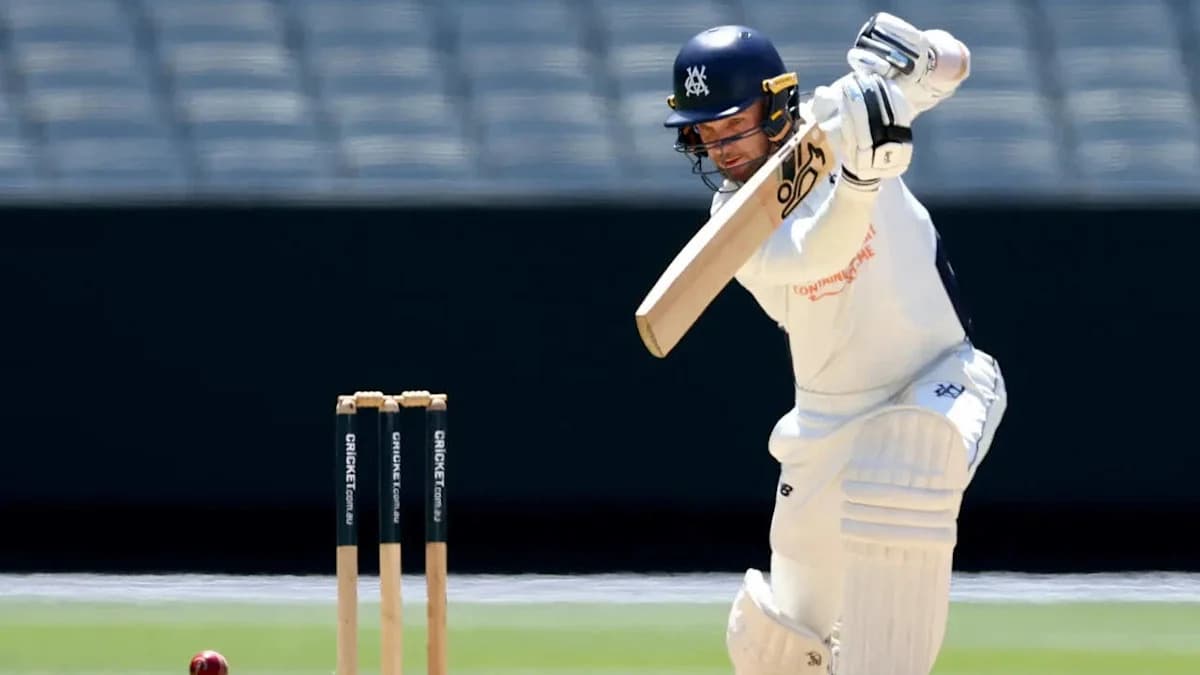
This was not just another “promising youngster” whose name fades from old scorecards. Dhruva Pandove’s numbers read like a teenager’s fantasy. First-class debut at 13 — two years earlier than Tendulkar. First-class century at 14 — again, a year quicker than the boy from Mumbai. Youngest to 1,000 runs in the Ranji Trophy at 17.
Tendulkar comparisons came thick and fast. They weren’t lazy headlines. They were rooted in what he kept doing against grown men in India’s toughest domestic competition. While Tendulkar was already playing for India, Dhruva was sprinting along the same path, desperate to catch up, desperate to share that stage.
He was a Punjab batsman with six List A games to his name and the certainty of youth in his mind: score heavily against the touring side, make the selectors look, make them choose. The plan was clear. The talent, those who saw him insist, was undeniable.
Then came that night.
The crash did not just fracture a family; it left a wound that never quite closed. In the Pandove household, cricket became a reminder too painful to bear. The youngest son, Kunal, was not just discouraged from playing the game — he was barred from it. His mother burned his kit, a brutal, symbolic act to ensure no bat, no pads, no gloves would tempt him down the same path.
Almost 34 years have passed. Time has thinned the memory for many. India has changed, its cricket even more so. The board has grown into the sport’s financial superpower, the calendar is bloated, the stars are brands as much as players.
Yet for those who shared a dressing room with Dhruva, the recollection is sharp, and the sadness still fresh.
Anil Kumble, who turned out for South Zone in that Deodhar Trophy match, remembered him in a conversation with The Hindu years later: “I remember Dhruva as a good, up-and-coming batsman. It was so sad to see a talent promise the world and then suddenly leave it.”
Former India and Punjab opener Vikram Rathour, who played alongside him, painted the portrait of a cricketer older than his years. “He had a mature head on his shoulders and was very intelligent in cricket matters. He had a great future in the game.”
Those who were closest to him, though, speak of more than technique or temperament.
Ajay Jadeja’s words cut deepest. “He had so much life in him. I have not seen anyone that young so fearless. He could take on anyone. His spirit to fight was very infectious.”
Fearless. Infectious. A fighter. These are not the usual platitudes trotted out for the departed. They describe a personality that lit up rooms and dressing rooms, a teenager who refused to be intimidated by reputations or situations.
The years have rolled on. Fans who watched him bat, or read about him in the sports pages of the time, have grown older, taken on different lives, different worries. New heroes have arrived. New prodigies have been anointed. Indian cricket, relentless in its forward march, has moved on.
But every so often, especially when another young batsman bursts through and the word “phenom” gets thrown around, an old question returns, quiet but insistent.
What if that taxi had never left Ambala? What if Dhruva Pandove had waited out the fog, listened to the advice, reached Patiala safely, and then done what he was convinced he would — score runs against the tourists, force the selectors’ hand, walk out one day in an India cap?
The answer lingers in the minds of those who saw him: India would have had another star to boast about.
Not a myth. A reality that fog and fate stole on a cold January night.