Durham's Dominance: From Relegation to Division Two Champions
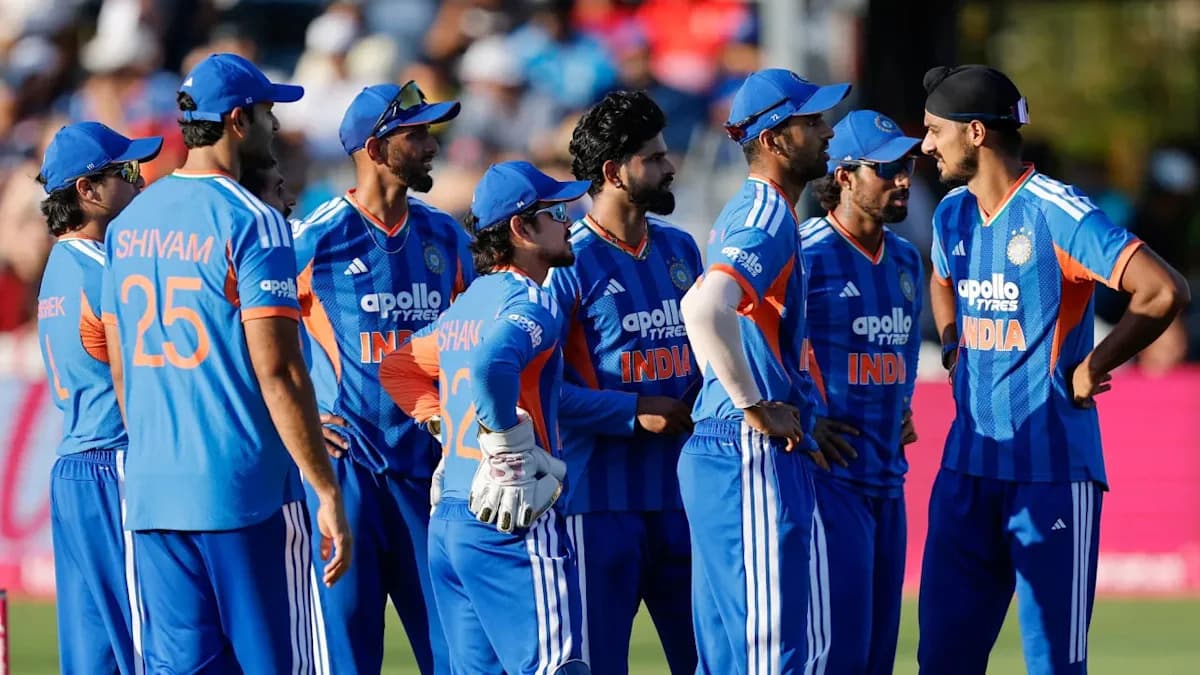
Durham’s players formed a tight huddle at Chester-le-Street, the sort born out of shared scars rather than simple celebration. Twelve months ago they were the county licking their wounds, relegated by a single point after a brutal collapse against Yorkshire. Now they stand as Division Two champions, promotion secured with two rounds to spare after a 93‑run win over Middlesex and a late twist in Derby.
The turnaround has been as sharp as it has been ruthless. Durham haven’t just edged their way back; they have dominated the division, setting the pace from the moment the season settled into its rhythm. Head coach Ryan Campbell has never hidden how raw last year felt or how direct the response had to be. Behind closed doors, the conversations were hard, the debates heated. The players listened, adjusted, and then imposed themselves on a league they were never planning to linger in.
Their reward came in stages. First, they had to finish the job against Middlesex. That required patience. Middlesex resisted long enough to fray nerves, but Durham kept squeezing, over after over, until the final breakthrough arrived and the margin – 93 runs – reflected their control. Promotion was assured. The title, though, still hung in the balance for a few hours more.
The decisive confirmation came from Derby, where Kent’s late collapse against Derbyshire settled the championship race. Kent, chasing 434, had staged a remarkable act of defiance. At 38-5 they looked beaten in the first session of the chase, yet their middle order and tail refused to fold, turning what should have been a procession into an ordeal.
Bertie Foreman became the immovable object. He dug in, ball after ball, over after over, facing 139 deliveries with a calm that drained time and belief from Derbyshire’s attack. Around him, Kent’s lower order clung on. Hasan Mahmud survived a searching over from Ben Aitchison, beaten once by a beauty but otherwise resolute, even nudging a couple into the leg side from the final ball to hand Foreman the strike again. Each run felt like another twist of the knife for Derbyshire and a delay to Durham’s coronation.
Derbyshire kept coming. Fielders crowded the bat, ringed around like vultures waiting for a mistake. Martin Andersson returned to the attack, probing on a tight line, Foreman solid enough to even find time to kick one away and steal a single to mid-wicket. With seven overs left, Kent were 251-8, still 183 short but, crucially, still alive. Derbyshire needed two wickets. Durham needed one of those final stands to break.
The pressure finally told. Shoaib Bashir, who had been denied by the narrowest of margins in previous overs, found his moment. He tossed one up on middle and leg, the ball gripping just enough to turn and thump into Foreman’s pad. The appeal hung in the air. So did the umpire’s finger, for a heartbeat that felt far longer. Then it went up.
Foreman was gone for 38. Bashir had his first wicket of the match, the first to spin in that innings, and Derbyshire could smell victory at last. Kent’s final man, Khaled Ahmed, walked out with the fielders almost within touching distance, Derbyshire straining for the final blow that would not only win them the game but confirm Durham as champions.
Kent’s resistance, so admirable for so long, finally cracked. The late defeat at Derby sealed their fate and, thousands of miles of motorway away, underlined Durham’s triumph. Division Two, once a sentence, has become a springboard.
At the top of the wider Championship, the picture remains tight. Somerset, Nottinghamshire and Warwickshire are still locked in a title race separated by just five points. Two rounds remain to decide who lifts the trophy, who falls through the trapdoor, and who joins Durham in stepping up.
Elsewhere, individual performances across the circuit have shaped the week’s narrative. The notional Team of the Week reflects that scatter of standout displays: Josh Thomas and Ben McKinney up top; Joe Clarke, Martin Andersson and Luke Procter in the engine room; Harry Duke with the gloves; and a bowling unit of Brydon Carse, Olly Stone, Ethan Bamber, Kuldeep Yadav and JT Langridge. It is, as ever, open to argument and revision – much like the season itself.
For Durham, there is no debate now. They were relegated by a point, forced into self-examination, and came back snarling. Campbell summed it up simply: a year is a long time in cricket, long enough to confront flaws, change habits and reclaim a place among the elite.
Two rounds remain for everyone else to decide what their own year will say.