Emilio Gay's Promising Performance—Cook's Endorsement for South Africa
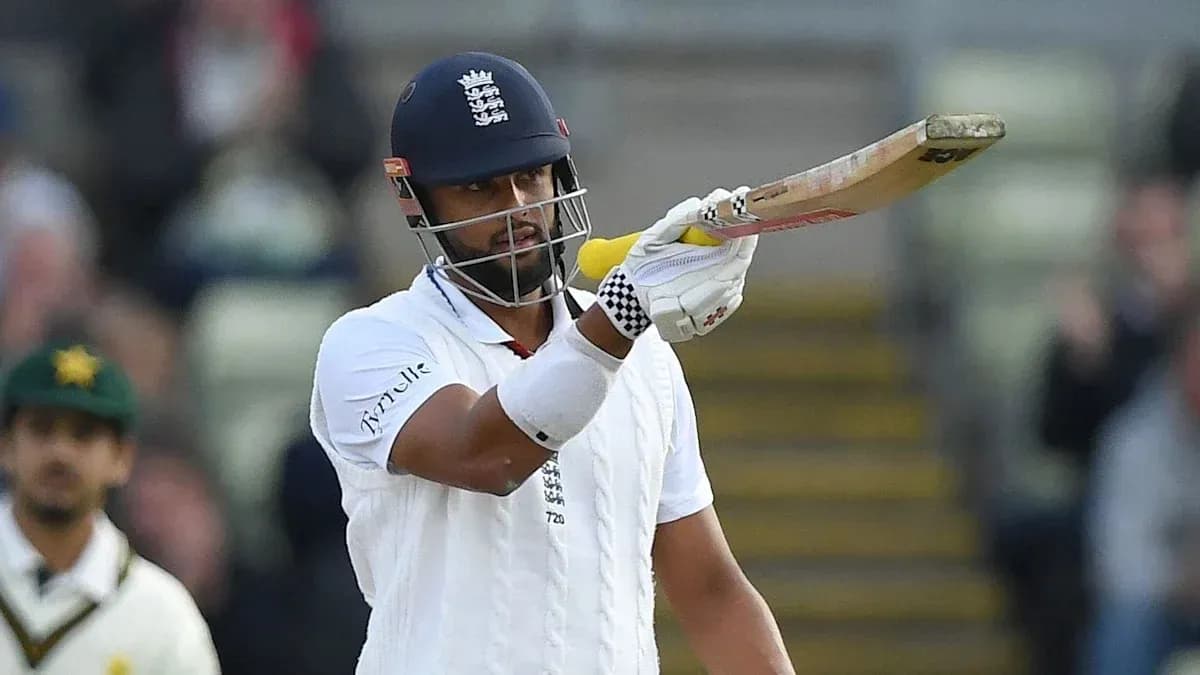
Emilio Gay walked off Edgbaston with only 60 to his name, but with something far more valuable in his back pocket – the trust of one of England’s greatest openers.
Sir Alastair Cook has seen enough. In a summer where batting has felt like an exercise in survival, the former captain believes England have found an opener worth investing in for the long haul, and crucially, worth taking to South Africa this winter.
Cook’s seal of approval
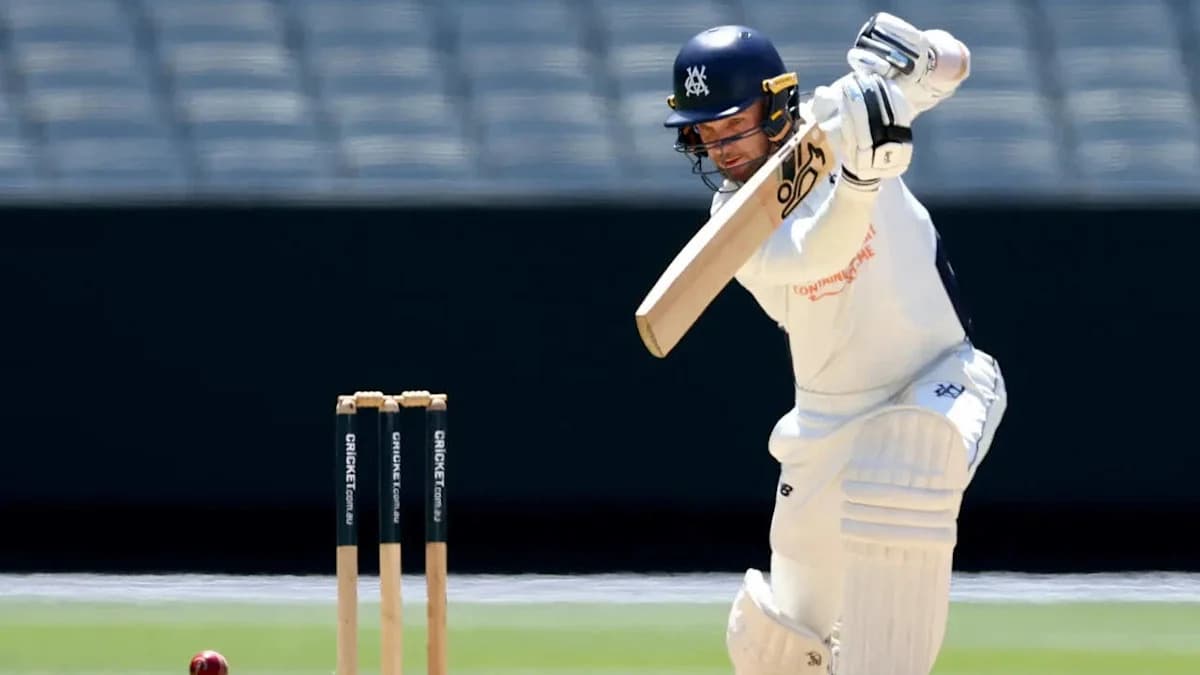
Gay’s 60 from 114 balls against Pakistan was not a swaggering, stroke-filled statement. It was an examination. New ball, overcast skies, a Pakistan attack sniffing opportunity, and an Edgbaston surface offering plenty. Gay didn’t just survive it. He shaped the day.
“I think Emilio Gay’s played really nicely. I would say he's confident and intense,” Cook told Test Match Special, weighing his words carefully but leaving little room for doubt.
“He is definitely a run-getter when he gets in. He seems to have that real stubborn and strong will to make it count if he can.
“He has done enough for me to take him to South Africa to continue the progress of a player where the pitches will be slightly easier to bat on and he should open the batting.”
From Cook, who built almost 12,000 Test runs on bloody-mindedness and discipline, that is not faint praise. It is a recommendation.
Runs in a ruthless summer
On paper, Gay’s numbers are modest. Across this home summer he has 261 runs at 26.1. Not the kind of figures that normally force selectors’ hands.
But this has not been a normal English summer. Bowlers have ruled. Only Ben Duckett has reached three figures for England in six home Tests. Surfaces have nibbled, seamed and spat. In that context, Gay’s willingness to grind, leave and absorb has stood out.
Only Harry Brook, with six, has passed 30 more often than Gay’s five in this campaign. While others have flashed briefly and disappeared, Gay has repeatedly found a way to get in. The frustration, of course, is that he has not yet gone on.
He came closer than most at Edgbaston. Pakistan, skittled for 133, had already exposed their own batting frailties. Gay had the chance to turn a solid day into a defining one. Instead, he dragged on against Razaullah Khan for 60 and trudged off, visibly furious with himself.
Technique built for attrition
What has impressed Cook, and the analysts, is how Gay goes about his work.
According to CricViz, since his debut against New Zealand in June he has left or defended 61% of the pace deliveries he has faced. Among English openers in a home summer, only Dom Sibley in 2020 – at 68% – has been more selective or more stubborn.
On Wednesday, Gay left or defended 65 balls. Cook particularly admired how late he played.
Gay started slowly: the first 12 runs of his half-century took 43 balls. Then, as the ball aged and the bowlers tired, he shifted gear – the next 38 runs came from 52 deliveries. He finished with nine fours and, strikingly, 68% of his Test runs so far have come in boundaries, the joint-highest proportion of any England batter with at least 250 runs.
He is not, then, a strokeless blocker. He waits. He chooses. And when it is in his areas, he hits.
“If you take Gay's innings, and what I've seen of him, he's not hunting that drive too often. He waits for it to come into there,” Cook said.
“He scores off the back foot through the off side as well. He scored through the leg side and timed them through mid-wicket so he does have an all-round game. He's not limited to the off side.”
That blend of patience and range is exactly what England have been searching for at the top of the order since Cook himself retired.
A missed hundred, and a lingering flaw
Not everyone in the commentary box was in a mood to simply applaud. Michael Vaughan also liked what he saw, but his verdict carried a tinge of regret on Gay’s behalf.
“Emilio Gay found his balance early. He had it hard at the start and then he found his flow,” Vaughan said.
“He'll be really disappointed to get out for 60. He'll be desperate to get his first Test match century and I thought it was on today.
“That extra little bit of pace from Razaullah and a little lack of concentration at the end of the day has cost him.”
That dismissal touched on a technical concern that has already emerged. Gay has struggled against bowling back of a length, with seven dismissals in the 7-9 metre range. Teams will have noticed. South African quicks certainly will.
For now, though, England’s brains trust appear to value his temperament and adaptability over a flaw that can be worked on.
Training ground proof
Inside the dressing room, the respect is growing. Seamer Josh Tongue pointed to Gay’s habits, not just his runs.
“The one thing I've seen in Emilio is he trains really hard in the nets. He'll bat for ages, putting a lot of hard work in, and it's shown on the pitch,” Tongue said.
“Even last week at Lord's, he had two quite horrible dismissals, but I felt today he batted unbelievable on a tricky pitch.
“He was obviously really disappointed with how he got out. It's not a nice feeling, chopping on, but he's put the team in a really good position for tomorrow.”
That resilience – to park a pair of ugly dismissals at Lord’s and then front up again on a difficult Edgbaston surface – will not have gone unnoticed by the selectors.
The winter scrap
Selection, though, will not be straightforward. With Jacob Bethell expected to return from injury for the South Africa tour, there is limited space at the top of the order.
The battle for two winter batting spots looks set to come down to Jordan Cox, Dan Lawrence and Gay. Each offers something different. Cox brings flair and versatility, Lawrence an unfulfilled but familiar promise. Gay, by contrast, offers something more old-fashioned: an opener’s mindset.
If Pakistan’s batting continues to crumble, Gay may not get another chance this summer to turn 60 into something heavier. His last impression, then, might be that gritty, imperfect, but deeply telling innings at Edgbaston.
For Cook, it was enough. For the selectors, the question is sharper: in a winter that could shape the next phase of England’s red-ball evolution, do they trust a 26-year-old left-hander who leaves well, defends late and is still, visibly, desperate for that first Test hundred?