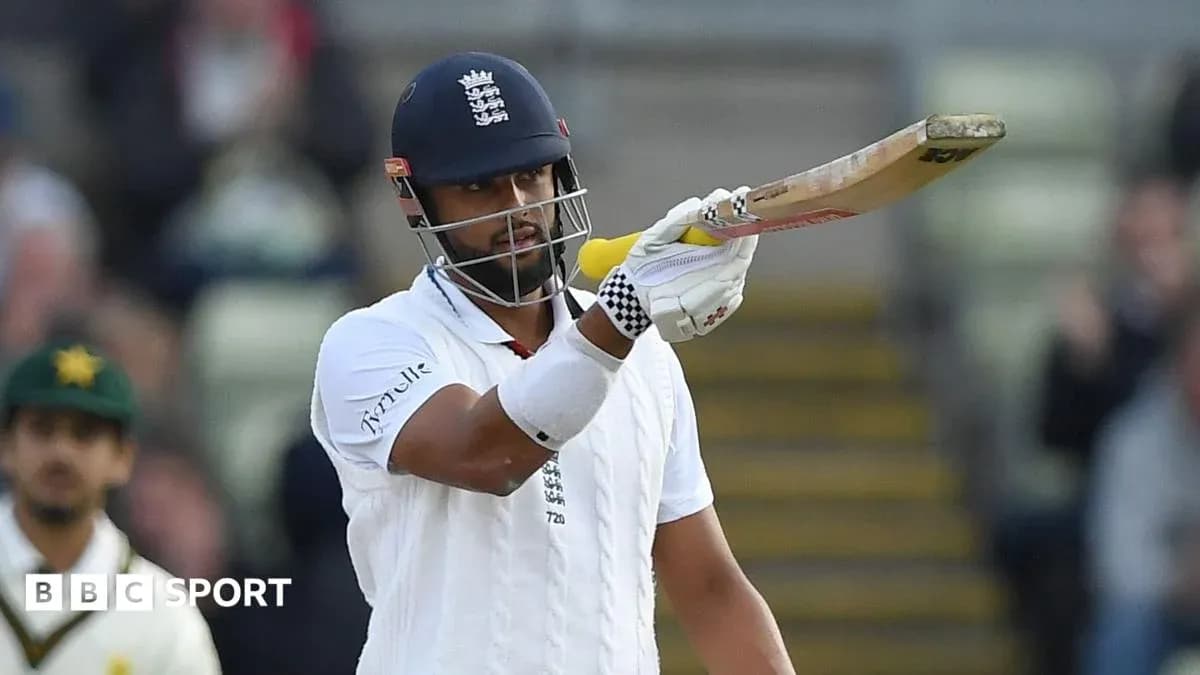
Emilio Gay's Steady Performance at Edgbaston Signals Future Potential
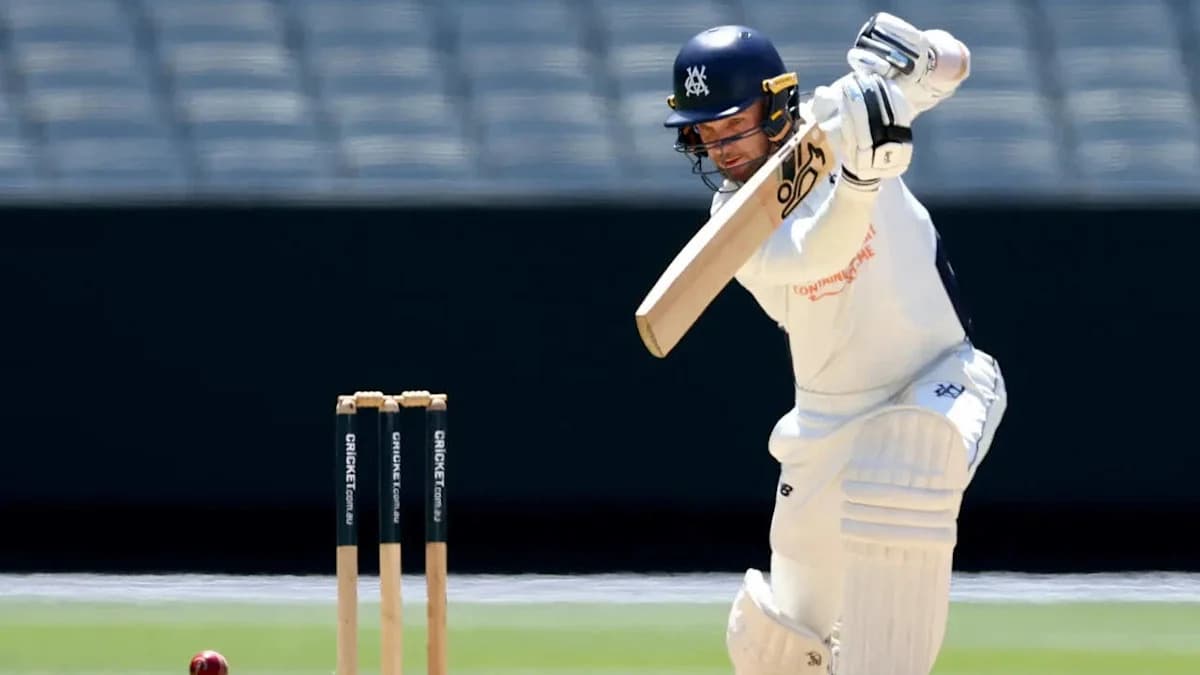
Emilio Gay walked off Edgbaston with only 60 to his name, but the numbers on the scoreboard told only half the story. The other half was written in leaves, blocks and a stubborn refusal to give Pakistan’s quicks anything cheap on a day when England badly needed someone to dig in.
On a summer dominated by the ball, with only Ben Duckett managing a Test hundred in six home matches, Gay’s 60 from 114 balls felt bigger than it looked. It shifted the mood. It gave England control on day one. It also convinced one of the country’s greatest openers that this is a player worth investing in.
Sir Alastair Cook, who knows a thing or two about hard runs at the top of the order, believes Gay should be inked into England’s plans for the winter tour of South Africa.
“I think Emilio Gay’s played really nicely. I would say he’s confident and intense,” Cook told Test Match Special. “He is definitely a run-getter when he gets in. He seems to have that real stubborn and strong will to make it count if he can.
“He has done enough for me to take him to South Africa to continue the progress of a player where the pitches will be slightly easier to bat on and he should open the batting.”
That endorsement did not arrive on the back of a flashy cameo. It came from an innings built on discipline. According to CricViz, Gay has left or defended 61% of the pace deliveries he has faced since his debut against New Zealand in June. Only Dom Sibley, with 68% in 2020, has bettered that figure for an England opener in a home summer in recent years.
On Wednesday, the pattern held. Gay left or defended 65 balls, often very late, nose over the ball, letting the seamers come to him rather than chasing strokes they wanted him to play. Cook liked what he saw.
He “likes how late he defends the ball”, the former captain said, pointing to a method that marries patience with selective aggression. Gay crawled to 12 from his first 43 deliveries, then shifted gears. The next 38 runs came from 52 balls. The tempo changed, the technique did not.
He finished with nine fours, and there is a striking quirk in his early Test career: 68% of his runs have come in boundaries, the joint-highest share for any England batter with at least 250 Test runs. For a player lauded for his restraint, he still punishes anything loose.
“If you take Gay’s innings, and what I’ve seen of him, he’s not hunting that drive too often. He waits for it to come into there,” Cook added. “He scores off the back foot through the off side as well. He scored through the leg side and timed them through mid-wicket so he does have an all-round game. He’s not limited to the off side.”
So this is not a one-dimensional blocker. It is a modern opener’s blend: old-fashioned judgment outside off stump, modern scoring options once set.
Michael Vaughan saw the same quality, but also the frustration. Gay looked set for something more. He had ridden out the toughest spell, found his rhythm, then lost his wicket to the sort of dismissal that keeps an opener awake at night.
“Emilio Gay found his balance early. He had it hard at the start and then he found his flow,” Vaughan said. “He’ll be really disappointed to get out for 60. He’ll be desperate to get his first Test match century and I thought it was on today.
“That extra little bit of pace from Razaullah and a little lack of concentration at the end of the day has cost him.”
The mode of dismissal – dragging on against Razaullah Khan – underlined that point. On a tricky pitch, after doing the hard yards, Gay’s lapse arrived just when Pakistan needed a crack. For all the praise, that will sting him most.
Inside the England camp, though, the innings only reinforced a growing respect. Seamer Josh Tongue pointed to what teammates have been seeing away from the cameras.
“The one thing I’ve seen in Emilio is he trains really hard in the nets. He’ll bat for ages, putting a lot of hard work in, and it’s shown on the pitch,” Tongue said.
“Even last week at Lord’s, he had two quite horrible dismissals, but I felt today he batted unbelievable on a tricky pitch.
“He was obviously really disappointed with how he got out. It’s not a nice feeling, chopping on, but he’s put the team in a really good position for tomorrow.”
That last point is crucial. England’s search for a stable opening pair has dragged on for years, through false dawns and short-lived experiments. Gay’s overall return this summer – 261 runs at 26.1 – does not leap off the page, yet the context matters. Runs have been hard to come by. Attacks have sensed blood. Conditions have been unforgiving.
In that climate, selectors and former greats are looking beyond averages. They are watching how players cope when the ball nips, how they respond after “horrible dismissals”, whether they can go again on another spicy surface. Gay, a 26-year-old left-hander willing to absorb pressure and then cash in, has started to tick those boxes.
Cook, who built a career on that very template, has seen enough to argue for continuity. South Africa in the winter will bring different challenges, but also truer pitches and a chance for an opener with a sound method to grow into the role.
Gay did not get the hundred he wanted at Edgbaston. He did something else instead: he convinced one of England’s most demanding judges that this is an opening bat worth backing, not just for the next innings, but for the next tour.