England's Batters Shine as Brook's Dismissal Raises Questions
England’s batters finally shook off the Perth nightmare. The scorecard said 6-355, a statement total after Friday’s 131 all out. The mood, though, was tempered by one moment their captain will replay in his mind all night.
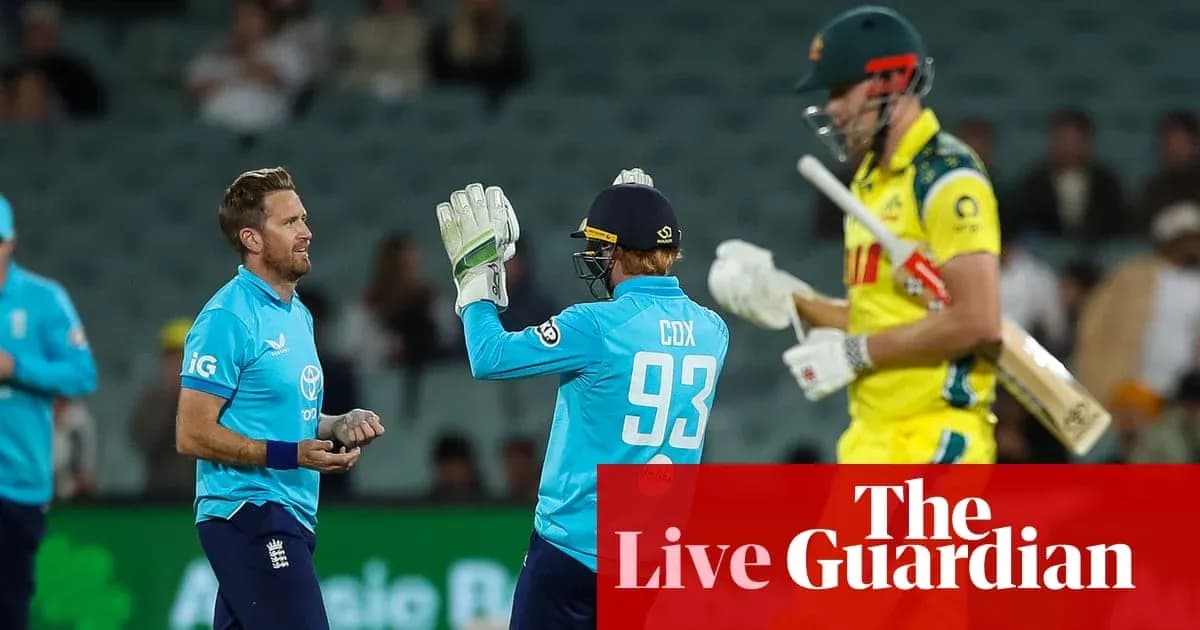
Harry Brook, the man tasked with steadying and leading this new-look side, lasted just 10 balls. Five runs. One shot that left former greats and commentators shaking their heads.
England rebuild – then Brook blinks
This was a very different England from the rabble routed by Mahli Beardman in the first ODI. No early collapse, no procession. They built, they attacked, they imposed themselves.
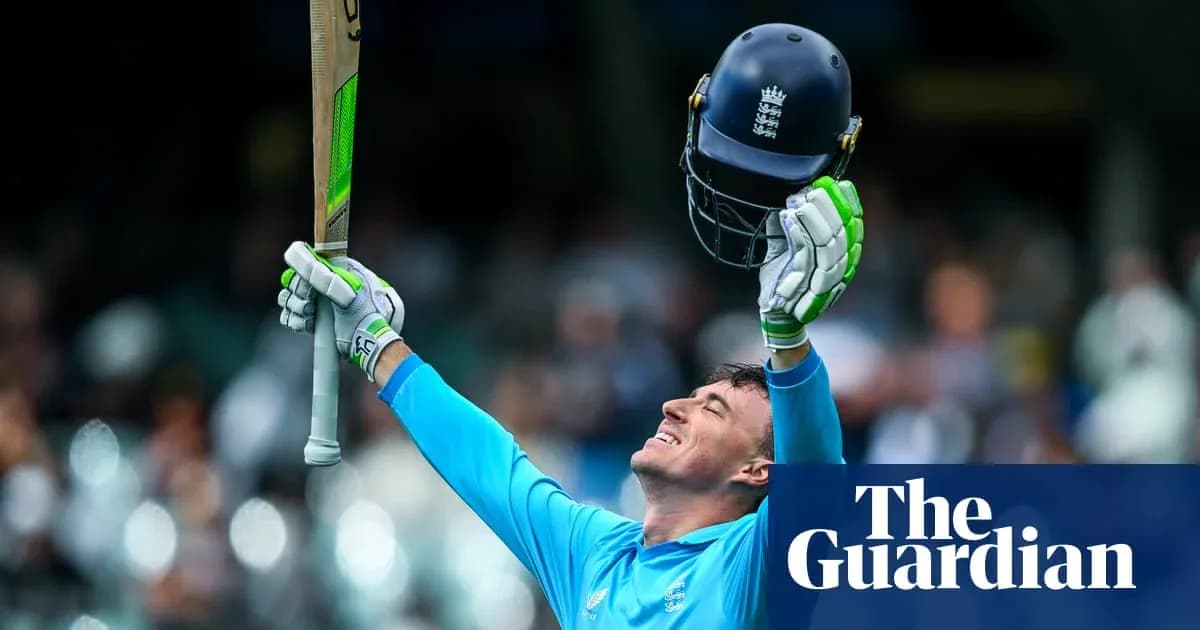
Tom Banton set the tone. Loose shoulders, still head, clean striking. He carved Australia apart for a superb 121 from 99 balls, the kind of innings that changes the temperature of a series. At the other end, Joe Root slipped into his familiar ODI rhythm, nudging, gliding, then expanding as the field spread.
Together they stitched a 137-run stand for the second wicket – England’s highest ODI partnership on Australian soil. It felt like a line in the sand after the chaos of Perth.
Australia searched for answers. Field changes, bowling changes, plans ripped up and rewritten. The visitors, for the first time on tour, looked entirely in control.
Then Brook walked in.
A captain’s rush of blood
Riley Meredith, back in Australian colours and battling for rhythm, offered a full delivery early in Brook’s stay. It was not a slower-ball trap or some wicked variation. Just a ball there to be hit.
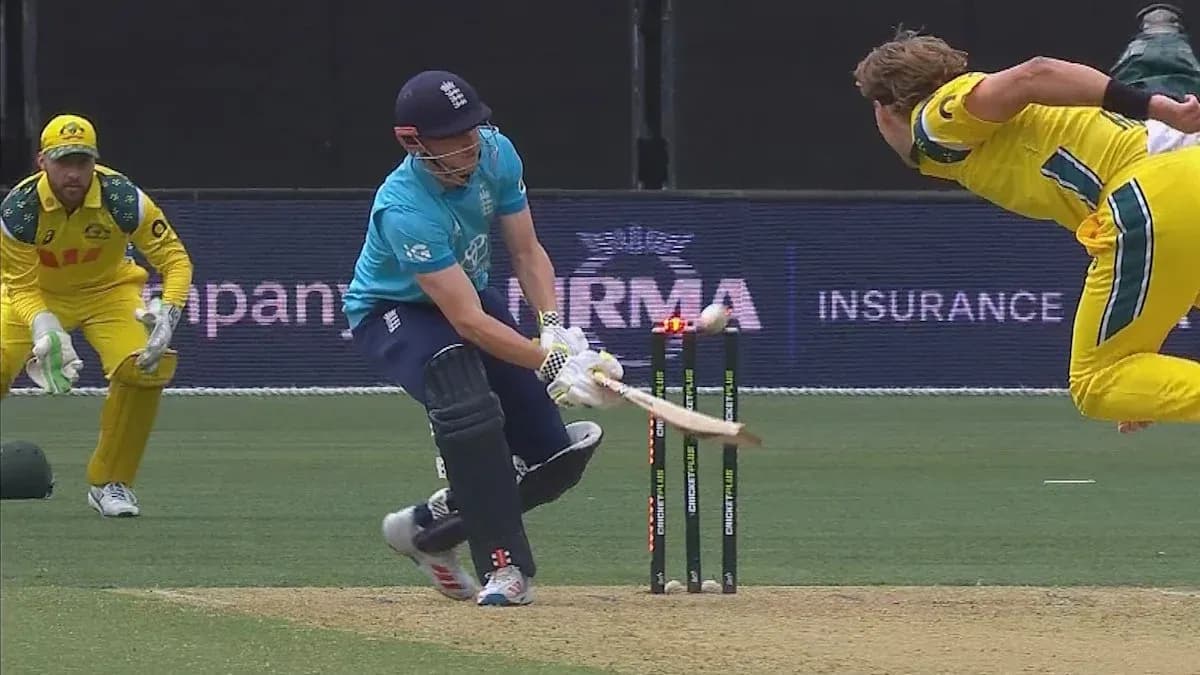
Brook chose the ramp.
He went across his stumps, bat angling delicately, trying to lift Meredith fine. Instead, he chopped it straight back onto his timber. Stumps splayed, plans shredded.
“Too creative too early,” Adam Gilchrist said on Fox Cricket, summing up the mood in a single line. For Meredith, it was a gift and a lifeline. For England, it was their captain gone in a fashion that drew an audible wince from those watching.
Gilchrist added that the dismissal would do “a huge amount for the confidence of Riley Meredith in his return to Australian colours, removing a very dangerous player,” before calling the shot “baffling” from the skipper.
Michael Vaughan, never shy of a verdict, didn’t spare Brook either. He pointed to the context: a partnership ticking along nicely, 19 from 16, pressure easing, platform set.
“You question whether that shot was really required at that stage,” Vaughan said. Fine leg was wide, the space was there, but the risk was obvious. “He’s far too good a player to be getting out in that fashion early in his innings. Every now and again, you’ve got to play a different role.”
Gerard Whateley, on SEN, stripped it back even further: “Even by modern standards that is ludicrous.”
It wasn’t just a wicket. It was a leadership moment squandered.
Root’s strange exit, Banton’s masterclass
Brook’s dismissal might dominate the debate, but the backbone of England’s revival belonged to Banton and Root.
Banton’s century was as modern as they come: 99 balls, 121 runs, relentless intent. He drove on the up, cut hard, and punished anything remotely short. Australia’s seamers dragged their lengths around; Banton kept finding ways to pierce the field.
Root, by contrast, was all craft and calculation. He looked destined for three figures, moving through the gears with that familiar economy of movement. Then came his own bizarre exit.
Facing part-timer Cooper Connolly, Root miscued a lofted stroke and sent the ball straight up, straight down, into the hands of substitute fielder Liam Scott. No drama in the catch, plenty in the timing. Root gone when a big hundred seemed there for the taking.
Banton followed later, holing out to Cameron Green in the deep. Xavier Bartlett drew the mistake, Green stooped to claim a neat low catch, and Australia finally removed the man who had tormented them for 99 balls.
Cox and Jacks twist the knife
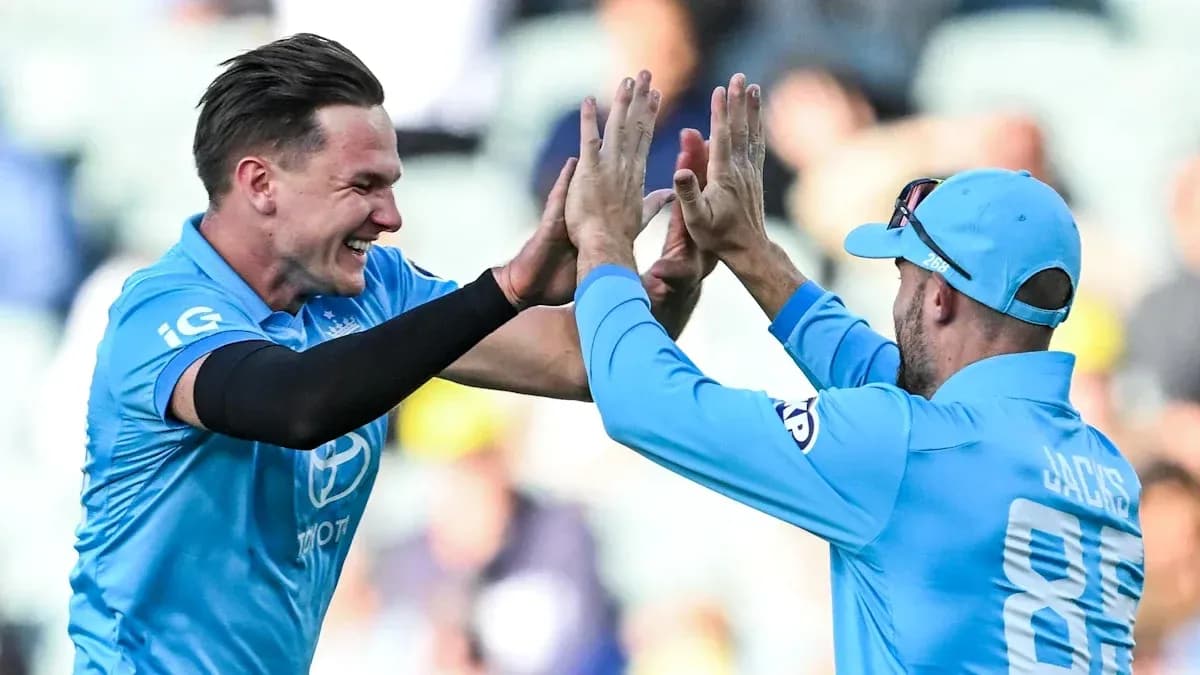
If Australia hoped those wickets would drag England back towards a par total, Jordan Cox and Will Jacks had other ideas.
Cox, with 67, kept the tempo high, exploiting tired bowlers and scattered fields. Jacks, unbeaten on 54, finished the job with a clinical late surge. They didn’t just preserve the platform; they launched from it.
England swung hard at the death, picking gaps, clearing ropes, forcing Australia into damage control. By the close of the innings, the hosts looked short of answers, short of energy, and possibly short of runs to chase.
The demons of Perth? Buried under 355 runs.
Yet as England walked off, one question lingered over their captain. On a day his side finally found their batting heartbeat, Brook chose the ramp, lost his off stump, and handed his critics fresh ammunition.
If this is the series that shapes his captaincy, how many more of those risks can he afford?