England's Cricket Tour: Learning to Win Again
Perth remembers. England would probably rather it didn’t.
Twelve months ago they arrived here full of noise and narrative, talking about revolution and redemption, only to be carved apart by Travis Head and sent packing inside two brutal days at Optus Stadium. That Ashes glass jaw smashed early, and loudly.
This time, the volume is down. Way down.
A different England, a different tour
The stakes are lighter on paper: three ODIs, five T20s, a white-ball stopover rather than a grand Ashes crusade. Brendon McCullum still wears the head coach badge in limited-overs cricket, but the “Bazball” branding that once dominated every conversation has barely been whispered.
There is no sequel being sold here. No manifesto. Just a team trying to remember how to win one-day games and educate a new group before next year’s World Cup.
Even Perth’s usual theatre has cooled. The West Australian, which once gleefully labelled Ben Stokes a “Cocky Complainer” and reduced Joe Root to “Average Joe”, has struggled to whip up the same storm. Jofra Archer did make the back page this week, framed as part of the “Poms’ daunting Perth task”, but the paper didn’t bother to explain why. The energy is elsewhere.
Because in Australian cricket right now, there is only one story. And it isn’t England.
Khawaja’s book and an old wound reopened
Usman Khawaja’s autobiography, Sabr, has detonated the news cycle. Not the whole book – specifically the 22 pages that drag the 2018 sandpaper scandal back into the light. In that glare, Harry Brook’s touring side barely qualifies as undercard.
The fallout has been immediate and messy. Old questions, new angles, familiar discomfort. An appetite for the truth, sharpened rather than dulled by time.
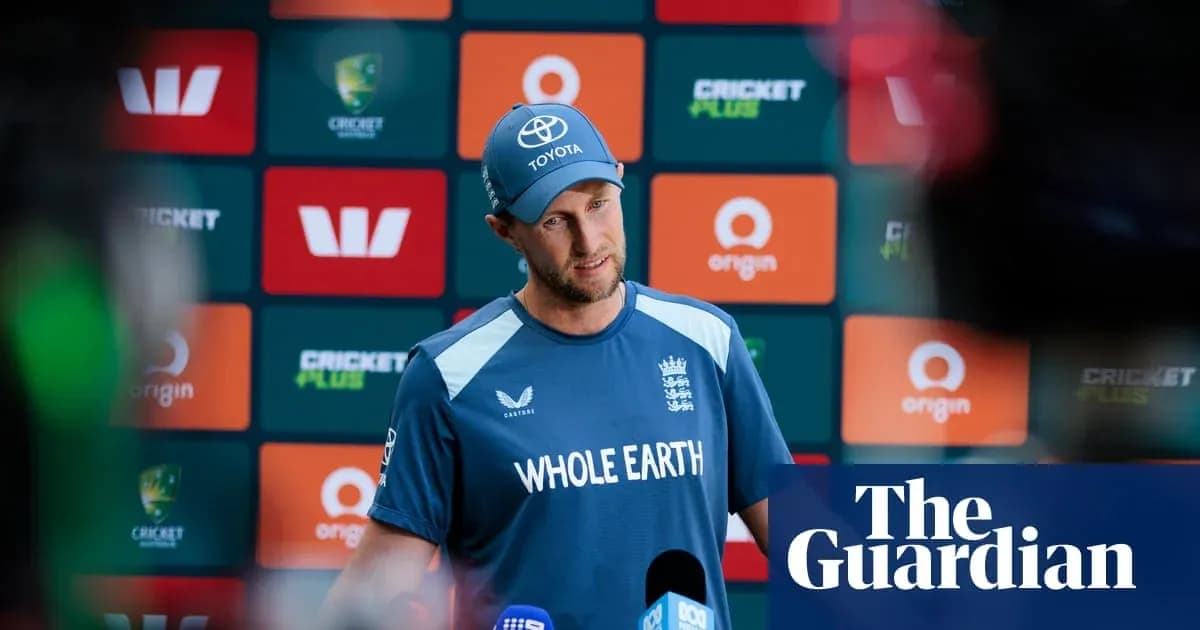
Into this walked Joe Root, pushed out for media duties on Wednesday. On the face of it, a heavyweight name: about to play his 200th ODI, still one of the sport’s most recognisable figures. But Root remains Root – master of the dead bat off the field as much as on it.
Asked about the 2017-18 Ashes tour he captained, a tour Khawaja now says featured Australian ball-tampering, Root barely blinked. “I don’t want to speculate,” he said, and promptly nudged the conversation back to the cricket in front of him.
The only time he edged towards the heart of the matter came when he was pressed on a familiar refrain in Australia – including from Khawaja – that “everyone was doing it” before Cape Town blew the lid off. Root’s response was simple. “I can only speak from my own experiences. That’s not how I feel.” A shrug, and that was that.
England have little to gain from diving into this storm. Better, for them, to sit back and watch others stew.
England’s brief: learn fast, win again
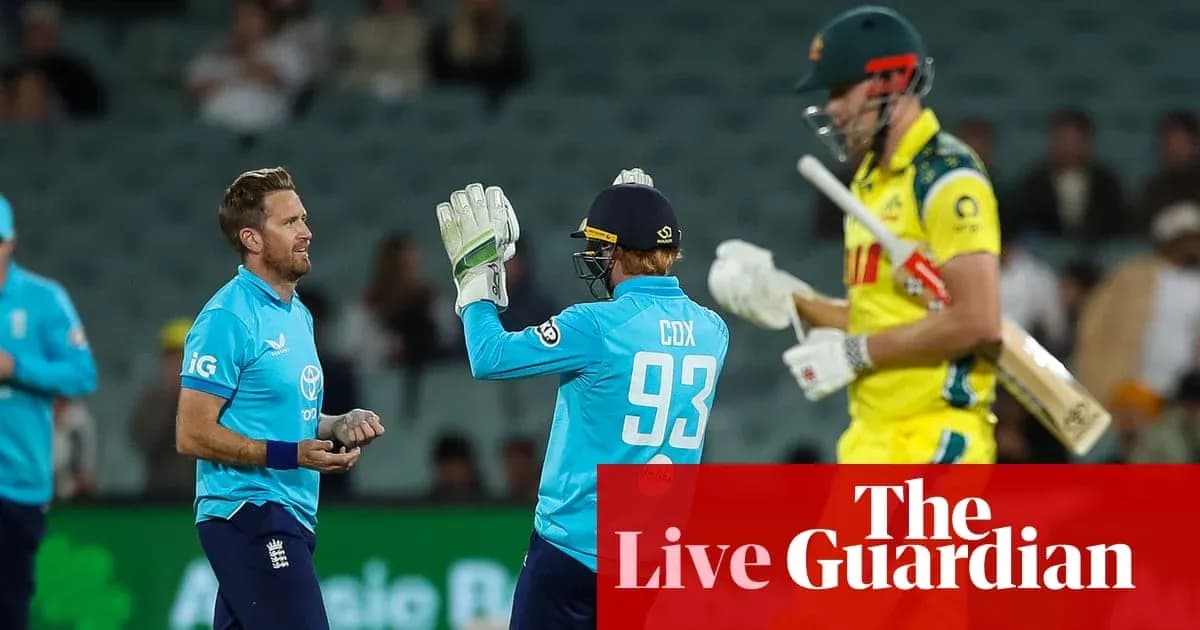
Their job is far more straightforward: toughen up a largely inexperienced 50-over side, sharpen combinations, and repair some confidence after a poor tri-series in Pakistan.
The preparation, at least, looks more serious than last year’s Ashes warm-up. No more arriving undercooked and under-resourced. They’ve had a proper tour match at the Waca. The backroom staff is no longer stripped to the bone either, with Kevin Pietersen among a sizeable coaching contingent that even includes two dog-stick specialists brought in from Kolkata Knight Riders.
It is a very modern detail, and a reminder that while the off-field noise harks back to 2018, the game has already moved on in other ways.
Sandpaper: a story that refuses to die
How long sandpaper dominates the headlines is anyone’s guess. Cricket Australia has already ruled out reopening an investigation that felt rushed at the time and has looked increasingly flimsy since. Officially, the door is closed.
Unofficially, it won’t stay shut.
Khawaja has copped a backlash for reopening the wounds. Some of it has been ugly, plenty of it wide of the mark – especially the lazy accusation that the book is a simple cash grab. Yet he has filled in parts of the original story and exposed fresh gaps in others. The questions haven’t gone away; they’ve multiplied.
David Warner sits at the centre of much of this, one of three players hit with what many still view as absurdly long bans. Around him, the demand for clarity lingers. Around the current team, the spotlight intensifies.
Pat Cummins, as Test captain, is the man a lot of people want to hear from. He, Mitchell Starc and Josh Hazlewood are all being rested for this series. That decision owes plenty to a schedule packed tight as a sardine tin rather than any overt attempt to shield them, but the optics are what they are.
Starc has already spoken, doubling down on the joint statement the bowlers released in 2021. That line – that they knew nothing – is starting to sound increasingly like a debate over wording rather than substance. Whether Cummins chooses the same path, especially with Khawaja suggesting sandpaper was used earlier on that tour than first admitted, is a live question.
Even Khawaja, the latest catalyst, has shown how hard this terrain is to cross. His appearance on ABC’s 7.30 programme turned into a political grilling. He became evasive, clearly uncomfortable. And really, why would he name names on air when he chose not to in print?
England on the edge of someone else’s storm
So England train at Optus, play their tour game at the Waca, and prepare for a series in which they are not the main act. Their World Cup planning continues in the shadow of someone else’s reckoning.
For once, they are not the story in Australia. The question is whether they can quietly turn that anonymity into an advantage – and whether, by the time they leave, anyone here will be talking about their cricket at all.