England Dominates as Australia Crumbles in Adelaide
England’s batters stacked the runs. Their bowlers then tore into Australia’s reply with a ruthlessness that left the chase in pieces inside the first handful of overs.
Set 356 to win, Australia staggered to 4-50 after 11 overs, their top order shredded and their hopes of a serious tilt at the target hanging by a thread.
This was a collapse that arrived in waves, each one more damaging than the last.
England finish with a late surge
The platform came from England’s middle order. Having already motored past 300, they accelerated again at the death.
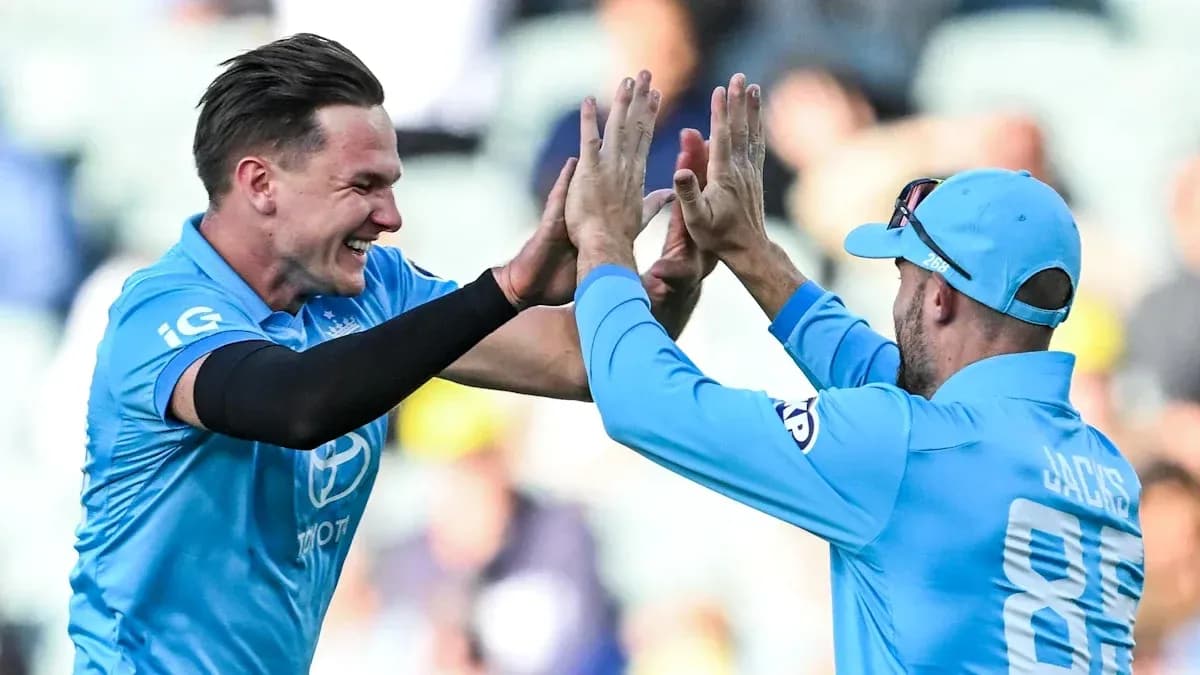
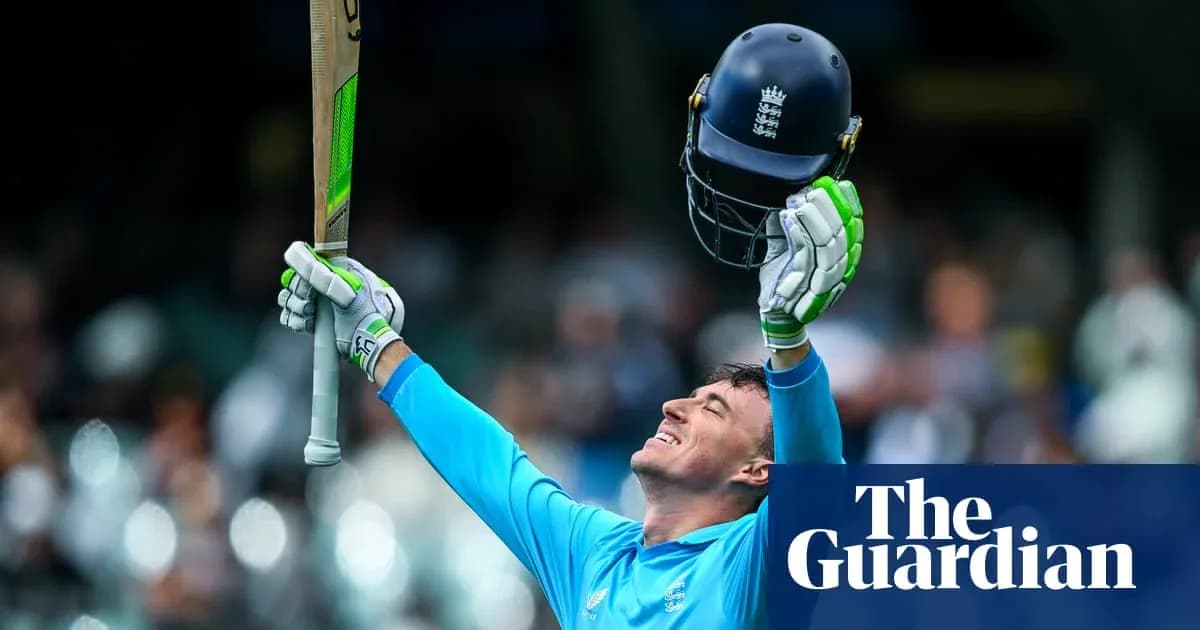
Will Jacks quietly ticked to a well-judged fifty, reaching the mark with a single, while Cox provided the fireworks. Their partnership surged beyond 100, Cox mixing innovation with power, including a deft reverse scoop to the boundary as Australia’s bowlers searched for answers.
At 4-314 after 46.2 overs, Australia finally thought they had their break. Zampa got both hands to a chance off Jacks, only to spill it. It proved costly. England kept coming.
Bartlett then dragged Australia back into it, at least briefly. Two wides in his over hinted at nerves, but he induced a miscue from Cox, whose 67 from 49 balls had been central to England’s charge. Renshaw did superbly on the rope, taking the catch right by the boundary to remove a man who looked set to push the total into the stratosphere. England were 5-314 after 46.3 overs, Cox gone but the damage largely done.
Sam Curran joined Jacks and kept the tempo up. The real late sting, though, came from Gus Atkinson. With one over left, Jacks had his half-century in the book and England sitting pretty. Atkinson walked in with licence and intent: first ball a swing and a miss, the next two launched for six. England surged to 6-338 with two balls left in the innings, a brutal reminder of how to finish when you arrive in the final over.
Australia clawed back one late success when Johnson removed Curran for 14 from nine balls, Connolly taking the catch, but by then the target of 356 already loomed large.
Atkinson ignites the collapse
Chasing 356, Australia needed a statement start. Instead, they walked straight into Atkinson on a roll.
Mitchell Marsh and Travis Head strode out to open, knowing they had to match England’s early intent. Head took four balls to get going, then launched his first six from the fifth he faced, a blow that briefly hinted at the kind of counter-attack Australia needed.
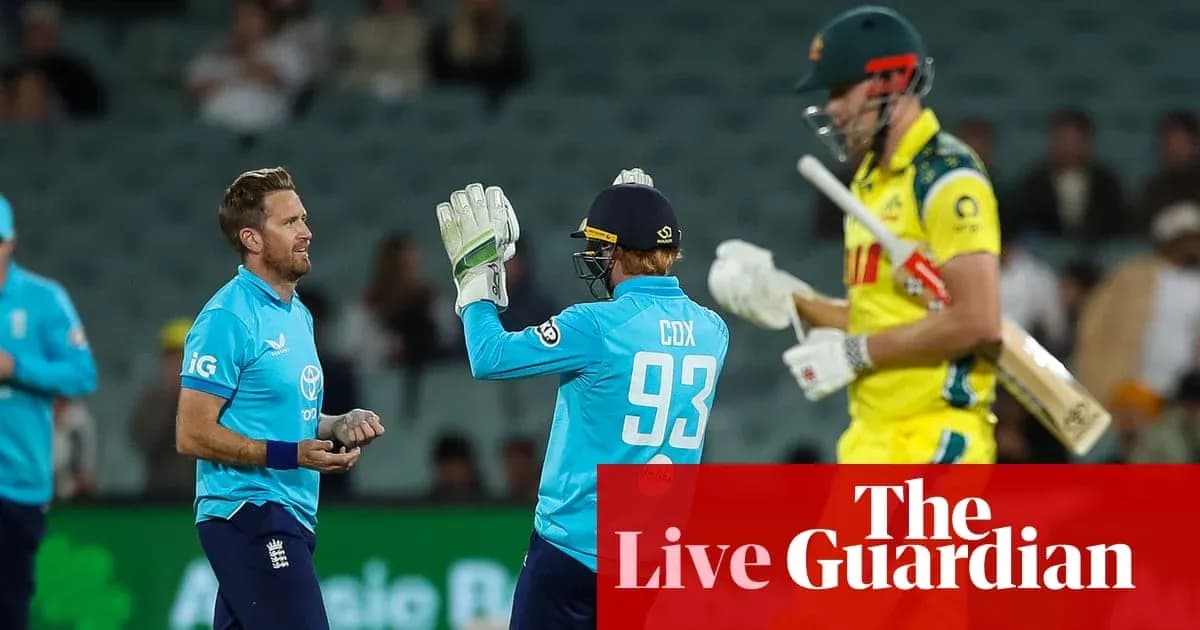
The response from England was swift and cold. On just the eighth ball of Head’s stay, Atkinson struck. Head, on seven, miscued and Joe Root, ever-reliable, collected the catch behind him with ease. Australia were 1-13 after 2.4 overs, their aggressive tone checked almost as soon as it had been set.
Atkinson was far from finished. With the score on 2-23 after 3.1 overs, he claimed a second scalp in the same over, this time removing Connolly for a two-ball duck. Brook held the catch, a near carbon copy of the Head dismissal in its simplicity and inevitability. The pressure had flipped; England were hunting, Australia were groping for stability.
It got worse. Much worse.
Three wickets for no runs, Australia in ruins
From 2-23, Australia slid to 3-13 in the space of six balls. Marsh, the captain, became the next to go as Baker joined the party. Bowling with discipline, he drew the mistake and Root again did the rest, pouching the catch to send Marsh on his way. Three wickets had fallen for no runs in six deliveries. Australia were 3-13 after 3.3 overs, their top order ripped out, their chase in tatters.
Renshaw and Inglis were thrown together in the wreckage, replacing Connolly and Marsh. Their first job was simply to survive.
They tried to rebuild, but even the moments of respite came with a sense of fragility. With Australia 4-29 after seven overs, England went upstairs for a review on a possible dismissal. This time, Inglis did not escape. The decision went against him and he departed for 3 from 5 balls. “Oh dear” barely covered it. Another wicket, another dent in a chase that was rapidly turning into damage limitation.
Root almost added to the chaos with what would have been his third catch, only for a chance off Inglis earlier to slip past his fingers. That let Inglis breathe for one more ball, but not for long.
Renshaw, at least, showed some resistance. He worked his way to 13 from 15, then began to find the rope more regularly. A first boundary, then another soon after, gave him 24 from 26 balls as he tried to drag the innings into something resembling a contest. Green, alongside him, reached 10 from 13 as they inched the total to 4-50 after 11 overs.
Yet even Australia’s small wins came with a sting.
Dawson’s drop lets Green off the hook
England should have been celebrating a fifth wicket. Atkinson, already the destroyer-in-chief, banged one in short at Green. The pull went aerial, Dawson settled under it, and for a moment the script was perfect: another Atkinson strike, another Australian batter gone.
Somehow, Dawson spilled it. Green survived when he should have been walking off the Adelaide Oval. For Australia, it was a rare slice of luck in a night of mishaps. For England, it was a reminder that even in dominance, the job still had to be finished.
At 4-50 with the target still a distant 356, the scoreboard told its own story. England had piled on the runs, then attacked with precision. Australia, rocked early and repeatedly, now needed something close to a miracle from Renshaw, Green and the lower order.
The question was no longer how quickly they could chase 356, but whether they could even drag this game back into a genuine contest.