England's Record-Breaking ODI Performance in Adelaide
England hit back in style in Adelaide, shaking off the bruises from their Perth mauling to post a towering 355 for 6 in the second ODI, their highest total on Australian soil and the first time Australia have ever coughed up 350 at home.
At the heart of it all was Tom Banton. This was not a hopeful audition; it was a statement.
Banton’s coming-of-age knock
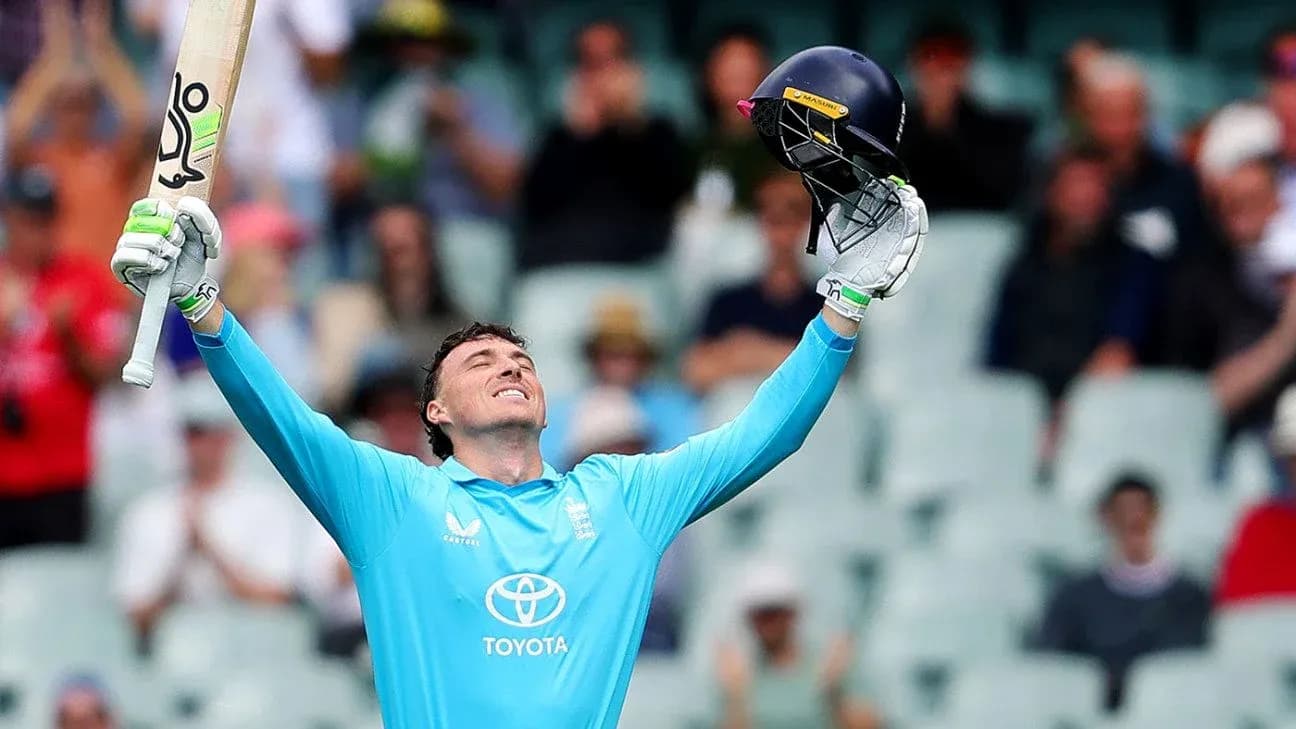
Opening the innings, Banton carved out a magnificent 121 from 99 balls, the kind of innings that forces selectors’ hands. With Jacob Bethell and Jos Buttler absent, the top of England’s order felt temporarily up for grabs. Banton treated it as a permanent vacancy.
He started with a neat flick to the rope in the second over, but the tone of his day changed sharply in the sixth. Spencer Johnson thudded a bouncer into his helmet, dislodging the neck guard and leaving a visible mark on his cheek. Australia thought they’d spotted a technical flaw. They went short again.
They misread the moment.
On Adelaide Oval’s compact square boundaries, the short ball turned into Banton’s scoring option. He cashed in, peeling off two fours and a six from his next three short deliveries. By the end, ten of his 16 boundaries had flown through the leg-side arc from fine leg to cow corner, all four sixes included.
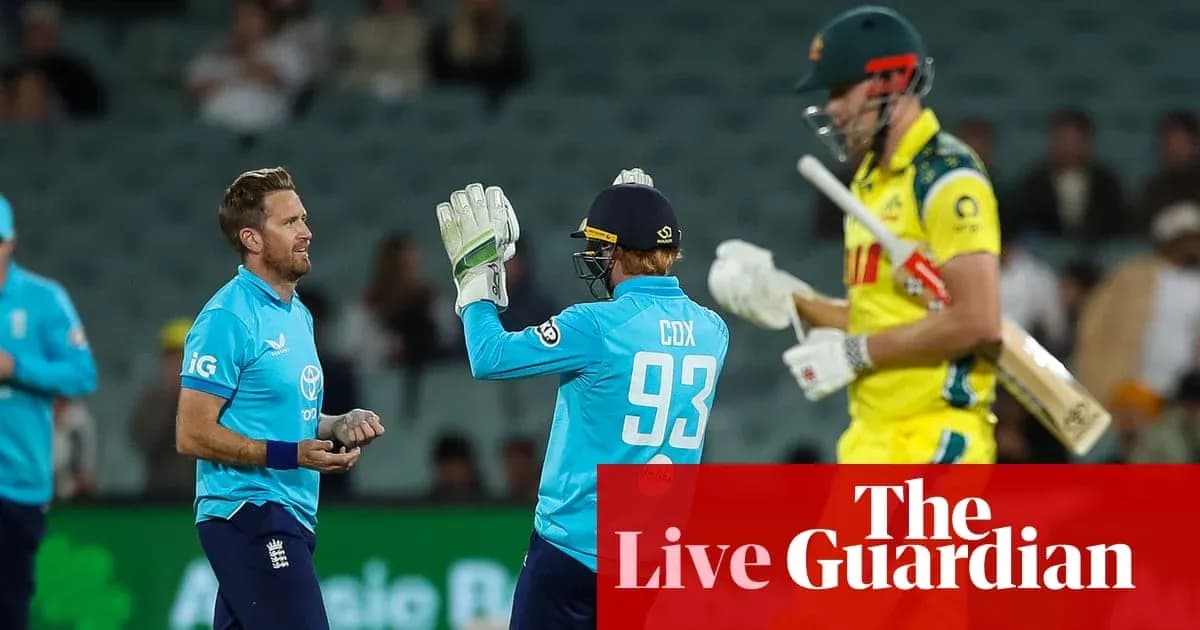
The plan to bounce him out finally produced his wicket, but only after he had done the damage. Xavier Bartlett, Australia’s main threat with the ball, banged in back-to-back bouncers that Banton helped himself to, lifting both into the stands. The third short ball did the trick, Cameron Green diving forward at deep midwicket to cling on. Bartlett could claim tactical vindication, but the scoreboard told a harsher truth.
Root’s platform, then a rare rush of blood
At the other end, Joe Root played the familiar anchoring role with icy clarity. On his 201st ODI appearance, his balance at the crease and command on the front foot framed a serene 62 from 68 balls. Together, Banton and Root added 137 for the second wicket, a partnership that turned a solid start into a launchpad.
Root reached his fifty from exactly 50 balls, his 70th ODI score of fifty or more, and as England moved to 150 in the 27th over, a first 50-over hundred against Australia looked almost inevitable.
Then, unexpectedly, he blinked.
With England’s middle order itching for time in the middle, Root appeared to push the tempo a fraction too hard. Cooper Connolly dragged him into an uncharacteristic misjudgement, extracting extra bounce as Root tried to haul over the leg side. The top-edge looped tamely to short cover where substitute fielder Liam Scott completed the dismissal. For once, Root’s calculation was off.
Harry Brook, promoted into a perfect situation, couldn’t make it count either. After 11 scratchy balls, he attempted a reverse-style ramp against Riley Meredith and succeeded only in cannoning the ball into the top of his own middle stump for 5. From 150 for 1, England were suddenly 175 for 3 and Australia had a foothold.
Mitchell Marsh sensed it. He shuffled his options cleverly, using six different bowlers in a seven-over spell to keep England’s rhythm fractured through the middle overs. For a while, it worked.
Cox seizes his moment
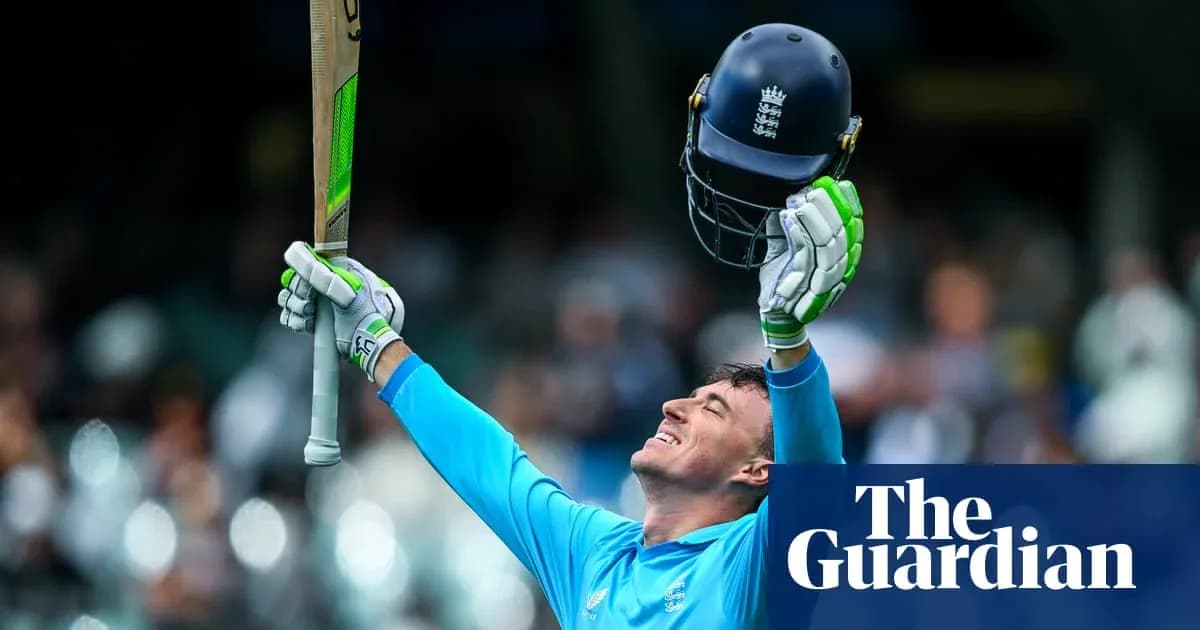
Banton, unfazed, kept marching. He moved to his second ODI hundred from 86 balls, punching Adam Zampa off the back foot to wide long-off to reach the landmark. The celebration was telling: a long exhale, a kiss to the badge on his helmet. Seven years on the fringes of England recognition; now, a man insisting he belongs at the centre.
Once Banton departed, the stage belonged to Jordan Cox.
Like Banton, Cox has had to bide his time. Here, with a World Cup cycle looming and places very much in play, he delivered a 67 from 49 balls that crackled with intent. At the 40-over mark he was 28 from 28, measured, controlled. Then Spencer Johnson returned, and Cox changed gear.
A brutal cover drive signalled the shift. An audacious ramp for four followed. When Jack Edwards dropped short, Cox swatted him one-handed for six to reach a 39-ball half-century. Australia’s earlier squeeze vanished under a fresh wave of strokeplay.
Jacks finishes the job
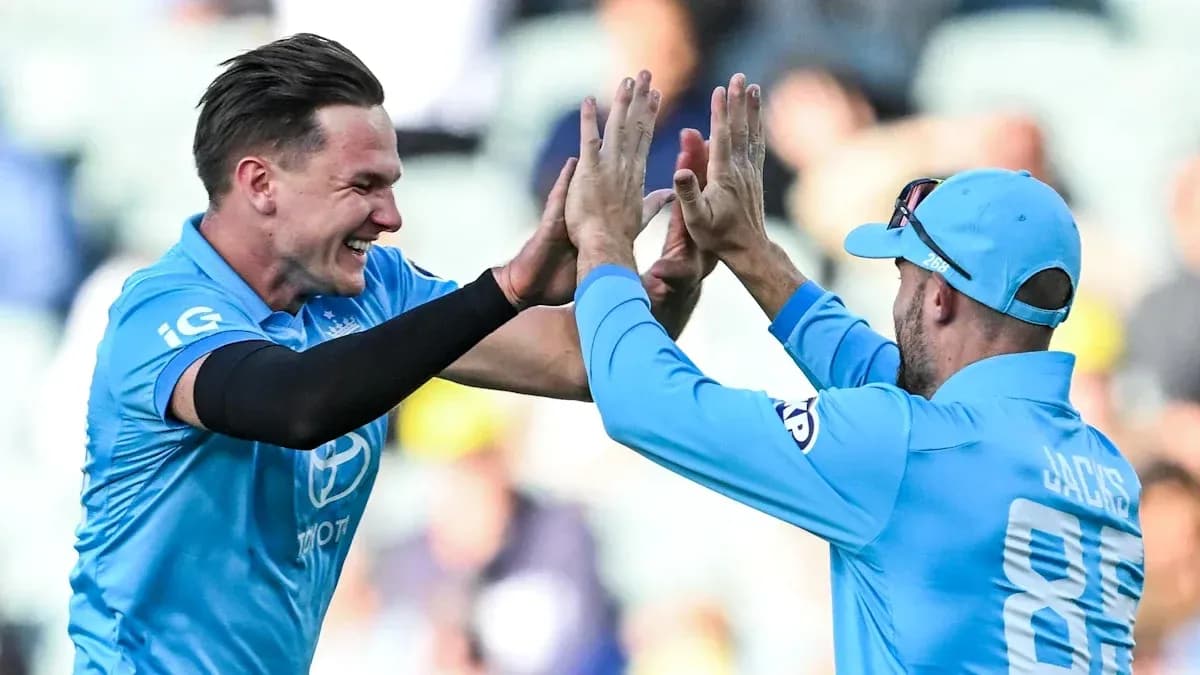
Will Jacks played the perfect foil, but never drifted into the background. He kept the board moving, then accelerated, finishing unbeaten on 54 from 40 balls. He should have gone earlier: on 40, Zampa flung himself at a chance at short third, got a hand to it, and parried what would have been four. The ball dropped, the runs kept coming.
Sam Curran and Gus Atkinson chipped in with brisk cameos as England eyed 350 and then pushed beyond it. Atkinson provided the final surge, launching consecutive sixes in Edwards’ last over to drive England past the psychological mark. Jacks then drilled one final boundary straight back down the ground to close the innings at 355 for 6.
For Australia, Bartlett’s 3 for 72 stood out in a harsh set of figures, his wickets including each of England’s three top-scorers and the early removal of Ben Duckett for 9, caught at point after being hemmed in by disciplined lines. Mahli Beardman, the six-wicket star of Perth, watched from the sidelines, rested after his debut exploits. Without him, Australia stuck at their task on a true Adelaide surface but could never quite regain the authority they enjoyed in the first ODI.
England walked off knowing this was more than a response; it was a reminder. The series is level on the scoreboard, but after a record-breaking day in Adelaide, who really holds the momentum now?