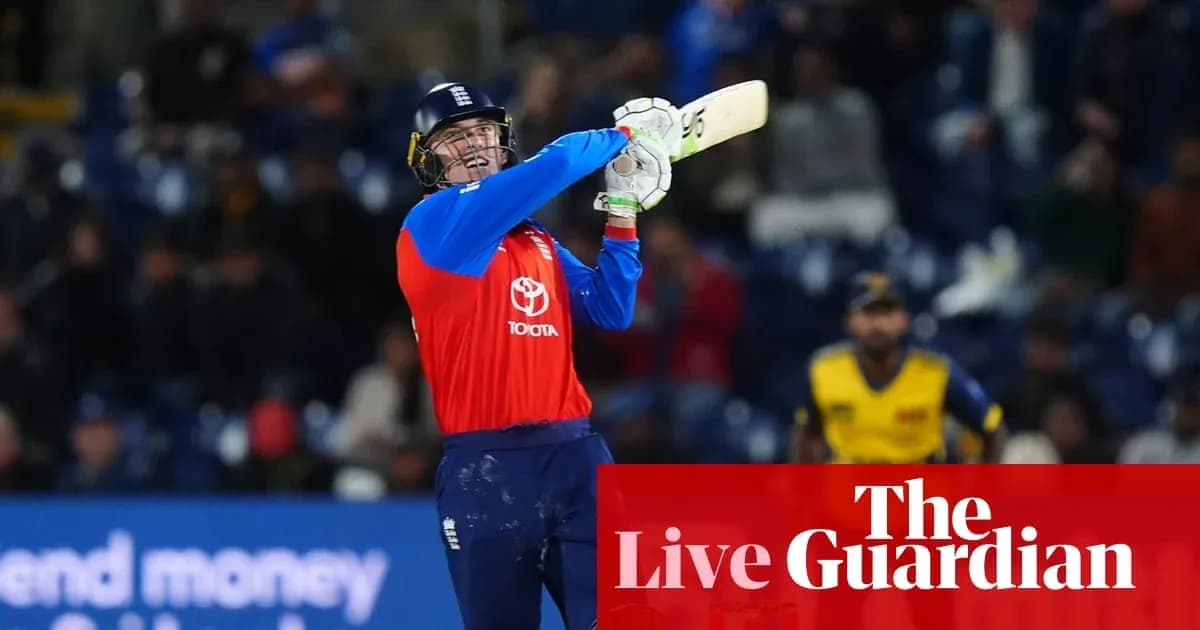
England's Dominance Seals Series Against Sri Lanka in Cardiff
England needed 146. They treated it like a warm-up drill.
On a cool Cardiff afternoon that began with Sri Lanka hinting at resistance and ended in a rout, Harry Brook and Jos Buttler turned a routine chase into a statement win, wrapping up the three‑match series with a swagger that underlined just how dangerous this England side has become.
Dawson turns the tide
For a while, Sri Lanka were exactly where they wanted to be. Fifty-five without loss, both openers settled, England’s seamers searching for rhythm. Then Liam Dawson walked in and flipped the game on its head.
Introduced in the fifth over, the left-arm spinner broke the opening stand and, with it, Sri Lanka’s composure. His spell didn’t just bring wickets; it dragged the innings into a different gear. From 55-0, the tourists lurched to 95-5, then 145-9, never really recovering once the slide began.
Overton chipped in, Archer hit his straps, Adil Rashid did what Adil Rashid does at the death, and Baker – the least experienced of the lot – bowled like a man who had no intention of giving his shirt back.
Dawson’s key moment came when Shanaka, desperate to break free, heaved high into the leg side. Tom Donald, who had just shelled a chance earlier in the over, steadied himself on the run and clung on, trapping the ball between his thumbs. Relief, redemption and, for Sri Lanka, the sense that the match was slipping away.
From there, England hunted in a pack. Overton’s slower-ball cutter cramped Mendis and took out off stump. Rashid forced Asalanka to miscue to long-off. Baker, all craft and control, kept dragging his pace back, his back-of-a-length variations strangling any late charge. He finished with 1-15 from four overs, capped by a wicket maiden in the 19th that left Sri Lanka gasping for runs they never found.
Archer closed the door with ruthless efficiency. Chameera’s middle stump went cartwheeling to a full, straight dart, and Ratnayake soon followed, picking out Brook at mid-on after the captain had brought the fielder up precisely for that shot. From 55-0 to 142-8, then 145-9. A promising start, dismantled.
Hasaranga’s late surge – a flurry of blows down the ground and over long-on – dragged Sri Lanka towards something resembling respectability, but 146 on this pitch, against this batting line-up, always felt light.
Buttler rewrites the record books
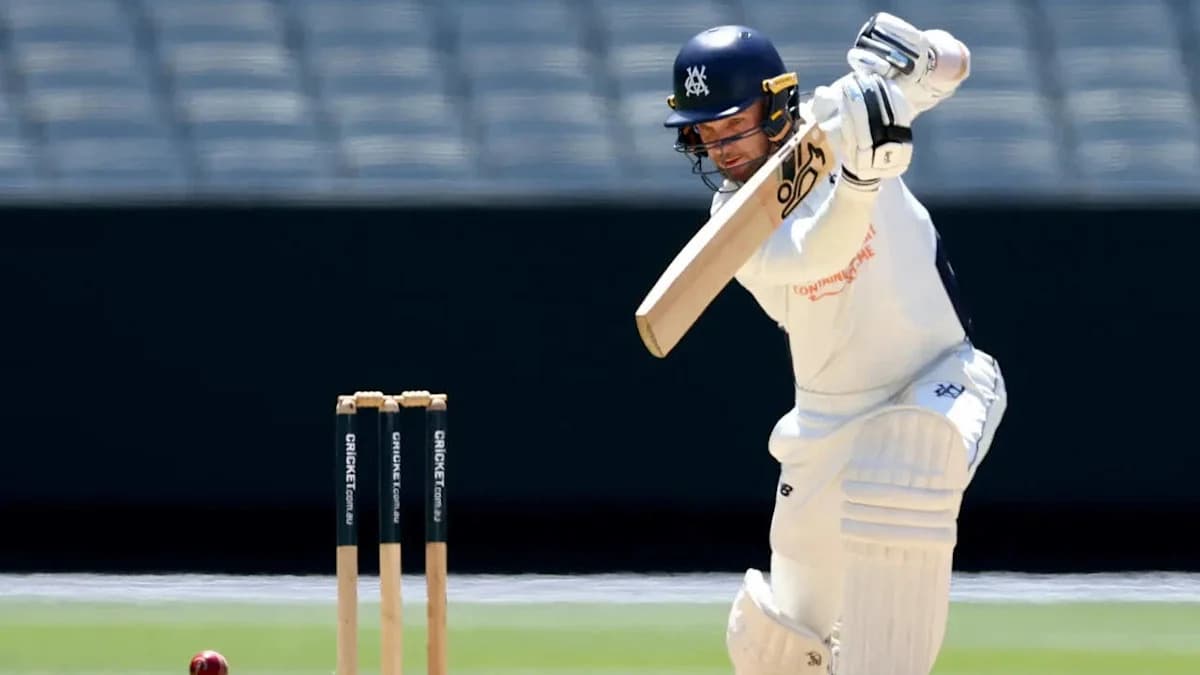
Jos Buttler walked out needing one run to stand alone as the highest run-scorer in T20 internationals. He got it with a nudge to point and moved past Kieron Pollard, then spent the rest of the powerplay reminding Sri Lanka why his numbers look the way they do.
After a quiet first over against Madushanka, the assault began. Donald had already signalled England’s intent by stepping away to Chameera and flipping him over his own head for six, then muscling him over midwicket and through the leg side for 16 off the second over. Shanaka was chasing the ball with his field, and still couldn’t plug the gaps.
Then Buttler took over.
Against Madushanka, he leaned into one and threaded it past mid-on. The bowler saw a scoop coming and took the pace off; Buttler simply reverse-scooped him for four instead. Next ball, he shimmied down and lashed a cover drive to the rope. Another delivery disappeared over wide long-off. Eighteen from the over, all to Buttler, and Sri Lanka looked short of fielders and ideas.
Hasaranga’s introduction offered no respite. Buttler went back to a short ball and launched it out of the ground, straight into the river beyond. “Beautiful violence” barely covered it. By the time the powerplay ended, England were 50-2, ahead of the rate, and Buttler had set the tone even as he departed soon after, top-edging a pull off Chameera to short third for 30.
He left with the game virtually done and a record to his name.
Brook’s brutal clarity
If Sri Lanka hoped Buttler’s exit might slow England, Brook put that thought away with three swings of the bat.
On 79-2, with the chase well under control, he decided control wasn’t enough. Waiting on Hasaranga, he hauled him over square leg for six – England’s third of the innings, already surpassing Sri Lanka’s tally from their full 20 overs. A dot ball followed. It didn’t matter.
Brook moved his feet, cleared his front pad and launched another six over wide long-on. Next ball, he didn’t bother moving at all, simply standing still and sending a third consecutive six over midwicket. Hasaranga, Sri Lanka’s trump card, looked suddenly mortal. Brook looked like he was playing a different sport.
This was not risk-free slogging. It was calculated, cold, and emphatic. Brook read the length early, picked his spots and hit with a conviction that drained what little life remained in the contest.
He eventually fell for 23, trying to go big again and this time finding Malinga at deep square leg. The fielder flung himself forward and clung on to a spectacular catch, the kind of grab that would normally swing momentum. Here, it barely registered as more than a highlight in a game already gone.
Donald’s homecoming and England’s depth
Alongside the fireworks, there was a quieter story. Donald, playing on his home ground, walked out to an ovation and responded with the kind of intent that has become non-negotiable in this England side.
He took on Chameera early, stepping away to open up the leg side, flipping and cuffing him for 6-4-4 in three balls. Not every strike was middled, but every stroke carried purpose. By the time he miscued a slower ball from Malinga to Hasaranga at mid-on for 21, he had done his job – ripped the early nerves out of the occasion and pushed Sri Lanka on to the back foot.
Behind him, the batting kept coming. Banton, Jacks, Cox, the all-rounders. England could afford to attack because they knew they were stacked all the way down. That depth framed every decision: Brook’s aggression, Donald’s ambition, Buttler’s freedom to go hard in the powerplay.
Sri Lanka, by contrast, never found that second wave. Once the top order went, Asalanka and Hasaranga were forced to balance survival with acceleration. Asalanka tried to anchor, then perished to Rashid when he finally aimed over the top and didn’t get enough of it. Hasaranga’s brief counterattack – an uppercut off Archer, a skip down the pitch to Dawson, a couple of clean blows straight – only underlined how far adrift they were.
A team ready for a tournament that isn’t there
By the time Archer speared in his final over and Brook set the field for the kill, this looked like a side in tune with itself. The captain moved his pieces smartly – bringing mid-on up for Ratnayake, holding Rashid back for the squeeze, trusting Baker at the death – and his bowlers responded.
It is, as the commentary noted, England’s misfortune that there is no World Cup until 2028, because this has the feel of a group building towards something. Pace, spin, power-hitting, depth, a captain willing to be bold.
Sri Lanka, meanwhile, leave with a familiar frustration: flashes of promise, a strong start, then a collapse they couldn’t arrest.
England only needed 146 to prove the gap. They made it look like far less. The real question now is simple: when the next global tournament finally comes around, how much stronger can this side get?