England's All-In Strategy for Women's Ashes at Headingley
England have ripped up their original plans and gone all‑in on red‑ball cricket in a bid to finally wrench the Women’s Ashes back from Australia at Headingley next year.
The ECB has confirmed that a proposed Test in the West Indies next April has been scrapped, with England instead committing to a heavy diet of long‑format preparation on home soil before the four‑day Ashes Test in Leeds, starting June 24.
Ashes arithmetic: four points or bust
The equation is brutally simple. Win at Headingley, and England take a huge stride towards reclaiming a trophy they have not held since 2015. Lose, and the mountain steepens again.
In the multi-format Ashes, four points are on the line for the Test. Each white‑ball win – three T20Is and three ODIs – is worth only two. To get the urn back, England know they will almost certainly need at least nine points. That makes the Headingley clash the series’ beating heart.
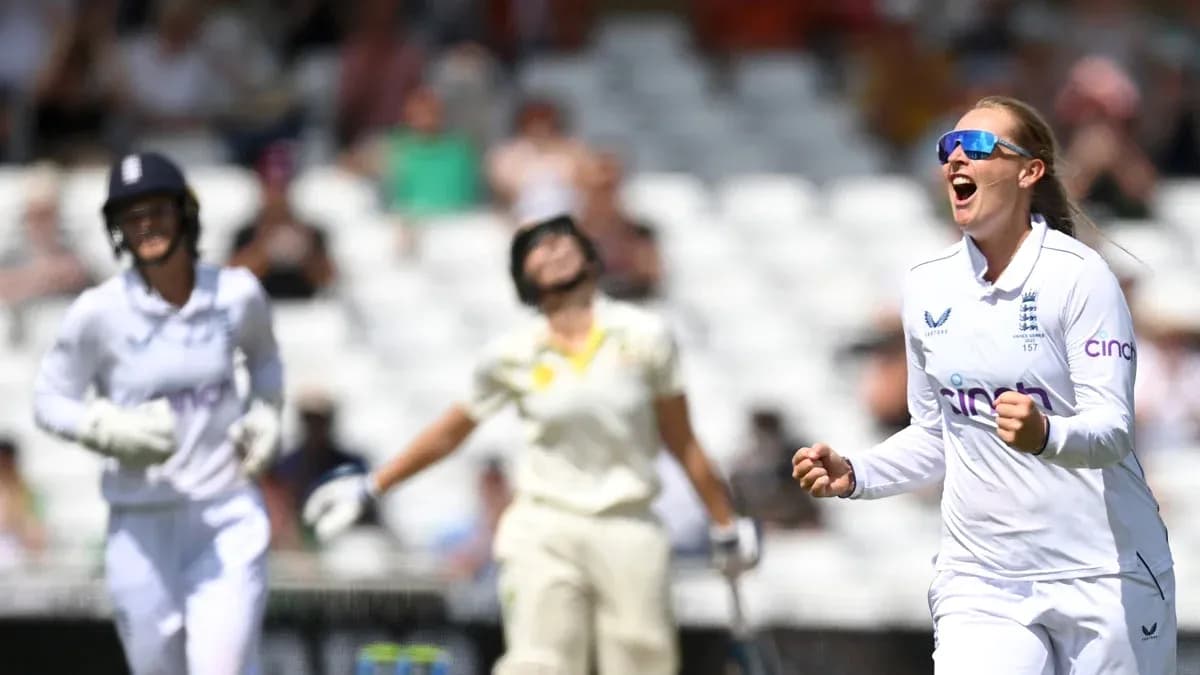
History has not been kind. Since Meg Lanning’s Australia regained the Ashes 11-and-a-half years ago, England have twice dragged the contest to 8-8 – away in 2017-18 and at home in 2023 – only to watch Australia retain the trophy. The most recent series, in 2024-25, was a brutal 16-0 sweep to Australia, a result that has clearly sharpened minds at the ECB.
Australia’s win in the Trent Bridge Test in 2023 told its own story. England took four of the six white‑ball games that followed, yet it didn’t matter: the Test result locked the urn away. This time, England are building everything around making sure that doesn’t happen again.
India, not the Caribbean
The new plan starts far from Yorkshire. In January, England will head to Bengaluru for a 10-day warm‑weather red‑ball camp, a block of work designed to hard-wire longer spells, longer innings and longer days back into a group that now spends most of its year in coloured clothing.
After the inaugural ICC T20 Champions Trophy in February, the original schedule had England flying to the Caribbean for a multi-format series that included what would have been West Indies’ first women’s Test since 2004. That fixture is gone.
The ECB confirmed overnight that the tour has been reshaped, with the governing body explicitly prioritising preparation in home conditions and the chance to expose more players to red‑ball cricket.
“Accommodating this thorough programme of preparation in home conditions has necessitated revising the schedule of matches for England Women’s tour to West Indies in April, which is due to take place once the English domestic season is already under way,” the ECB said in a statement, thanking Cricket West Indies for its cooperation.
The tour will now consist of three IT20s and three ODIs only. No Test, no compromise on the Ashes build‑up. It mirrors a decision taken last year, when Australia and West Indies also shelved a proposed Test to focus on T20 World Cup plans.
Four matches to harden the edge
Instead of that Caribbean Test, England’s leading players will stay closer to home and play four red‑ball practice matches before Headingley.
The centrepiece is a three‑day game against Australia A in the immediate run‑up to the Test. Around it, England will stage three further “best versus best” red‑ball matches, designed to create genuine competition for places and to stretch a wider pool of players across multiple days in English conditions.
For head coach Charlotte Edwards and her staff, this is more than rehearsal. It is selection pressure, form under scrutiny, and a rare chance to look properly at England’s red‑ball depth.
ECB chief executive Richard Gould underlined the significance of the Headingley contest.
“(The Test) will undoubtedly be one of the highlights of the summer and is worth four points in the multi-format series, so it is important that our players have the right preparation leading into the match and are given the best chance to succeed,” he said.
He pointed to the twin pillars of the plan: “A 10-day warm-weather red-ball camp in India followed by four further matches in English conditions will provide Charlotte Edwards and her team with the appropriate game time to be ready for that challenge.
“Best versus best in English conditions provides a valuable opportunity for the team. It also allows us to assess our strength in depth, give opportunities to more players and get a number of competitive multi-day cricket matches across a longer period into the wider group.”
Australia’s path – and the KuGompo tune‑up
Australia, for now, are playing their cards more quietly. They have not yet confirmed whether they will schedule a three‑day warm‑up before Headingley, though they have previously taken on England A in red‑ball games ahead of their last two away Ashes series.
What they do have locked in is a crucial piece of their own preparation. Sophie Molineux’s side will play their first Test since March when they meet South Africa in KuGompo City next April, a timely chance to reacquaint themselves with the format before they cross to England.
Both sides, then, will arrive at Headingley with fresh red‑ball cricket in their legs. England will hope that home pitches, home crowds and a rare, deliberate build‑up tilt the balance.
The 2027 stage
The Ashes summer itself is neatly carved. The four-day Test opens at Headingley from June 24-27. The T20Is follow at Trent Bridge on July 3, The Oval on July 6 and Old Trafford on July 9. The ODIs then roll through the Rose Bowl on July 13 and Lord’s on July 16.
By then, the question will be simple. Has England’s gamble on volume, on time in the middle and on the grind of red‑ball cricket finally given them the edge they have been chasing for more than a decade?