England's New Pace Pack: Echoes of 2005 and Ashes Aspirations
Marcus Trescothick has seen this movie before. Different dressing room, different era, same glint in the eye when he talks about fast bowlers hunting in a pack.
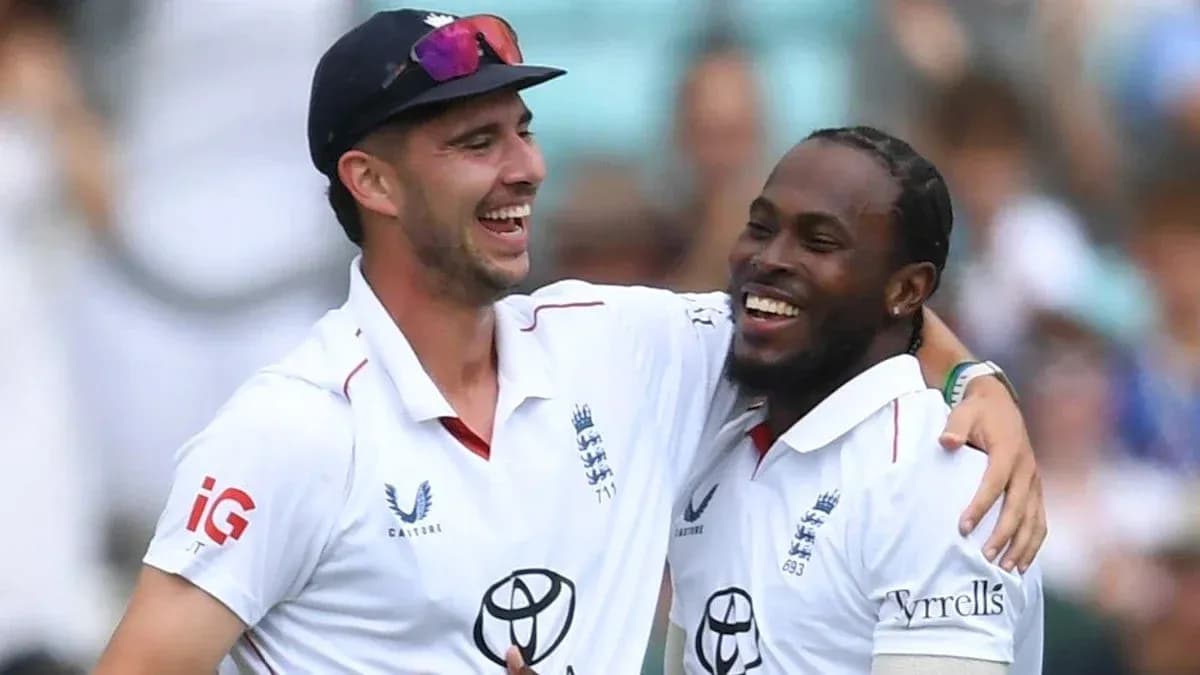
Back in 2005 he opened the batting while Stephen Harmison, Matthew Hoggard, Simon Jones and Andrew Flintoff tore into Australia and ripped the Ashes away. Now, as interim head coach, he looks out across Lord’s and Edgbaston practice strips and sees another quartet beginning to form its own identity: Ollie Robinson, Jofra Archer, Gus Atkinson and Josh Tongue.
The comparison is a bold one. Trescothick doesn’t shy away from it.
“We do have some real skill, and you look back to 2005 and the sort of comparisons of Harmy, Fred, Simon and Hoggy, you could easily make those sort of comparisons,” he said, leaning into a subject he knows better than most. For the first time in a long time, England’s Test attack feels like a unit, not just a list.
What began as a scramble to replace Ben Stokes’ all-round presence has quickly become something more coherent. Stokes’ retirement ended a turbulent stretch: only two wins in 10 Tests, momentum draining away, the Bazball bravado starting to feel thin. His departure forced a rethink of balance and identity. Joe Root stepped back into the captaincy. The selectors went heavy on seam and light on spin. And suddenly, England started winning again.
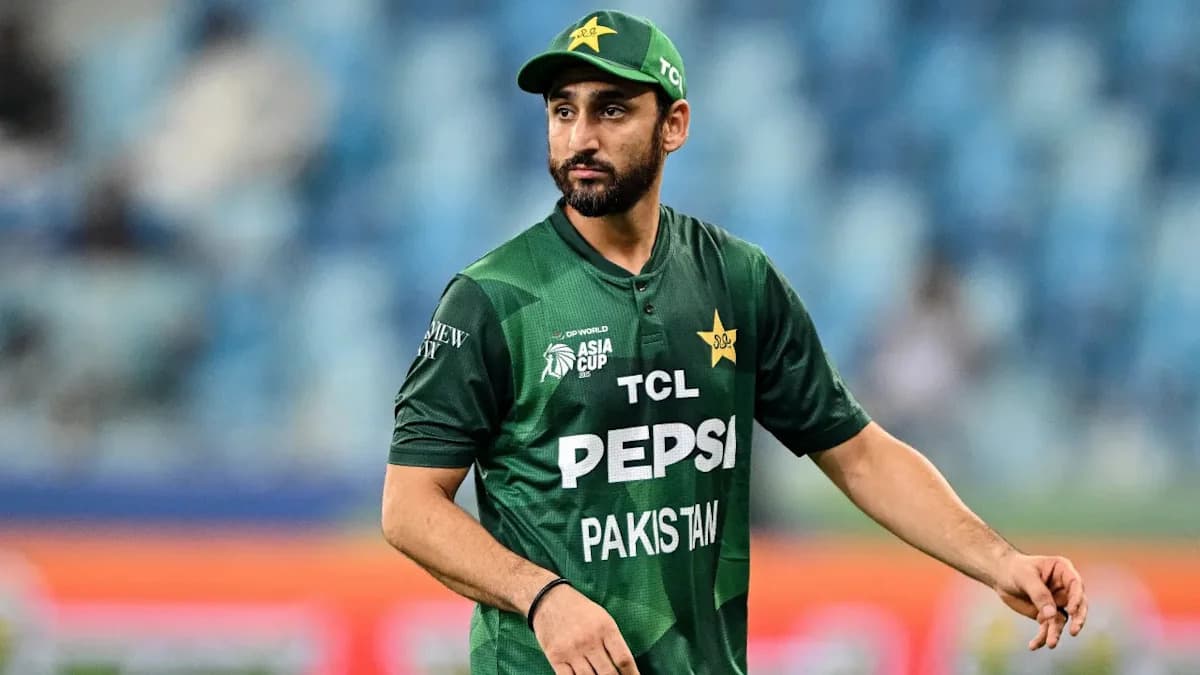
Two straight victories over Pakistan have secured a first series win since 2024. The method has been clear. Four frontline quicks, no specialist spinner, and Dan Lawrence offering a few off-breaks when the pitch or the clock demands a change of pace. It looks old-fashioned on paper. On the field, it has looked ruthless.
At the heart of it all is Robinson, the outlier in a battery otherwise stacked with raw speed. Archer, Tongue and Atkinson can all push 92mph, the kind of pace that makes batters hop and helmets feel a touch too loose. Robinson, by contrast, often operates below 80mph with the wicketkeeper standing up, nagging away at a length, seam tilted, eyes fixed on a fraction of movement.
The numbers are brutal. Twenty-three wickets this summer at an average of 8.3. That is not a purple patch; that is domination.
“We’ve got a good contrast in what we’re trying to do at the moment,” Trescothick said. “What we do have is three guys bowling at 92 miles an hour, which is really nice to have in your armoury and to have the potency in what you’re trying to do.
“And the more that they play together and the more experience that everyone gets together, then it fits into place to how you want it to be.”
The echoes of 2005 are obvious. Harmison’s hostility, Hoggard’s swing, Jones’ reverse, Flintoff’s heavy length and heart. Now Archer brings the shock factor, Tongue the awkward angle and late lift, Atkinson the skiddy pace, Robinson the metronome. Different characters, similar blend.
Not everyone is ready to elevate them to that level. Writing in the Telegraph, Michael Vaughan, the captain who marshalled that famous 2005 attack, drew a clear line in the sand. This group, he argued, can only truly be compared with his once they win a major series.
But Vaughan also issued a warning to Australia. “They are certainly capable of doing something really special, and winning back the Ashes for England next summer,” he wrote. Coming from the man who lifted the urn in 2005, that carries weight.
For now, the task is more immediate. England head to Edgbaston for the third Test against Pakistan on 9 September, chasing a 3-0 clean sweep. The squad for Birmingham will be named in the coming days, and the temptation will be there: rotate, reward the back-ups, spread the workload in a packed schedule.
Seven quicks were originally named for Lord’s. Brydon Carse was part of that group before being removed following an incident outside a nightclub in Derby. With investigations by the police and the Cricket Regulator ongoing, he is not expected to be considered again until those are complete.
In his absence, Sam Cook, Sonny Baker and Matthew Fisher form the reserve brigade. Between them they have only four Test caps, a reminder of how quickly England have had to rebuild their depth. Edgbaston might have looked the perfect stage to blood one or two of them.
Trescothick does not sound convinced.
“First and foremost I want to win the series 3-0, and I think if you’re going to do that you want to play the most consistent team possible,” the 50-year-old said. The message is clear: sentiment and experimentation can wait.
The schedule offers a sliver of breathing space. “We’ve got to see how they all pull up from this game, and they’ve got four or five days now of break which they’ve not had for a good period of time because the schedule has been so busy.
“Once we know that then we’ll be able to make that decision, but emphasis massively on winning the series 3-0.”
That is the immediate target. Beyond it lies a bigger question. If this quartet stays fit, keeps learning, keeps bowling in partnerships rather than in isolation, could they really be the heirs to 2005 – and the attack that drags the Ashes back to England next summer?