England's Test Transformation: A Summer of Change
The last Test of the English summer begins with a chill in the air, a Dukes ball that has ruled like few before it, and Kevin Pietersen back in England kit for the first time in 12 years. White-ball, yes, and only as a “specialist mentor” to Harry Brook’s emerging crew, but the sight of KP back in team colours underlines the sense of transition hanging over this week.
Edgbaston hosts the final act. It feels less like a curtain call and more like a pause in a story that has been ripped up and hastily rewritten.
Root’s rebooted England
Back in March, nobody drew it up like this. England 2-0 up with one to play in their second home series of the summer was part of the script. Everything around it has been improvised.
Ben Stokes has gone. Brendon McCullum has been nudged into white-ball territory. Stephen Fleming is on his way as the new Test head coach. In the meantime, Joe Root has been handed back the captaincy and asked to oversee something that looks suspiciously like a deprogramming exercise.
The more extreme edges of Bazball have been quietly shaved off. The message now is not “attack at all costs” but “read the game, then go”. Adaptability over dogma. Nuance over noise.
All of this has played out against a backdrop that has favoured the bowler and punished the ego. The Dukes ball has jagged and wobbled, seam movement dictating terms. A wicket has fallen every 40 balls on average in England this summer. Not since the 1880s has the game moved this quickly between dismissals.
That this has happened in the hottest English summer since the age of WG Grace only sharpens the contrast. Batters have not been flayed by flat pitches and brutal workloads on bowlers. They have been strangled by movement.
Twelve months ago, all five Tests against India went the distance. Runs flowed, quicks limped off with heavy legs and sore backs. This time, Ollie Robinson has ambled in and nicked out 23 wickets at eight runs each. Ben Duckett’s 113 at Trent Bridge remains the only England century of the season.
Root, whose own average sits just under 30 with a nagging pattern of lbw dismissals, wanted that context on record before a ball is bowled in Birmingham. This is the time of year when players traditionally scrap for winter tour places, and the captain is determined that numbers alone will not dictate who boards the plane to South Africa in December.
Selection, standards and a tired summer
Jacob Bethell’s eventual return from knee surgery will crowd the top order even further, but that is a problem for another day. For now, Root has asked the likes of Emilio Gay, Jordan Cox and Dan Lawrence to forget about spreadsheets and itineraries.
Think about this week. Think about 3-0. Think about what the team needs.
“It’s understanding that the game is bigger than you and your individual achievements,” Root said when asked about Gay. “It is what you do collectively that matters.”
Edgbaston may or may not play along. The pitch is brown, light on grass, and this is uncharted territory for the ground: its first Test in September, and the 47th strip prepared out of 48 this year. Fatigue in the square is one theory. Overheads might matter more.
Recent County Championship games here have seen the ball swing under increasingly autumnal skies. If the Dukes hoops again, the batters could be in for another examination, regardless of how flat the surface looks from the boundary.
The recalibration has not been confined to tactics and selection. England have also turned back to David Young, the sports psychologist who was integral to the 2019 World Cup win and remains contracted for 50 days a year. McCullum never felt the need for him in Tests, preferring to act as the team’s in-house shrink.
The events of this season – late-night drinking incidents, disciplinary chatter, scrutiny on behaviour as much as technique – have shifted that stance. Young is back in the room.
Pakistan’s chaos, England’s chance
If England have been busy rewriting their own manual, Pakistan have simply thrown theirs on the fire.
Seven players and two coaches out. Seven replacements in. An investigation into “discipline and conduct” that has spilled into a phone‑snatching saga. A tour that has lurched from instability into outright chaos, even by Pakistan’s wild standards.
It makes England’s Ashes implosion last winter look almost orderly.
Yet there is always a twist with Pakistan. From here, the only direction is upwards. The element of surprise belongs to them too. Root admitted his staff are light on information about several of the newcomers. That ignorance can be a danger as much as a comfort.
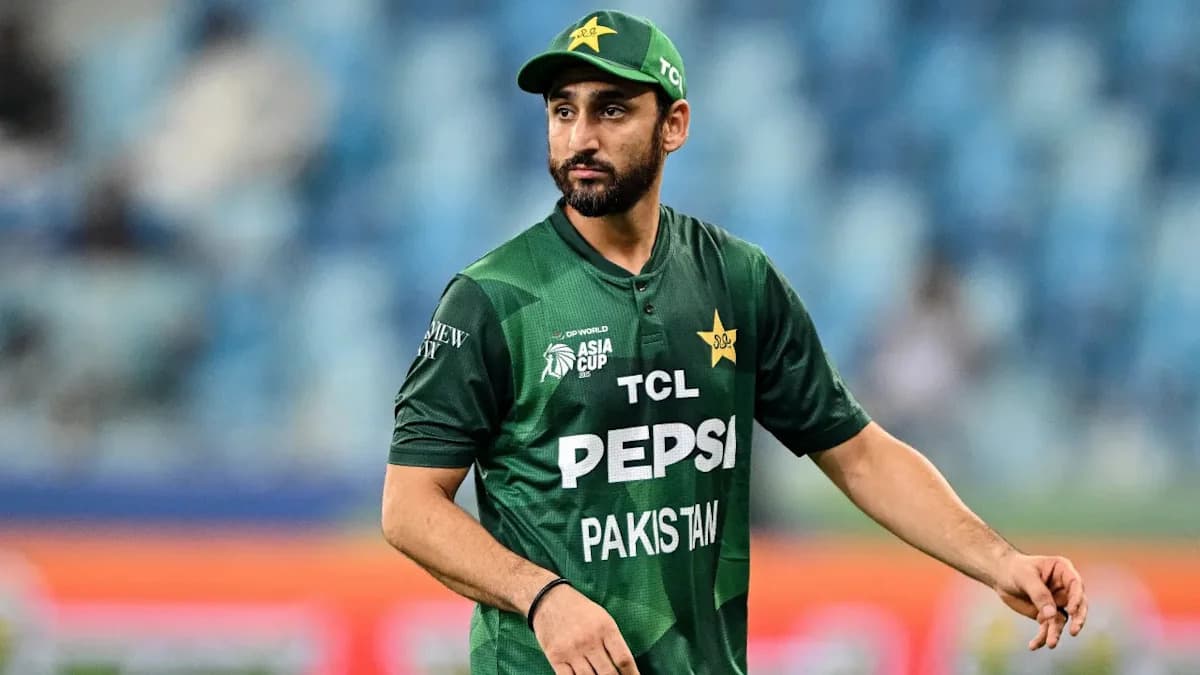
For Babar Azam, who has kept his distance from the mid-tour cull and the off-field disciplinary mess, this week is being framed as a “golden chance” for the next generation. Opportunity out of turmoil.
Among the fresh faces, Ubaid Shah and Razaullah bring youth and pace to support the metronomic Mohammad Abbas. At the top of the order, Saim Ayub offers not just runs but a part-time spin option that could allow Pakistan to mirror England’s four-pronged pace attack without sacrificing variety.
The question is whether that blend, thrown together in a hurry, can derail an England side that has spent the summer learning hard lessons in difficult conditions and still stands on the brink of a 3-0 sweep.
One more Test. A tired pitch, a restless ball, a reshaped England and a Pakistan side trying to find itself on the fly. If this is the end of one phase and the start of another, Edgbaston will decide how the story breaks.