Fatima Sana's Fire and Shafali Verma's Milestone in Dubai
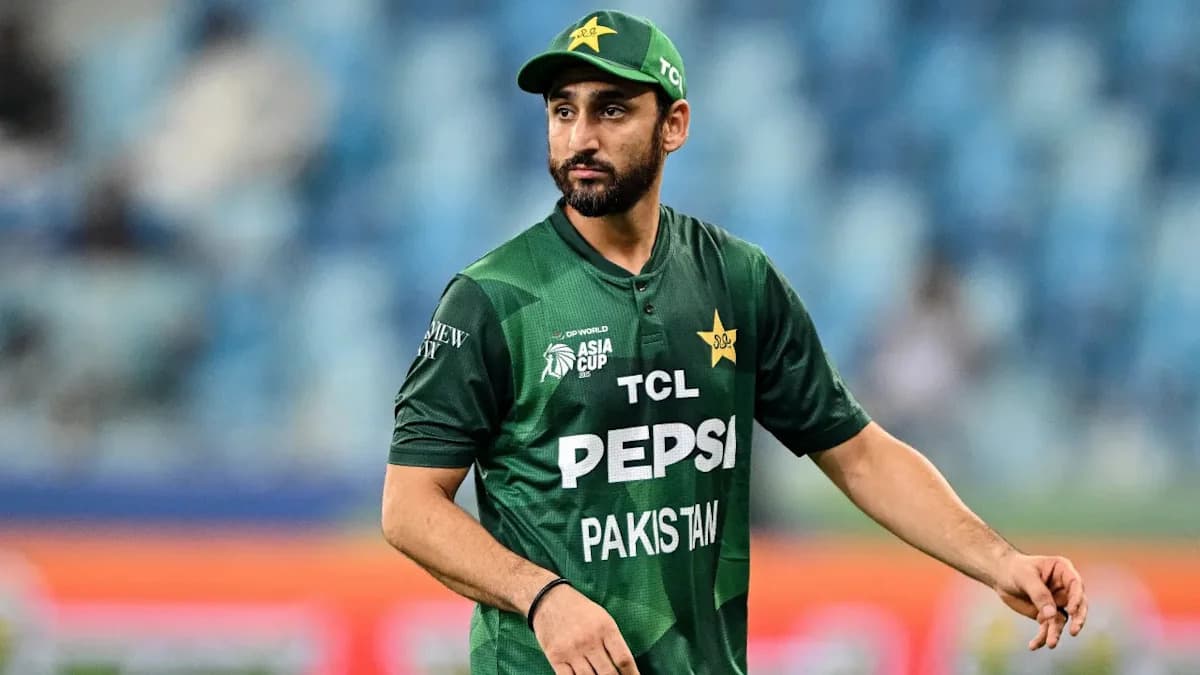
Pakistan’s captain Fatima Sana walked into the Dubai International Stadium with intent written all over her. By the time the game ended, she had three Indian wickets, a viral send-off, and a 55 all-out hanging over her team like a storm cloud.
It was that kind of day: fierce, emotional, and brutally one-sided.
A send-off that lit up a low-scoring game
India’s chase of 56 began with Shafali Verma doing exactly what everyone expected. First ball of the innings, she launched it for six. Statement made.
Fatima, though, refused to disappear into the background of a routine chase.
Third ball of her second over, she dug in a good length delivery that climbed a touch more than Shafali anticipated. The Indian opener shaped to work it through the leg side, but the ball stuck in the pitch, took the leading edge, and looped tamely back down the track.
Fatima held her nerve and the catch. Then came the flashpoint.
The Pakistan captain turned, arm out, sending Shafali on her way with a pointed, animated gesture. No subtlety. No half-measures. A full-throttle send-off in a match where her own batters had crumbled.
Shafali didn’t bite. No glare, no word. She simply turned and walked back, 12 off 6 balls to her name, with one four and that towering six. The contrast was stark: one player crackling with emotion, the other ice-cold in exit.
From the commentary box, Vivek Razdan captured the mood as cameras cut to Fatima: “Okay, you are showing her the way out. Your entire team just scored 55 runs, and now you're sending Shafali Verma back.”
On a day when Pakistan’s batting left little to celebrate, that moment became the talking point.
Shafali’s record hidden inside a stroll
Beneath the noise of the send-off, the numbers told a far more enduring story.
During that brief stay at the crease, Shafali Verma crossed 3,000 runs in women’s T20Is. She didn’t raise her bat to a packed house, didn’t soak in a standing ovation. Yet the record was significant.
At 22 years and 220 days, she became the youngest batter to reach the mark, overtaking Ireland’s Gaby Lewis, who was 24 years and 347 days when she got there. Shafali also got to 3,000 in just 2,182 balls, slicing past Alyssa Healy’s previous benchmark of 2,321 deliveries.
In a chase that felt like a formality, she still managed to etch a milestone into the format’s history.
Pakistan’s decision backfires
The day had started with hope for Pakistan. Fatima Sana won the toss and chose to bat, backing her side to put India under pressure in a marquee Women’s Asia Cup clash.
That belief evaporated quickly.
India’s bowlers hunted in pairs and packs. Pakistan never settled, never stitched together a partnership of substance, never looked like they understood the surface as well as their opponents. Wickets kept falling, the innings kept shrinking.
Shree Charani and Prema Rawat tore through the middle and lower order, taking three wickets each. Deepti Sharma chipped in with two, applying the squeeze with typical precision. Pakistan folded for 55 in 18.1 overs, a total that always felt 40 short in Dubai’s conditions.
From that point, the contest stopped being about the result and started becoming about the manner of it.
Fatima’s fight, India’s control
If Pakistan were going down, Fatima was determined to leave a mark with the ball.
After being struck for six first ball by Shafali, she came back hard. She removed India’s entire top order: Shafali Verma, Smriti Mandhana, and Pratika Rawal. Each wicket carried a surge of energy, each celebration a hint of defiance against the inevitability of the scoreboard.
For a brief spell, there was tension. India three down. A fired-up captain. Fielders chirping. The kind of passage that can flip a low chase into a nervous one.
India never allowed that flicker to grow.
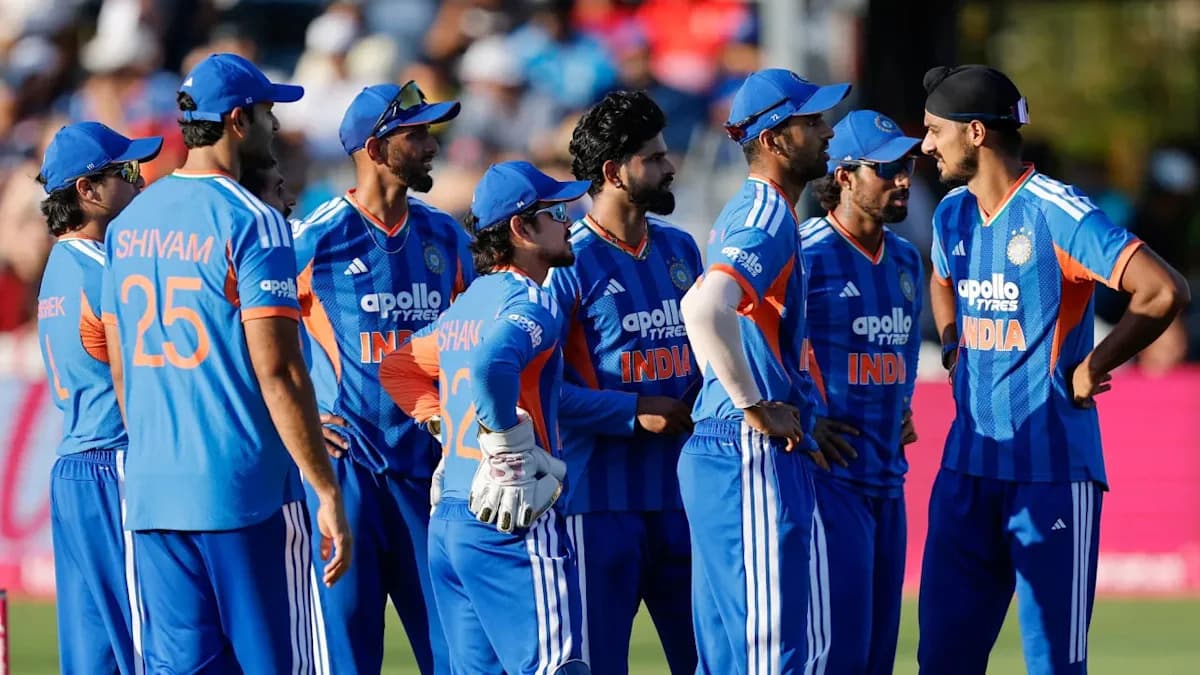
Harmanpreet Kaur walked in, absorbed the situation, and shut the door. Alongside Deepti Sharma, she steered the chase with calm assurance. No panic, no rush. Just professional, measured batting against an attack that needed miracles.
Harmanpreet finished unbeaten on 18, Deepti on 12. India cruised home with seven wickets in hand and a massive 68 balls to spare, a gulf that underlined the difference between the two sides on the day.
Fire, frustration, and what comes next
Fatima Sana left the field with figures that spoke of pride in the middle of a collapse: three wickets, genuine hostility, and the most replayed moment of the match. Her send-off to Shafali will divide opinion, but it also revealed a captain still fighting when the scoreboard said the battle was already lost.
Shafali, meanwhile, walked away with something far more enduring than a highlight clip. A milestone at 22. A scoring rate that has already reset expectations in women’s T20Is. Another box ticked in a career that still feels like it’s only just getting started.
Pakistan must now decide what to take from a day like this: the bite of their captain, or the brutal lesson of 55 all out.
India, on the other hand, barely broke stride. And if this is the standard they set in the Women’s Asia Cup, the real question is who can actually drag them into a genuine contest.