Gautam Gambhir's Selection Strategy: Samson Stays, Sooryavanshi Waits
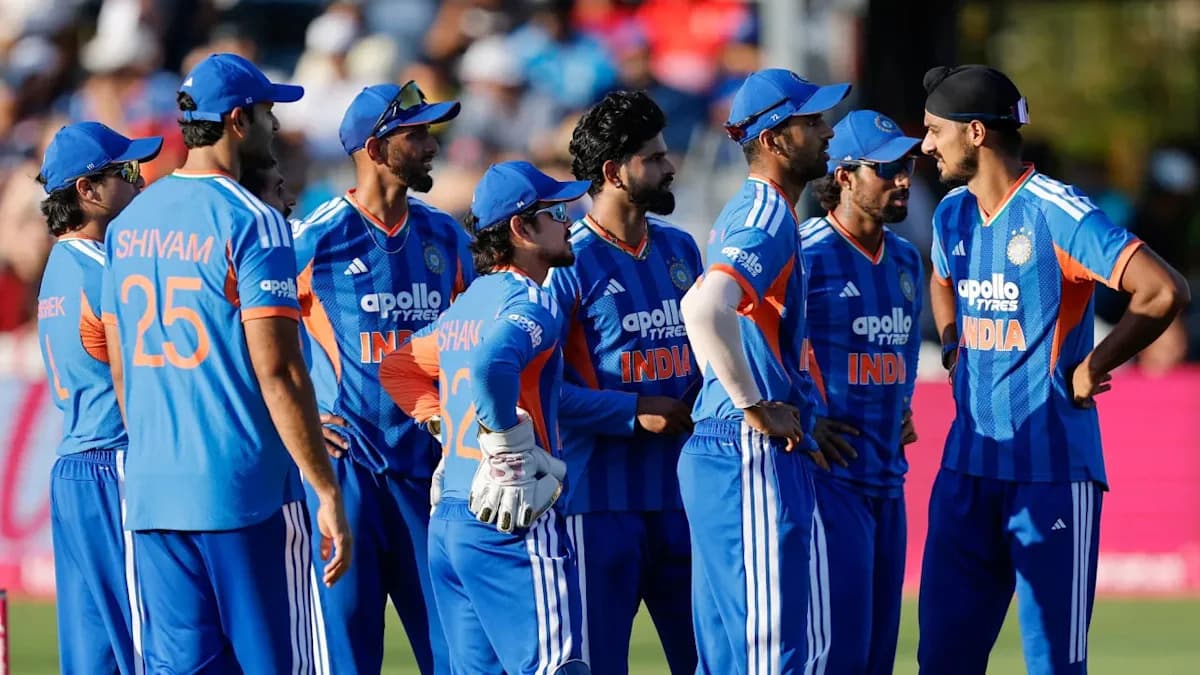
India head coach Gautam Gambhir has put clarity over sentiment in the selection debate, making it plain that Sanju Samson and Abhishek Sharma remain ahead in the pecking order, even as Vaibhav Sooryavanshi waits in the wings after his breakout series in Zimbabwe.
The message was blunt, and it was deliberate.
Seniority over spark – for now
Questions around the handling of Samson and Sooryavanshi had been bubbling since the UK tour, where both were given three games each without making a decisive impact. Neither “set the house on fire”, as the criticism went, and both found themselves under scrutiny.
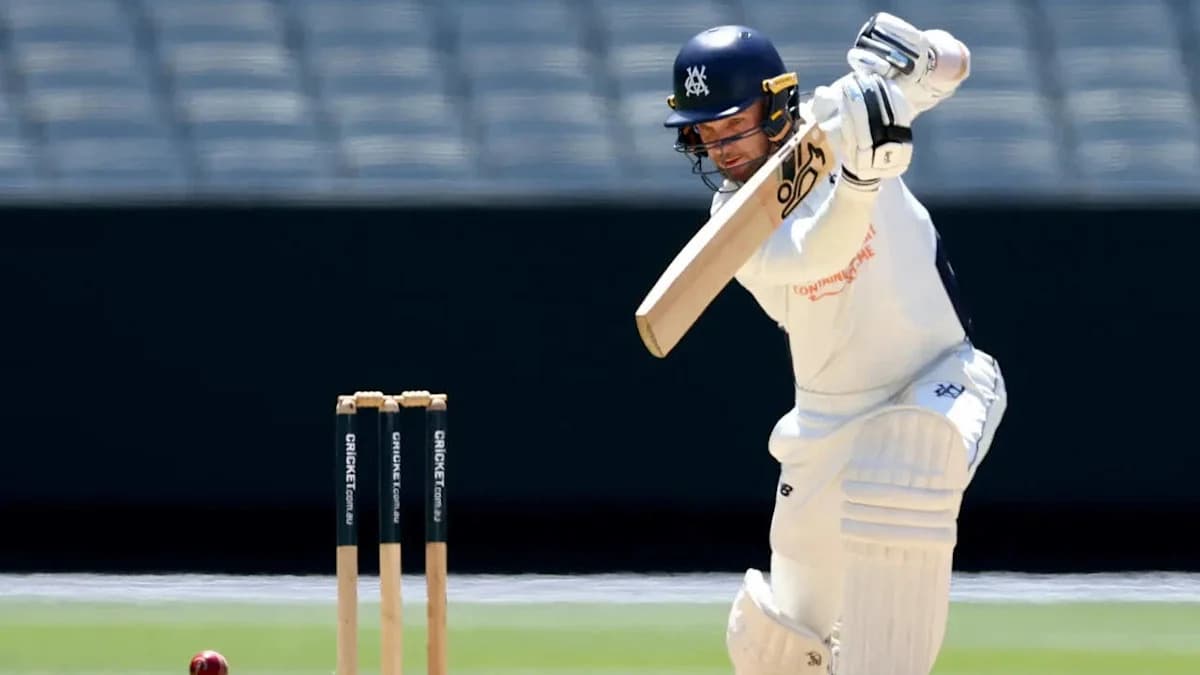
Samson was then rested for the Zimbabwe tour. Sooryavanshi stepped into the vacancy at the top of the order alongside Abhishek Sharma, seized the new ball, scored 151 runs across the series and walked away with the Player of the Series award. It looked like a door had opened.
It closed just as quickly.
When Afghanistan came to town, Samson returned to the XI and Sooryavanshi was pushed back to the bench. For some, it felt harsh. For Gambhir, it was a calculated choice anchored in trust built over time.
“From Vaibhav's point of view, it is again a very clear conversation that he has to wait for his opportunity. We know the kind of talent he has. We know what he can do,” Gambhir told reporters after the match.
Then came the line that really defined his stance.
“Someone who has done extremely well over a period of years obviously will always be ahead of someone who has just got into the team. Whenever he gets that chance, you will get a longer run as well.”
That is the hierarchy Gambhir is putting in place: performances over years trump a single hot series. Promise is acknowledged, but not yet rewarded with a permanent spot.
“And that is what Indian cricket is all about. We want competition, we want that talent in the dressing room. But sometimes that's how cricket goes. Whether it is a 15-year-old or a 30-year-old, you have to wait for opportunity,” he added.
The England call that stung
Gambhir also lifted the lid on just how difficult it has been to manage Samson’s role through a turbulent stretch.
On the UK tour, Samson’s form deserted him. Three low scores – one against England and two against Ireland – forced the think-tank into a call they knew would be unpopular. Samson was dropped from the XI. Sooryavanshi was handed his debut.
The script didn’t flip. The youngster struggled too, failing across his three games, and he was dropped in turn.
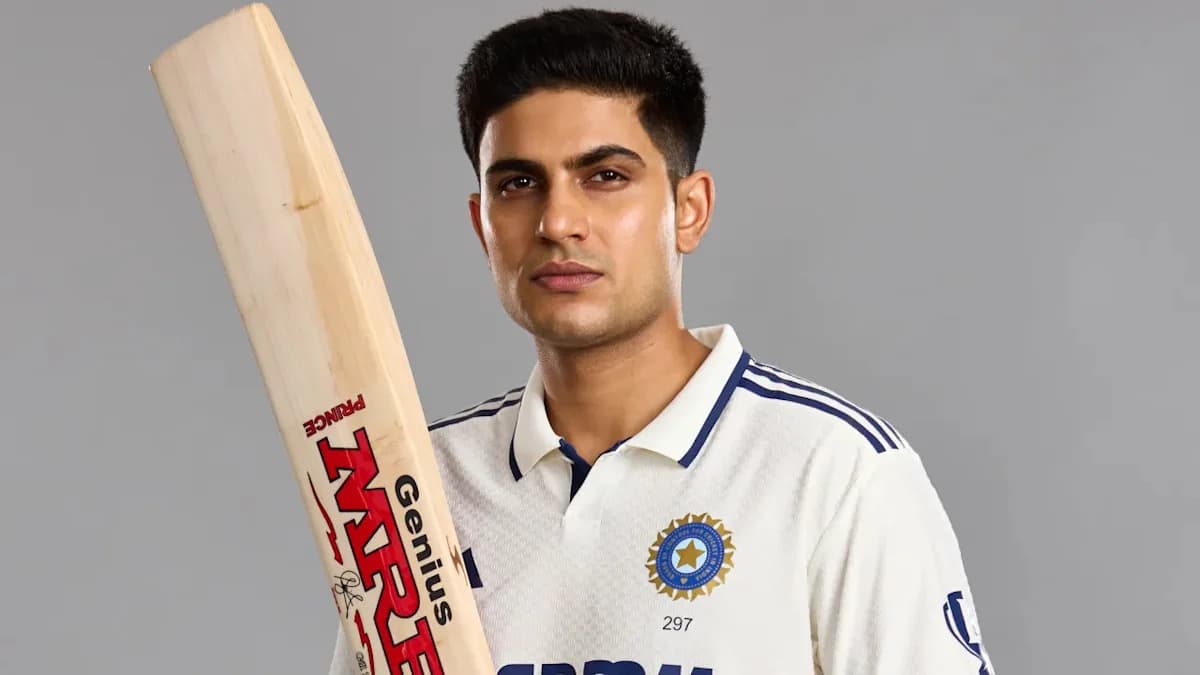
The real twist came later. Samson answered the questions in the only language that matters at this level: runs. In the series against Afghanistan, he struck two half-centuries and reminded everyone why he had been backed so heavily in the first place.
Gambhir did not shy away from admitting how much that earlier decision in England had weighed on him.
“I think Samson showed what he is capable of. Someone doesn't become Player Of The Tournament in the World Cup without having talent, so he has done enough,” he said.
Then he underlined the emotional cost of that benching.
“Obviously, it was tough – probably the toughest decision I have taken in my coaching career, was leaving him out of that England series because of the way he had performed before that.”
Back to the World Cup blueprint
Just as the debate seemed to be drifting towards form alone, Gambhir pulled it back to something more strategic: continuity with a winning core.
“But again, sometimes you go with the players' form as well. From my point of view, I wanted to go back to the combination we had during the World Cup,” he explained.
There was no attempt to dress it up. The World Cup group, in his eyes, had earned the right to endure a few failures without being written off.
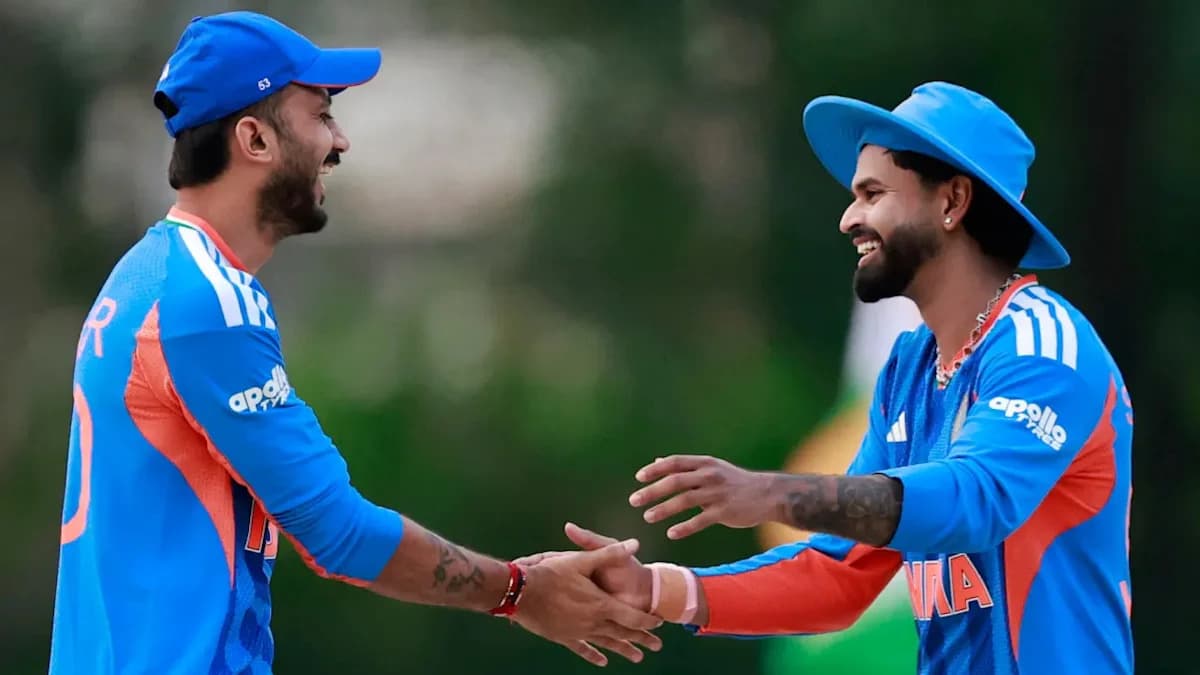
“Because those guys, after three or four failures, don't become bad players. If a team has gone from one World Cup to another one unbeaten and has won the World Cup. Suddenly, it has become a team after one series, and these guys have not become bad players,” Gambhir said.
That is the crux of the selection philosophy taking shape under him: World Cup winners get a longer rope; emerging stars must prove they can do it over time, not just over one series.
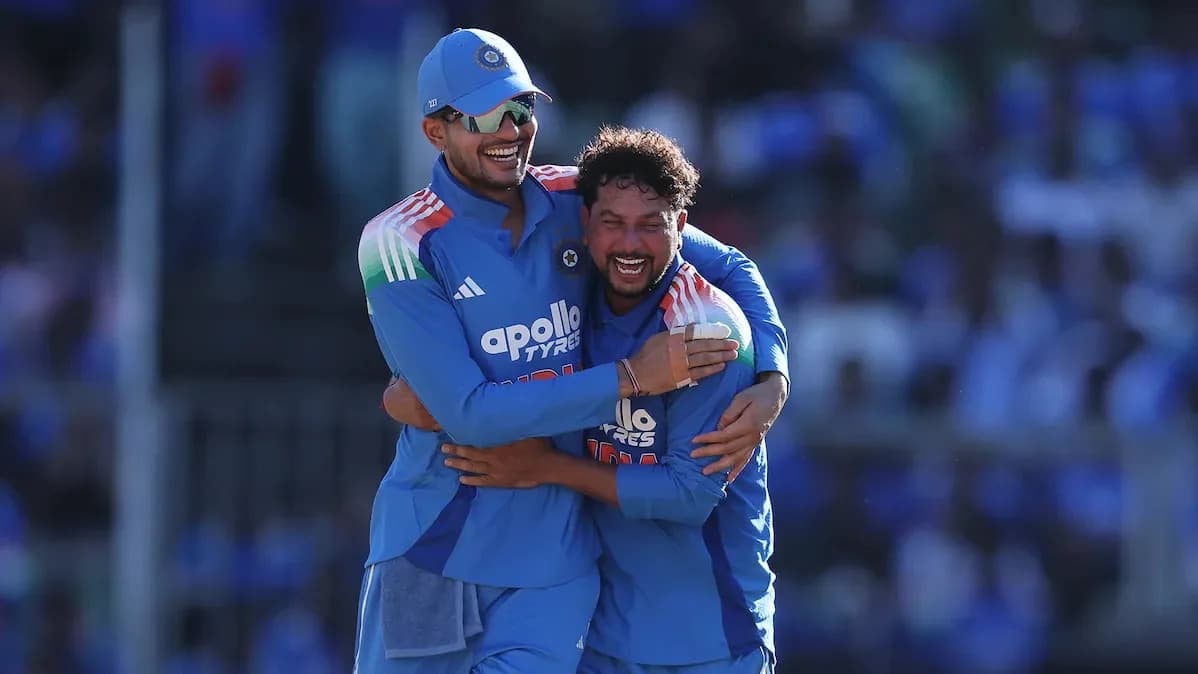
Sooryavanshi, then, sits in a familiar Indian cricket waiting room – talented, visible, but still on hold. Samson, battle-scarred and now resurgent, keeps his place.
The competition Gambhir wants is real. The question now is who forces his hand first.