Greg Chappell Calls for Unity in Australian Cricket Amid Sandpapergate Fallout
Greg Chappell has seen Australian cricket tear itself apart before. He wants no part of it happening again.
As the aftershocks of Sandpapergate rumble on six years after Cape Town, the former captain has called for a ceasefire between past and present players, warning that the sport is in danger of devouring itself.
The latest flare-up began when Usman Khawaja claimed last week that the entire Test team in Cape Town in 2018 knew about the plan to tamper with the ball. His comments reignited a scandal that never truly left the game’s consciousness.
Cameron Bancroft, the man caught on camera with sandpaper, served a nine‑month ban. Then-captain Steve Smith and his deputy David Warner were rubbed out for a year and stripped of their leadership roles. Careers were derailed, reputations shredded, and yet the argument over who knew what, and when, refuses to die.
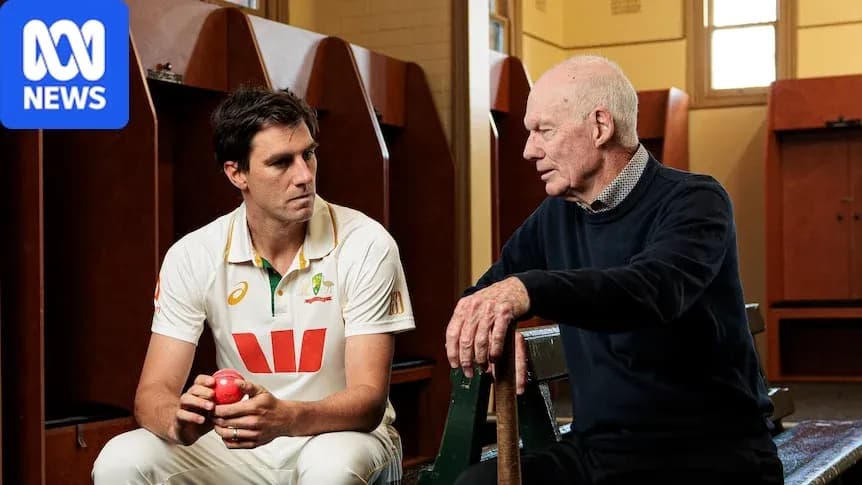
On Friday, Pat Cummins tried to lance the boil.
The Test captain fronted a marathon 70‑minute press conference in Sydney, throwing the floor open to questions on Sandpapergate, ball tampering and just about anything else. No filters, no topic off limits.
Cummins, 33, did not budge. He rejected outright any suggestion he had prior knowledge of the plot to use sandpaper to generate reverse swing in Cape Town, labelling the claims “complete nonsense” and hinting they were “probably defamatory”.
Those remarks landed hard.
Warner, never one to leave a bouncer alone, hit back within hours. The former opener publicly backed every word Khawaja had said and vowed he would not rest until, in his view, the full truth emerged. He also accused Cummins of throwing Khawaja under the bus with his denials.
It left Australian cricket split down familiar lines: current players circling around their captain, former teammates bristling on the outside, old wounds ripped open again.
Chappell, of all people, understands how long a single moment can haunt a sport.
In 1981, with New Zealand needing six off the final ball at the MCG to tie a one‑day international, Chappell ordered his younger brother Trevor to bowl underarm. Legal then, infamous forever. The incident sparked outrage, forced a change in the laws and has followed him for more than four decades.
Asked whether Sandpapergate had finally overtaken the underarm as Australian cricket’s defining controversy, Chappell didn’t hesitate.
“Good luck with that. I think 45 years tells me it will probably be a while before it gets trumped,” he said.
He knows what it is to live with a mistake.
“Mistakes have been made, I think you have to own them,” Chappell reflected. “It would've been a tough time back in 2018 with all of that going on. I don't think you're always ready for these disasters when they happen, but we all make mistakes and they're all human beings.
“They're going to make mistakes, and I think we have to accept that and own those decisions, as I had to do 45 years ago.”
His real concern now is not the original sin in Cape Town, but the civil war it has spawned.
“We don't want to see Australian cricket eating itself and having a little spat within the family,” Chappell said, cutting to the heart of the issue.
He hopes Cummins’ public stand can draw a line under the saga, at least inside the current dressing room.
“Hopefully Pat's put a bit of a line under it and we can start getting on with the summer of cricket,” he said. “It'll be a distraction, but I think they've all had enough experience that when they walk out on the cricket field there's only one thing they're thinking about.”
As for Cummins’ insistence that he knew nothing of the ball‑tampering plan in 2018, Chappell is unequivocal.
“We have to believe it,” he said. “Pat's a very honourable man and very talented on the field, but I think he's very talented off the field as well.
“I think from a cricket point of view they just need to move on and focus on what's in front of them.”
While the debate raged, Khawaja was due to step back into the public eye at a book‑signing event in Merrylands on Saturday. It never happened. Publishers Pelican announced the appearance had been postponed.
So the questions linger. The key figures stand firm in their versions of history. And Australian cricket, again, finds itself staring into a mirror, deciding whether to keep fighting over the past or finally, decisively, walk towards the future.