Harry Brook's Explosive Return to International Cricket
Harry Brook did not just return to international cricket in Southampton. He stormed back, ripped up the script and walked off to a standing ovation with England’s dressing room grinning like they already knew.
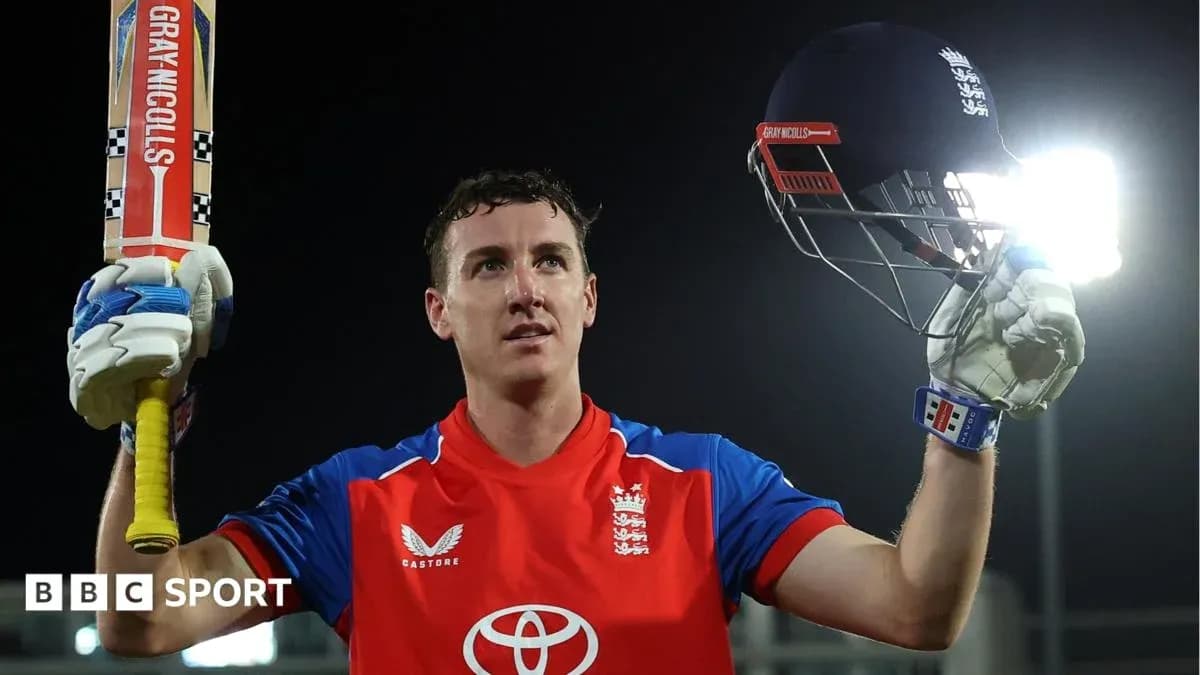
On a warm night at the Ageas Bowl, Brook detonated 114 not out from 49 balls as England crushed Sri Lanka by 119 runs in the first Vitality T20, piling up 254-4 before skittling the tourists for 135. It was brutality with craft, calculation with swagger – and it dragged an old name back into the conversation.
Kevin Pietersen.
The night Brook went full throttle
Brook has spent the summer being told what he hasn’t done. No Test hundred. No defining Ashes epic. A talent, yes, but waiting for the next leap. This innings felt like the answer.
He walked in after debutant Aneurin Donald’s brisk 12, with England 49-1 and Sri Lanka still in the contest. By the time he walked off, the game was long gone.
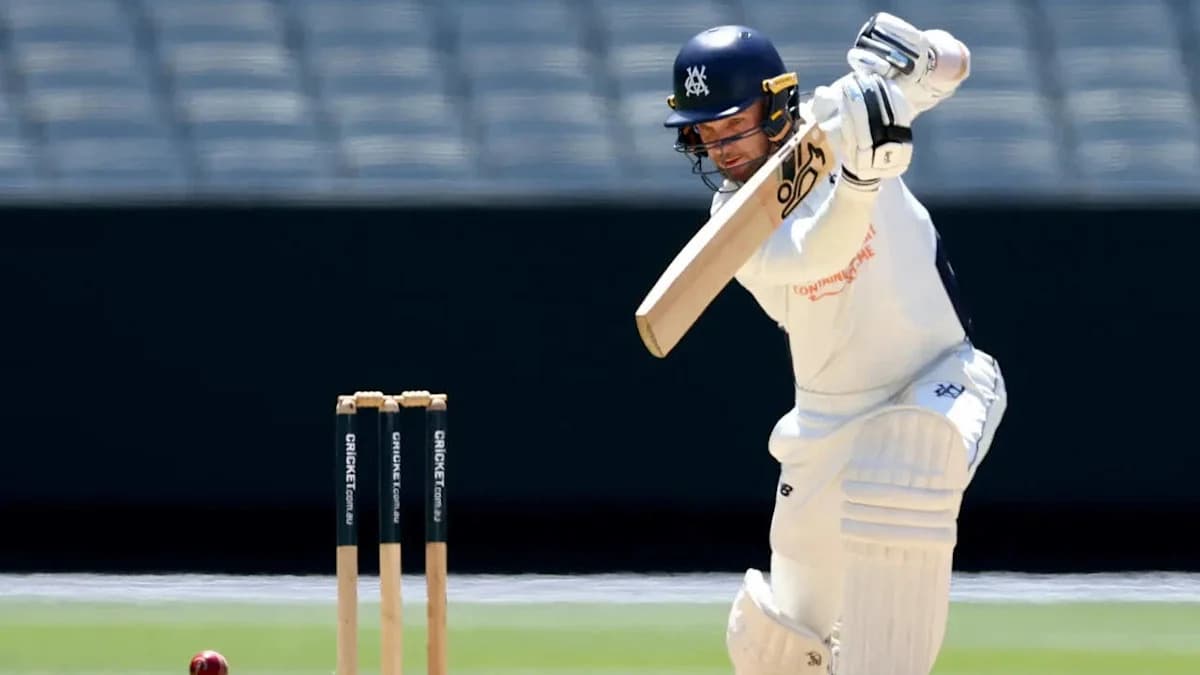
Ten fours. Six sixes. The ball flogged through and over the off side, whipped over mid-wicket, carved behind square. Not slogging. Not pre-meditated chaos. Just ruthless, repeated punishment of anything even slightly off length.
The partnership with Jos Buttler turned a strong start into a demolition. Buttler, almost quietly by his own explosive standards, hammered 80 from 44 balls. The pair added 128, but it was Brook who owned the stage, accelerating again after his captain fell, finishing like a man offended by the idea of easing off.
This was not a cameo. It was a statement.
Echoes of Pietersen
The comparisons came quickly. They were always going to.
Pietersen is back in the England set-up as a mentor through to next year’s World Cup, a lightning rod of a figure whose shadow still stretches across modern English batting. Brook, six years old when Pietersen’s 158 at The Oval sealed the 2005 Ashes, grew up on those highlights. Now he is being measured against them.
The similarities are not in the switch hit – Pietersen’s signature, a shot Brook rarely bothers with – but in something far more fundamental. Both see length earlier than most. Both turn good balls into scoring options. Spinners, in particular, find their best deliveries hacked, pulled, flat-batted and cut into gaps that do not exist for ordinary players.
Brook did it repeatedly here. Balls that should have been defended or nudged were instead drilled through extra cover, slapped over mid-wicket or guided late behind point. The tempo never felt reckless. It felt inevitable.
The attitude matches too. Pietersen once shrugged after falling for 97 in a Test, saying: “I got to 97 playing that way so it obviously wasn’t meant to be.” You can almost hear Brook saying the same thing. Attack first. Live with the consequences.
It is why both have split opinion among England fans. The genius and the risk sit side by side. Ben Stokes, watching on television, had no doubts, calling Brook “an absolute freak” and insisting even Pietersen’s “genius” could not match Brook’s talent. It was the kind of endorsement that turns a big innings into a landmark one.
Numbers that demand attention
Strip away the romance and the numbers still shout.
This was Brook’s second T20 international century. Pietersen, for all his white-ball brilliance, never made one for England. Since being bumped up to number three in the T20 side at the World Cup earlier this year, Brook now averages 95.20 at a strike-rate of 200.84. He has not been dismissed in the format for 288 runs.
Across formats, the argument is becoming serious. At 27, Brook’s Test average sits at 53.08. Pietersen, at the same age, averaged 49.55, albeit with two more hundreds. In one-day cricket Pietersen still holds the edge – 47.87 with six centuries to Brook’s 37.43 and three – but the Yorkshireman is closing gaps in real time.
Former seamer Steven Finn called Brook “maybe the best all-format batter in the world” right now, name-checking Travis Head and Shubman Gill as the only rivals in that conversation. It is a bold claim, but nights like this make it sound less outlandish.
What Brook does not yet have are the iconic Ashes moments that define Pietersen’s legend. No Oval 158 to win a series, no Adelaide epic against Warne and McGrath. His Ashes best is 85. He has not lifted the urn.
But seasons turn quickly in modern cricket. This innings, and his increasingly mature Test batting this summer, point towards a player ready to step into that space rather than just be compared to it.
Captaincy instincts and a ruthless defence
The ball had barely stopped flying when Brook had to switch roles. With Buttler off the field, he took the reins as captain again, something he has done with remarkable success. England have now won 18 of his past 20 T20s in charge. Pietersen’s own spell as England skipper lasted just five months.
Sri Lanka never looked close to the chase. Even without Jofra Archer or Sam Curran, England’s attack hunted in packs. The total loomed over every shot, every miscue.
Sonny Baker, raw and rapid, produced his best performance in an England shirt. Four overs, 3-12. He hit the pitch hard, found enough movement, and fed off the pressure the batters already felt. Brook marshalled his bowlers with calm authority, rotating options, keeping fields aggressive rather than drifting into protection mode.
Sri Lanka folded for 135 in the 19th over. Wellalage’s 33 from 21 balls offered brief resistance, but the target belonged to another universe.
Brook called the display “near perfect” afterwards. It sounded less like self-congratulation, more like a bar being set.
Pietersen’s new role, Brook’s new ceiling
England have brought Pietersen back to help them win next year’s 50-over World Cup. It is a fascinating dynamic: the original maverick now in the backroom, the new one blazing away in the middle.
Can Pietersen actually improve what Brook produced in Southampton? On this evidence, the more interesting question might be how high Brook can climb with that kind of influence at his shoulder.
For now, the numbers, the noise and the sheer audacity of this innings have pushed him into a different bracket. He is no longer just the future of England’s batting.
He is the present, and everyone else is scrambling to keep up.