Heinrich Malan Resigns as Ireland Head Coach After Series Win
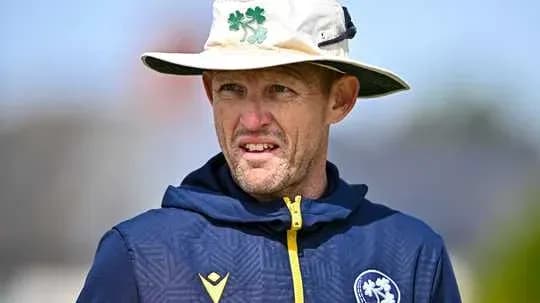
Heinrich Malan walked away at the very moment most coaches would dig in.
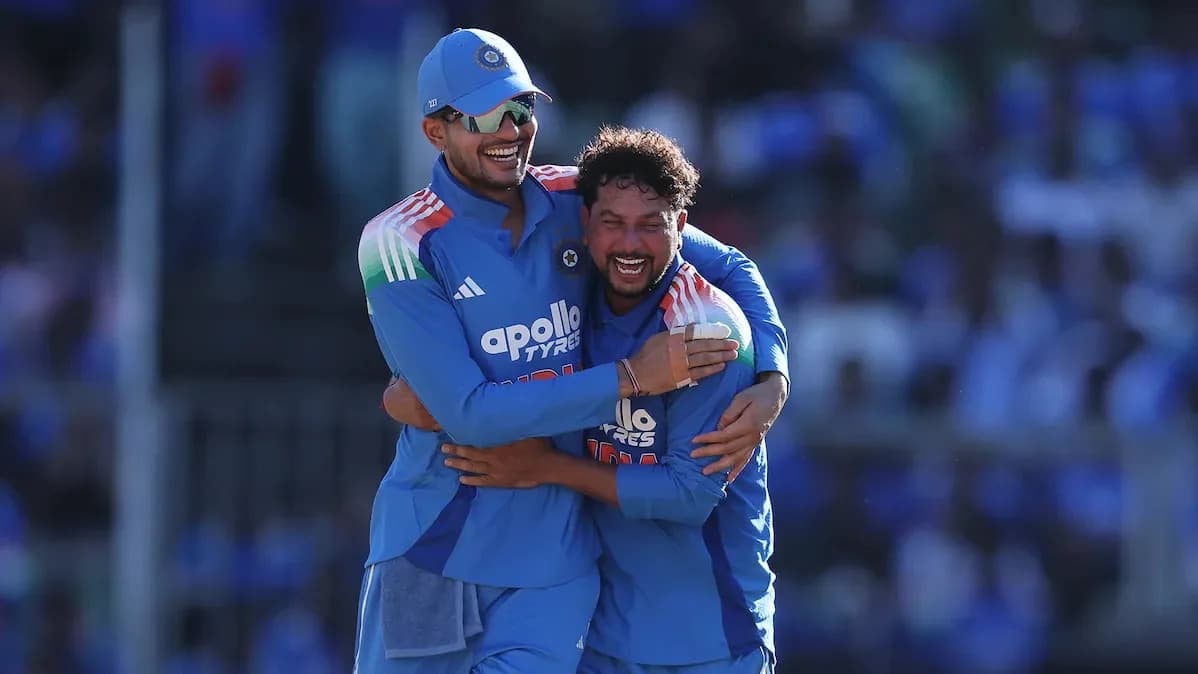
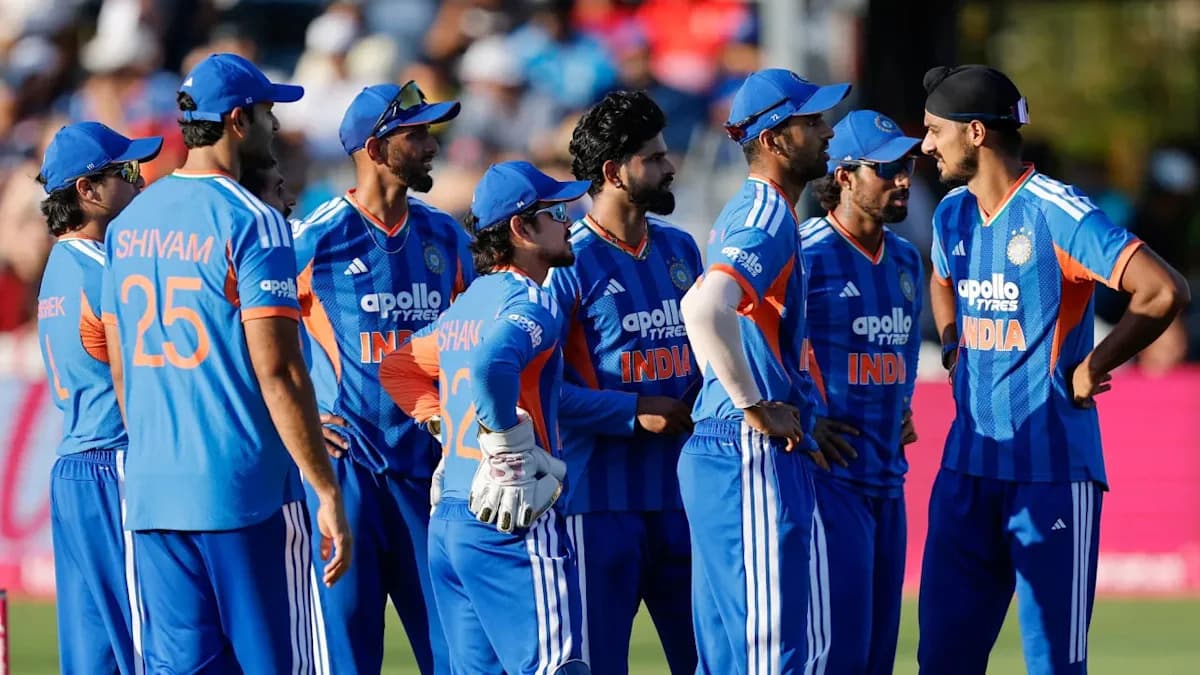
A 2-0 T20I series win over India, the reigning world champions, should have been a crowning chapter for the Ireland head coach, the sort of result boards use to justify long-term backing. Instead, it was his curtain call.
A day after Ireland sealed the series, Malan resigned, despite a contract that ran through to 2027. Back home now and speaking to Cricbuzz, the South African laid out a simple truth: the vision he held and the direction Irish cricket wanted to take no longer matched.
“The timing in high performance sport is never just right,” he said, “but it worked out as best as you could have asked for with the 2-0 series win over the world champions as our last act.”
A parting of ways after New Zealand
The break-up didn’t come in the afterglow of India alone. The key conversations began earlier, around Ireland’s Test against New Zealand.
“We had some conversations post the New Zealand Test match around what the future (post 2027) looks like and the timing was right from our perspective to make a very tough call and finish my time as Ireland head coach,” Malan explained.
Behind that corporate phrase “future” sat a shifting landscape. New people. New ideas. New methods.
“There has been some movement in that space and with new people comes new ideas and ways of doing things and that is just natural,” he said. Over time, those talks crystallised into a conclusion: “it was time for us to move on as our overall philosophies and direction didn't align moving forward.”
Malan leaves with a body of work that would stand up in any associate nation’s history. Yet he is adamant that the story of his tenure cannot be told solely through results, or indeed, that results alone could ever flourish in the environment Ireland currently faces.
Wins that changed perceptions
On paper, his four-and-a-half years read like a highlight reel for Irish cricket.
Ireland toppled England at the 2022 T20 World Cup in Melbourne, a win that jolted the tournament and reminded the game’s establishment that this team does not scare easily. They claimed their first-ever Test victory, against Afghanistan in 2024, then followed it with a first home Test win, against Zimbabwe in Belfast. And they closed his reign by sweeping India 2-0 in a T20I series.
“I honestly look back at all those ‘achievements’ with huge pride and gratitude,” Malan said.
But he quickly turned the focus away from the headlines.
“Ultimately I am more proud of the daily work we did to ensure we put ourselves in these positions to compete and get across the line,” he added, pointing to an internal culture he believes will outlast any one coach.
He speaks with particular satisfaction about the senior core of the squad and the standards they set.
“The environment we created around being professional cricketers and what that means – the senior leaders and players taking ownership of what our daily actions and behaviours look like and ultimately the individual ownership around the holistic programme – which I know have left this environment in a strong position for future Irish cricketers to thrive in.”
The battle Ireland can’t avoid: not enough cricket
For all the landmark wins, Malan circles back to one frustration that never went away: Ireland simply do not play enough cricket.
“Very proud of what we achieved and how we went about our daily business but also very challenging as we didn't play enough cricket sadly,” he said. “We showed that we can compete with any team which means we have quality players but to be consistent you need to play day in and day out.”
That line – “day in and day out” – cuts to the heart of the issue. Without regular fixtures, both domestically and internationally, Ireland’s players live in a stop-start world that undermines development.
“The lack of consistently playing cricket (domestically and internationally) is definitely the biggest challenge across the system,” Malan said. Training blocks can only take a side so far.
“There is a place for training (which we have done lots of) but ultimately it comes down to either getting better in training or exploring new methods and then being able to test or implement them in game situations. Hopefully in time the balance will be better and we will see these players go from strength to strength as they play more cricket.”
He leaves with “a lot of fond memories,” but also with a clear warning: unless the volume of cricket increases, Ireland’s ceiling remains artificially low.
Money, structure and the size of the talent pool
Behind the scheduling lies a harsher reality: money.
“The biggest challenge, as we well know, is the financial side of things which impacts the whole structure and system,” Malan said. That financial squeeze shapes everything – from domestic competitions to the breadth of the national pool.
His prescription is straightforward, if not simple to deliver: more domestic cricket and more international cricket.
“Hopefully the decision makers can find a way to ensure there is more cricket (domestically and internationally),” he said. At home, he wants to see a stronger platform for youth, especially in the longer format.
“Domestically which will ensure we create opportunities for exposure to the top youth players especially around red ball (first class cricket) and ultimately more international cricket to create a wider group of players to pick from and create healthy competition which is always a good sign of a healthy system.”
He also welcomes the growing European cricket ecosystem, which offers Irish players another avenue for exposure.
“It's a great addition to the European cricket landscape and creates more opportunities for players to get exposure at a higher playing level,” Malan noted. The benefit, in his eyes, is not just rubbing shoulders with star names.
“The opportunity to mix with some of the best players and coaches from around the world will be hugely beneficial but most importantly the actual playing of more games will stand all the players and countries in good stead moving forward.”
A new chapter in New Zealand, eyes still on the world stage
Malan has already moved on physically, if not emotionally. He is back in New Zealand, where he has taken over as head coach of Central Stags. It is a return to the domestic grind, to long seasons and steady work away from the glare of international scrutiny.
Yet the international game still pulls at him.
“I really enjoy international cricket and will definitely miss it,” he admitted. The ambition remains clear. “Hopefully in time opportunities come up to work on the international stage and or T20 franchise leagues so that I can keep evolving as a coach to add value to the players and ultimately successful environments.”
Ireland, meanwhile, must now do the same: evolve. They have proof they can beat England, Afghanistan, Zimbabwe and India under pressure. The question Malan leaves hanging over the board is blunt: can the system grow quickly enough – in fixtures, in finances, in depth – to make those shocks feel less like upsets and more like routine?