Historic T20I: Vande Mataram Opens India vs Afghanistan Match
The Arun Jaitley Stadium has seen plenty of noise over the years. On Sunday night, it went quiet first.
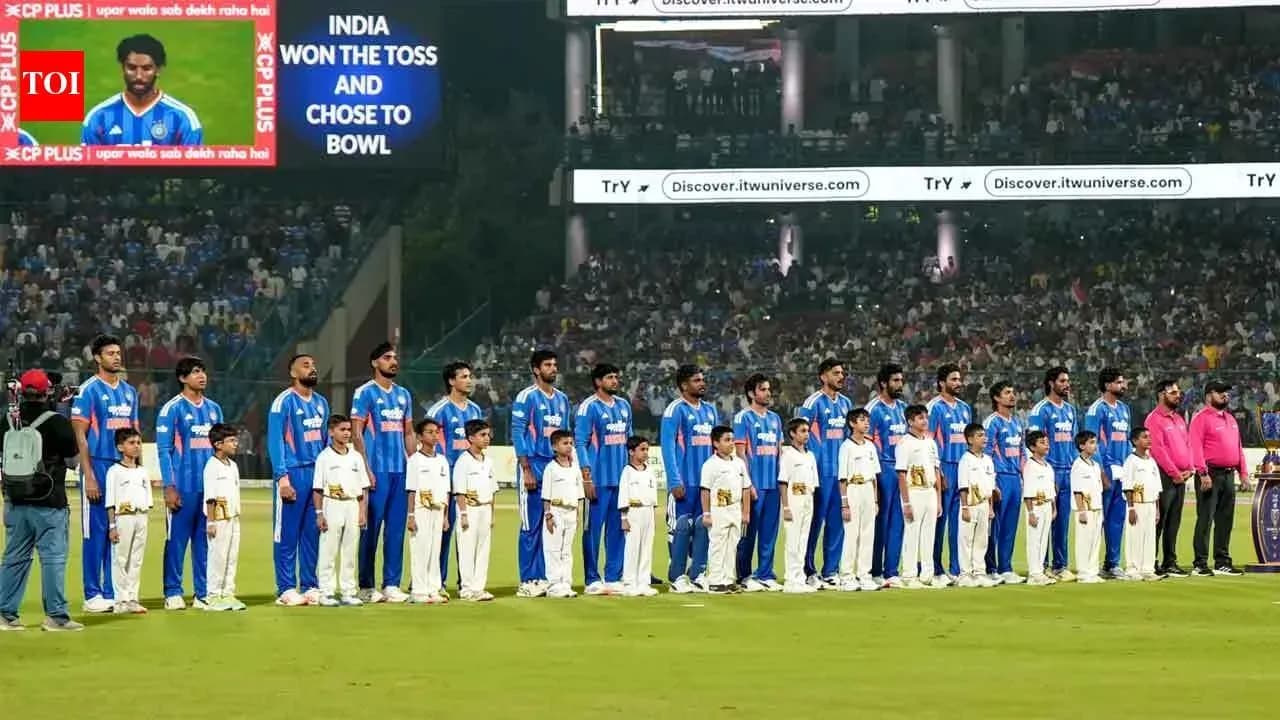
Two teams stood in line for the first T20I between Afghanistan and India, the usual pre-match rituals seemingly in place. Then came something entirely new for international cricket in this country: Vande Mataram rang out across the ground before the National Anthem, marking the first time India’s National Song was sung at an international cricket match.
The crowd rose, many with phones aloft, some simply standing still and listening. The National Anthem followed, as always, but the tone of the evening had already shifted. This wasn’t just another series opener. It felt like a small, carefully choreographed moment in a larger national script.
A new protocol on a global stage
The move flowed from a directive issued earlier this year by the Ministry of Home Affairs, which set formal protocols for the rendition of Vande Mataram. The notification, dated January 28, specified that all six stanzas of the National Song should be sung at official functions, a full version that runs to around 3 minutes and 10 seconds.
The ministry also listed the kinds of events where Vande Mataram was to be sung alongside Jana Gana Mana. Sporting events did not figure in that list. Yet here, under the Delhi lights, both were rendered before the first ball of an international cricket match — a symbolic extension of that protocol into one of India’s most watched public stages.
The pairing of the two in full is not entirely without precedent. Vande Mataram and Jana Gana Mana were sung together in their entirety on August 15, 2026, after Prime Minister Narendra Modi’s Independence Day address. Sunday’s moment in New Delhi carried that echo, but with a different backdrop: not the Red Fort, but a cricket field about to host India as the designated away side against Afghanistan, the official home team for this series.
Toss, tactics, and a big return
Once the last notes faded, the cricket took over.
Shreyas Iyer called correctly at the toss and did not hesitate. India would bowl first. The decision matched Delhi’s reputation and his own reading of the surface.
“Whenever you come to Delhi, you know what the pitch has got to offer; it usually is a bowl-first wicket,” Iyer said at the toss, outlining a straightforward plan built on early movement and scoreboard pressure.
There was another headline in the XI. Jasprit Bumrah walked back into India’s T20I side, making his first appearance in the format since IPL 2026. For a team still shaping its next white-ball cycle, the return of its premier fast bowler is more than a selection; it is a statement. Iyer underlined that in a single line: “We know Bumrah is a match-winner.”
His inclusion came with some notable omissions. Vaibhav Sooryavanshi, who had impressed during the Zimbabwe T20I series, missed out despite his recent form. So did Washington Sundar. Iyer was blunt about it: “Vaibhav is not playing, Washington is not playing, and two more.” No elaborate justification, just the cold arithmetic of a crowded squad and a specific plan for Delhi conditions.
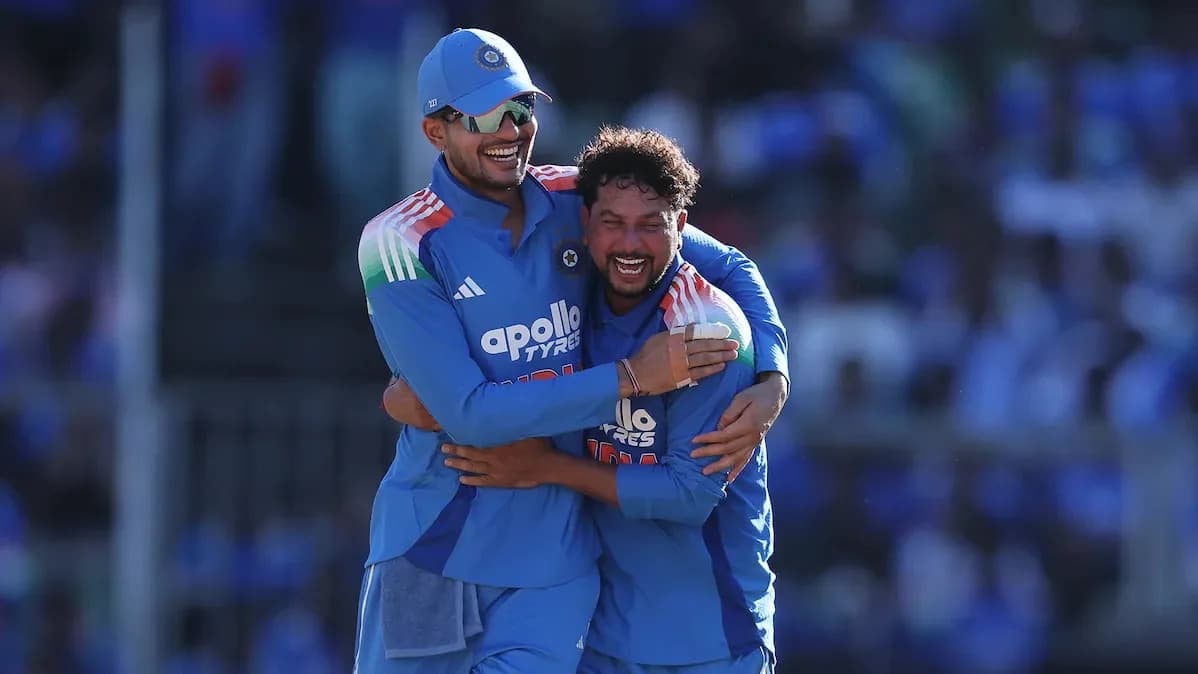
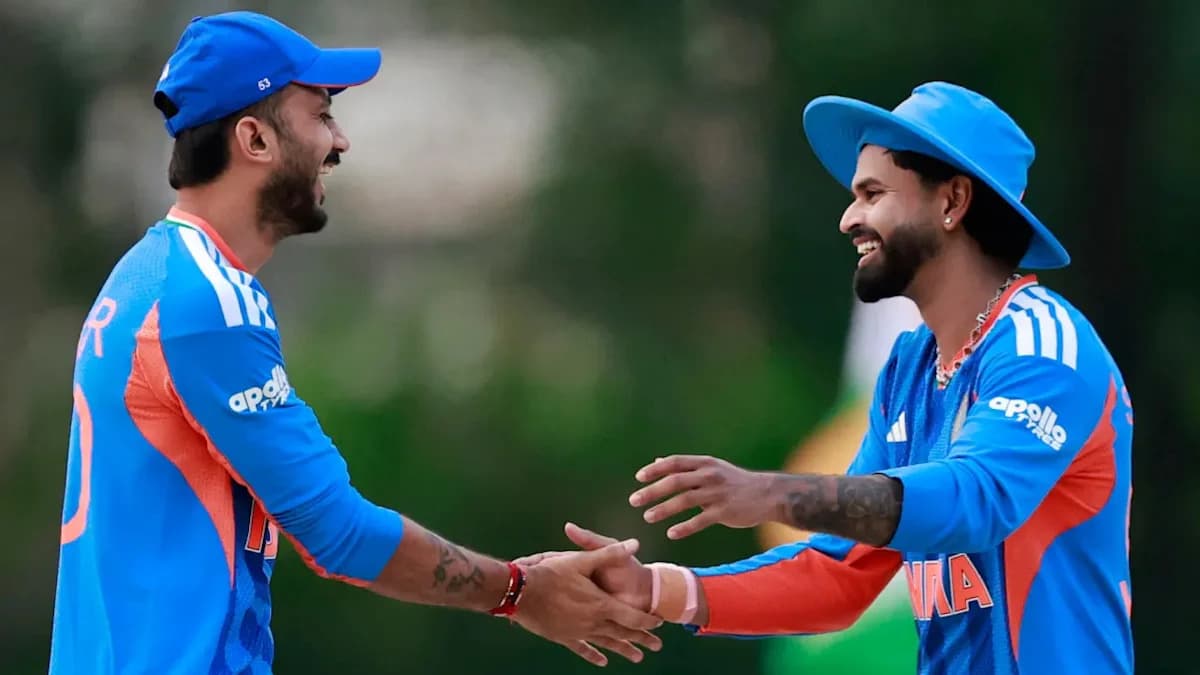
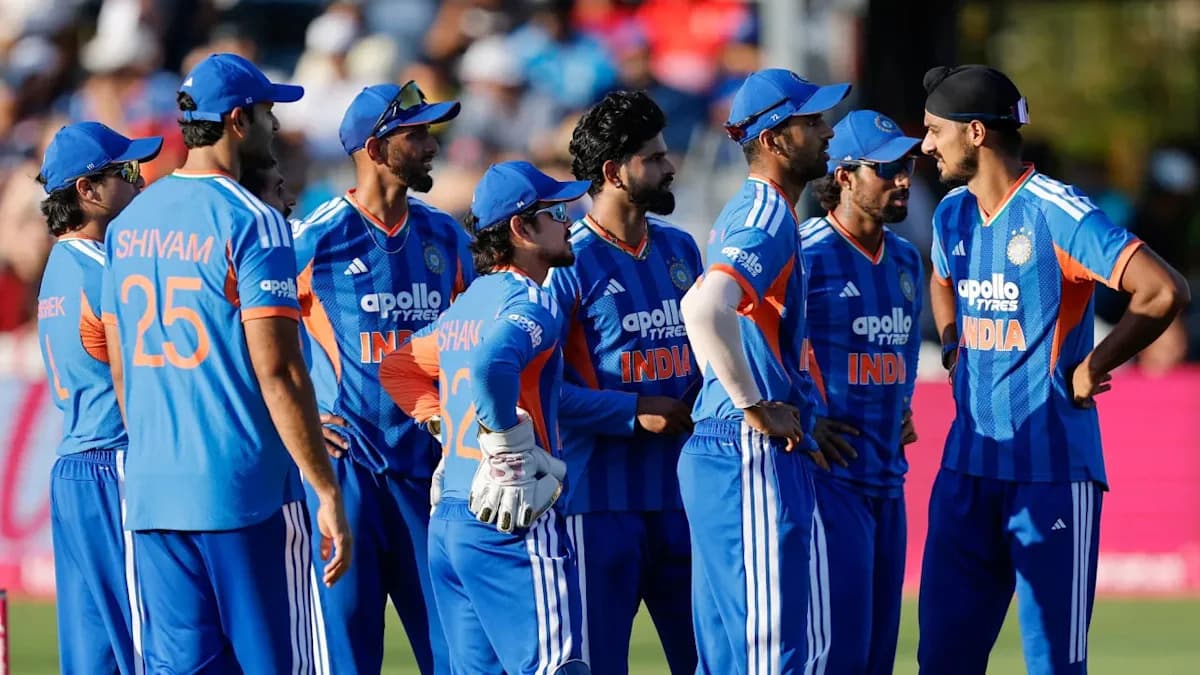
Sanju Samson came into the XI, taking the gloves and a batting slot as India adjusted their balance. The visitors on paper, but playing in front of a home crowd, India lined up with a blend of established names and emerging faces: Samson (w), Abhishek Sharma, Ishan Kishan, Iyer (c), Tilak Varma, Nitish Kumar Reddy, Shivam Dube, Axar Patel, Arshdeep Singh, Bumrah, and Varun Chakaravarthy.
Afghanistan’s ‘home’ in Delhi
Across from them, Afghanistan embraced their role as the official home side. Ibrahim Zadran captained a familiar core: Rahmanullah Gurbaz with the gloves at the top, followed by Sediqullah Atal, Darwish Rasooli, Azmatullah Omarzai, Gulbadin Naib, Mohammad Nabi, Rashid Khan, Mujeeb Ur Rahman, Noor Ahmad, and Fazalhaq Farooqi.
On paper, it is a side built for this format: power at the top, experience in the middle, and a spin attack that can strangle even the most seasoned batting line-ups. On the ground, they were walking into a venue that feels far from Kabul or Sharjah, yet one where their players have become increasingly familiar faces through league cricket.
India, officially away. Afghanistan, officially at home. Both standing under the same flag moments earlier as Vande Mataram and Jana Gana Mana rolled across the stands. It was an unusual framing for a series that, in cricketing terms, carries plenty of intrigue.
A series that starts with a song
For Iyer and his side, the aim is simple: build on “a lot of positives” from the Zimbabwe tour and use this three-match series to harden combinations, test temperament, and reintegrate a fully fit Bumrah into the shortest format. For Afghanistan, the stakes are different but just as sharp: prove that their T20 reputation can travel, even when their “home” is a packed stadium in New Delhi.
Before any of that plays out, though, this first T20I will be remembered for something else: the night when a cricket match in India began with Vande Mataram, flowed into the National Anthem, and then handed the stage back to bat and ball.
If this is how the series opens, what comes next once the cricket itself starts to sing?