India Escapes Japan Scare in Dramatic T20 Clash
World champions India walked away with the win. They did not walk away unshaken.
On a grey day at Sano Cricket Ground, a five-over shootout that should have been routine turned into a rules-and-nerves thriller, with Japan falling just two runs short of a seismic upset in a one-off T20.
A giant restricted
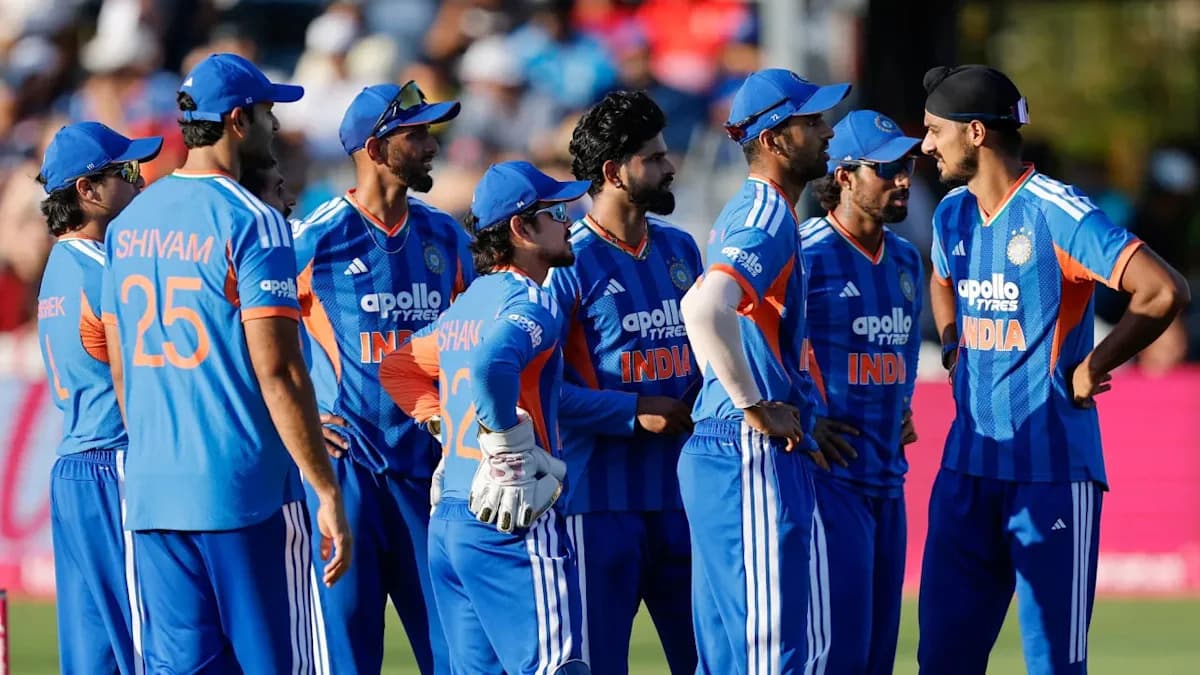
India, with all their pedigree and power, were squeezed to 32-4 from their five overs. It was not a typo. It was Japan, disciplined and fearless, dragging a heavyweight into a street fight.
Seventeen-year-old spinner Charlie Hara-Hinze led the ambush. He removed the dangerous Abhishek Sharma with his first ball and finished with 2-17, setting the tone for a bowling effort that refused to be overawed by reputations or rankings.
India stumbled to 14-3, their innings stuck in first gear. Shreyas Iyer, captaining and firefighting, scratched together 16 from 12 balls – not a typical T20 cameo, but gold in a game this short. His runs, at the time merely a salvage job, would later loom large.
Japan left the field with 32 as their target and something more valuable: belief.
Japan’s chase gathers pace
The reply started badly. India’s new-ball pressure pinned Japan down and they slipped to 8-2 after two overs, the chase creaking before it had even begun.
Then the game flipped.
Across the next two overs, Japan took 17 runs, finding gaps, running hard, and refusing to be intimidated by the blue shirts in front of them. At 25-3, with one over left, the equation was simple and audacious: eight runs needed off six balls to beat the world champions.
The crowd knew what that meant. So did India.
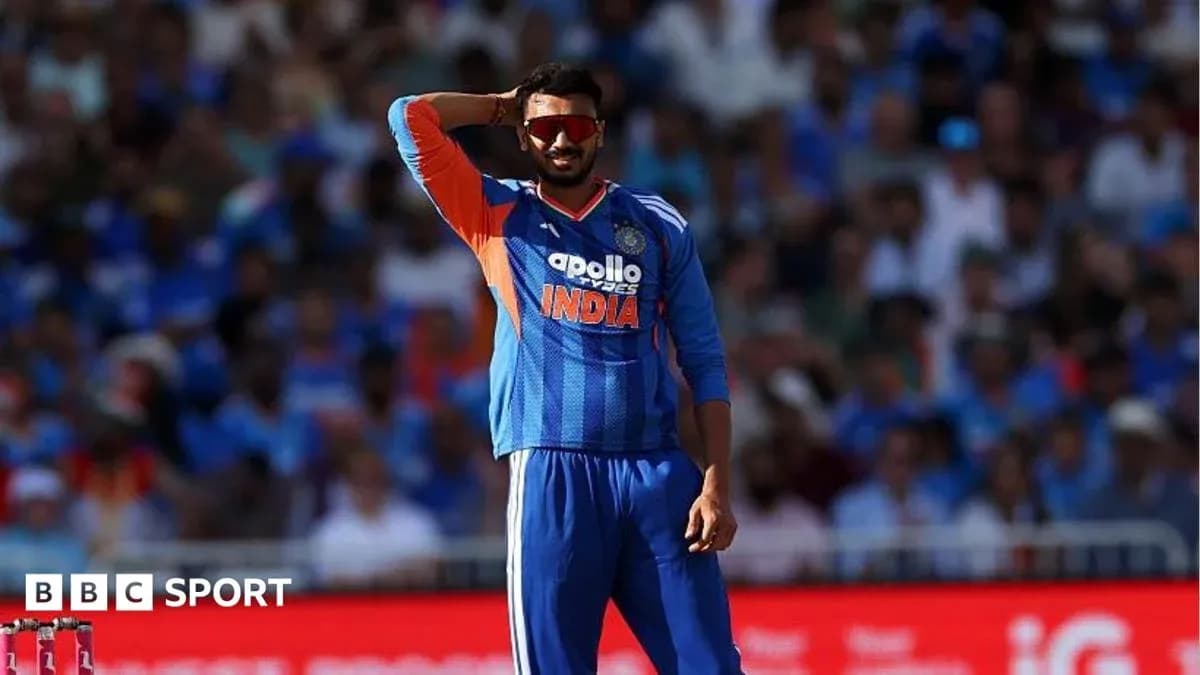
Axar Patel took the ball for the final over. Japan had left-hander Alexander Shirai-Patmore at the crease, inventive and willing to play against the grain. The stage was set for chaos.
The wide that wasn’t
The moment came with the match on a knife edge.
Shirai-Patmore shaped for the reverse sweep. Axar fired the ball down what, for a conventional shot, would have been the leg side. The umpire stretched his arms: wide.
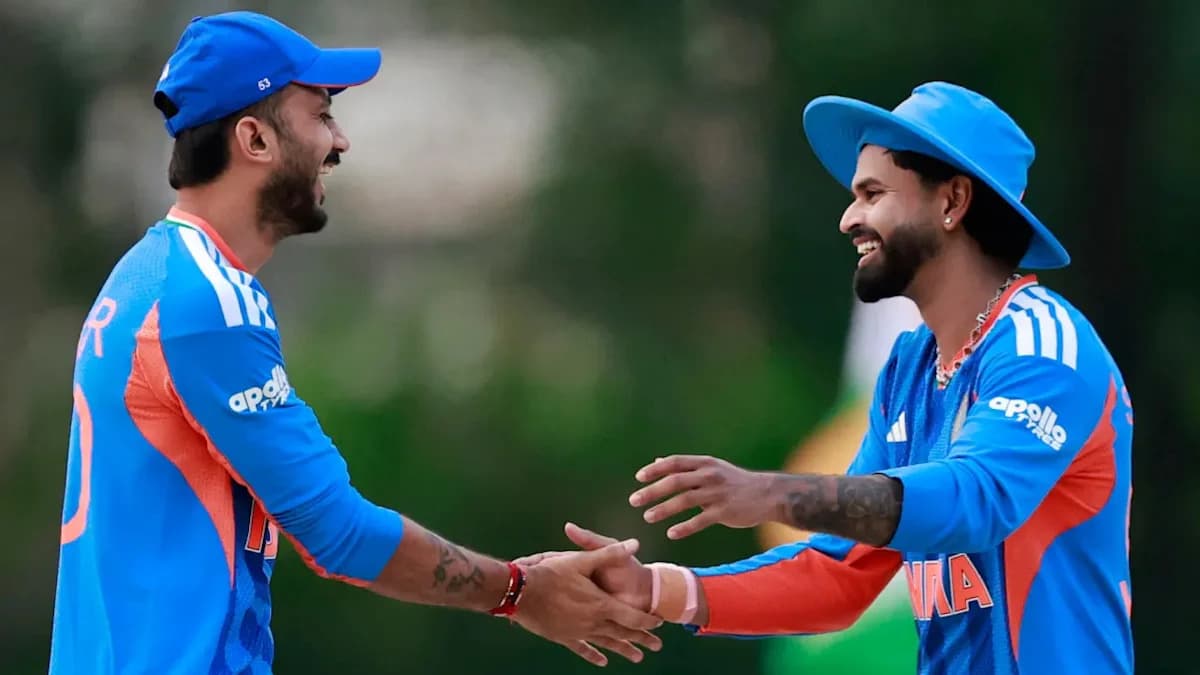
Japan’s dugout roared. Axar did not. He was visibly furious, immediately questioning the decision. Shreyas Iyer joined him, the two senior Indians surrounding the officials in a rare, animated challenge.
Then came the twist.
The umpires conferred. No Decision Review System. No replays on a big screen. Just the playing conditions, their own judgment, and the pressure of a game suddenly defined by one ball.
The call was overturned.
Under ICC men’s T20I playing conditions, once a batter changes their hands or feet to play a reverse shot, the wide guidelines apply to where they are actually standing and where a “normal” stance would have been. A ball is only a wide if it passes wide of both.
In this case, judged against that law, the delivery was deemed fair. The correction dragged the equation back in India’s favour: instead of five needed off four, Japan now needed six off three.
The pressure finally told.
Axar, having escaped the wide, closed out the over with icy control. He finished with 0-7 from his two overs, Japan stranded on 30-3, two agonising runs short of a famous win.
Laws, spirit, and a thin line
On paper, the umpires landed on the right side of the law. The wording is clear: a wide should be called “if the ball passes wide of where the striker is standing, and which also would have passed wide of the striker standing in a normal batting position”.
By that standard, the final verdict looked correct.
What has ignited debate is not the law itself, but the journey to the decision. With no DRS in place, the sight of a signalled wide being reversed after player protests jars against another line in the ICC’s own preamble: the “spirit of cricket”, which includes the expectation to accept an umpire’s decision.
That preamble is not a law. It has no sanction attached. Yet it lives in the game’s culture, and this incident has already joined the long list of flashpoints where letter and spirit pull in different directions.
For Japan, the nuance will sting less than the scoreboard. They had India cornered and came within one clean strike of rewriting a chapter of their cricketing history.
A glimpse of what’s coming
Japan’s bowlers had already sent a message by shackling a powerhouse to 32. Their batters then absorbed early shocks, rallied with 17 from two overs, and stayed in the contest until the final ball.
India, for all their experience, needed every ounce of it. Shreyas Iyer’s 16 off 12, anonymous in a full-length T20, became decisive. Axar Patel’s calm in the last over, under scrutiny and after a contentious call, preserved a win that would otherwise have been dissected for months.
This was the first time the two nations had met in international cricket, Japan still waiting for a first T20 World Cup appearance. It came as part of India’s build-up to the men’s Asian Games, which begin on 24 September.
If this is the standard of Japan’s fight before a major regional event, the next time they push a giant to the brink, will the line finally break?