India Survives Japan's Scare in T20 Thriller
The scoreboard will remember this as a two‑run win for India. Everyone who watched it will remember something else entirely.
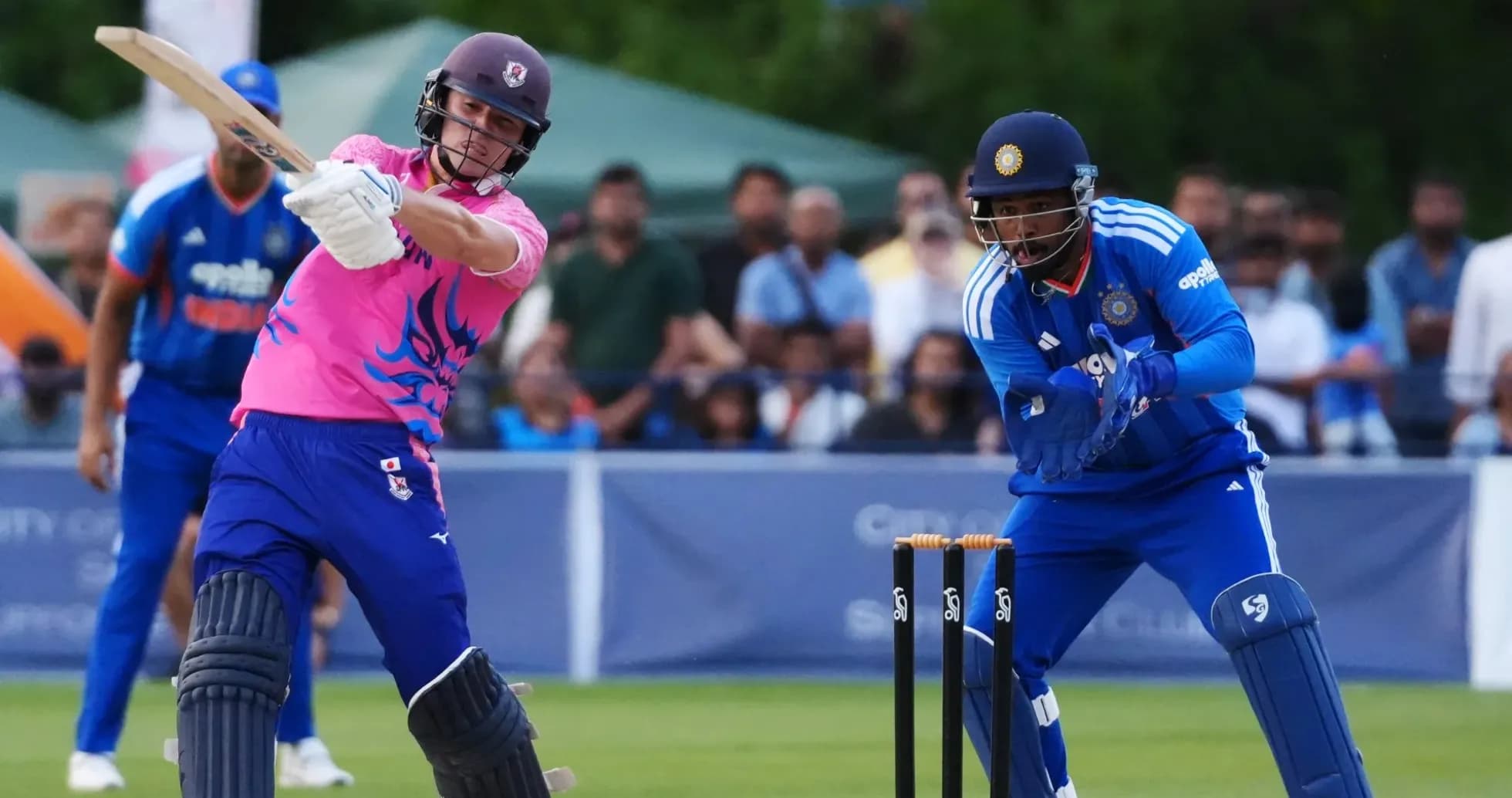
On a grey, rain-hit afternoon at Sano International Cricket Ground, Japan came within a swing of pulling off what many were already calling the biggest upset in cricket history. Chasing just 33 in a five‑over shootout against the three-time T20 world champions, the hosts finished on 30-3. The margin was tiny. The argument it sparked was anything but.
A mismatch on paper, a knife-edge on grass
Rain stripped this contest down to its barest form: five overs a side, chaos guaranteed. Shreyas Iyer won the toss and batted, a decision that should have set the tone for a straightforward Indian workout before the Asian Games.
Japan had other ideas.
Charlie Hara-Hinze, running in with nothing to lose and everything to prove, removed Abhishek Sharma in the first over. The star opener gone early. A hush, then a murmur around Sano. When Hara-Hinze struck again, dismissing Ishan Kishan with the second ball of his next over, that murmur turned into belief. India, the giants, were 2 down in a five-over game and suddenly feeling the squeeze.
Iyer steadied the innings with a brisk 16 from 12 balls, nudging and forcing India back into something resembling control. It was hardly a commanding total, but in the conditions, 32-4 felt workable. On a slow, low surface where every run had to be prised out, it might even have been enough.
Japan walked out chasing 33, not history. Just runs. But every ball began to feel like both.
Japan’s chase, ball by ball
Axar Patel took the new ball for India, his left-arm spin immediately testing both technique and nerve. He struck in his first over, removing Lachlan Yamamoto-Lake with his fourth delivery. One down, pressure on.
Japan now needed 31 from four overs. Manageable in theory, steep on this pitch against this attack.
Washington Sundar took the second over, off-spin into the surface, and India tightened the screws. Six runs came, but another wicket fell. Japan were still afloat, but the chase had become a grind rather than a dash.
The hosts refused to fold. They eked out 17 runs from the next two overs, picking gaps, running hard, and clinging to the belief that a famous win was still there if they stayed calm. Kendel Kadowaki-Fleming, Japan’s captain, led the way with 12, before he too departed. Another twist. Another jolt.
At the start of the final over, the equation was stark: eight needed from six balls. Seven wickets in hand. Axar Patel back with the ball. The world champions under real, visible pressure.
Dot ball. Single. Seven off four.
Then came the delivery that lit the fuse.
The wide that was, then wasn’t
Patel pushed one past the batter’s reach and the umpire signalled wide. No drama there. Six needed off four became six off four with one ball used. The next ball changed everything.
Patel bowled again. Alexander Shirai-Patmore shaped for a reverse sweep, but the ball drifted beyond his hitting arc. The umpire raised his arms: wide. The call looked consistent with the previous decision. Five needed off four, Japan suddenly inches away from the impossible.
India did not accept it.
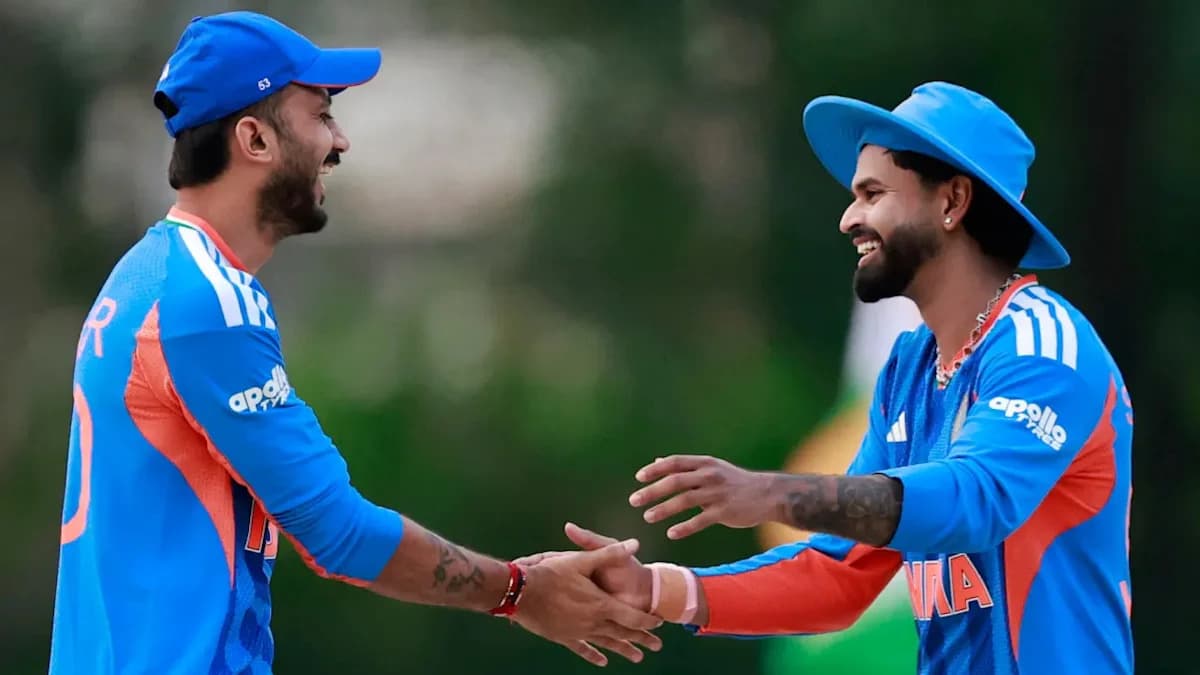
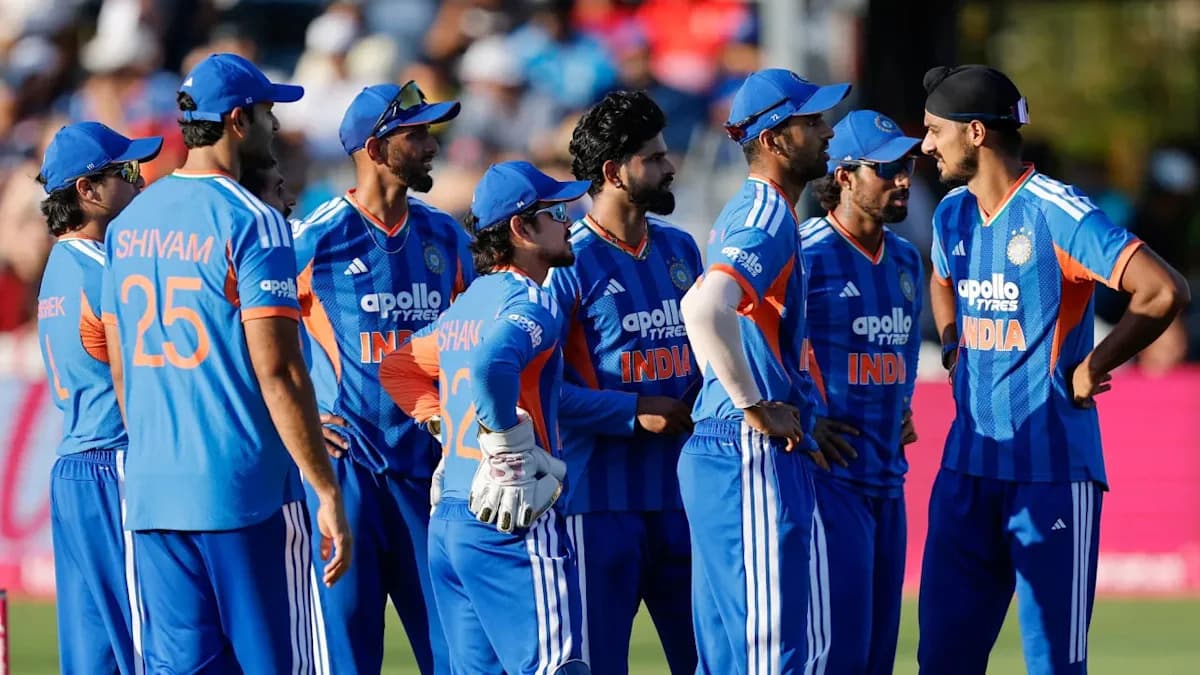
Iyer and Patel went straight to the umpires, visibly furious. Arms out, voices raised, the captain and bowler made their case in the middle of the pitch. The game stopped. The tension didn’t.
Chris Thurgate, the bowler’s end umpire who had signalled the wide, conferred with his colleague Chris Brown. There was no formal review, no call upstairs, no replay sequence with a TV umpire explaining the verdict. After a brief consultation, the wide was revoked.
No extra run. No extra ball. The equation snapped back in India’s favour.
The decision stunned the home side and lit up social media within minutes. In a match with no Decision Review System, the umpires had effectively reversed a judgment call without any fresh evidence. The moment looked, to many, like a line being crossed.
Laws, lines, and outrage
The Laws of Cricket do allow for a wide to be revoked. Law 22.3 is clear: if the ball touches the bat or the batter’s body before a fielder, or if the delivery is called a no ball, the wide can be cancelled.
Neither applied here. There was no contact. No no ball. Just a change of mind after protest.
That, for a lot of observers, was the problem.
Cricket writer Ben Gardner of Wisden called it a “disgraceful decision”, arguing that with “five off four needed for the biggest upset in cricket history, India have just bullied the umpires into overturning a wide call against Japan.” Others were even more direct. “Japan were robbed here,” wrote one social media user, Abu Zaid Sarooji.
The criticism was not limited to neutrals. Even some Indian supporters questioned the optics and the legality, pointing out that Shirai-Patmore had not changed his stance before the ball was bowled, and had not tried to game the wide law.
The wider context cut deeper: cricket’s culture has long frowned on public arguments with umpires. Respect for the officials is supposed to be non-negotiable. Here, the captain of the world champions and his bowler openly challenged a call, and the on-field decision swung their way without any visible review process.
The final balls, and what might have been
After the wide was scrubbed from the record, Japan needed six from four again. The air had changed. The hosts, who had been edging towards a miracle, now had to reset in real time.
They managed only three singles from the last three balls. Patel held his nerve, India held their line, and the scoreboard locked in at 30-3. Two runs short. So close that every frame of that revoked wide will be replayed and re-argued for days.
No Japanese player publicly attacked the decision. They simply walked off looking gutted, the weight of what they had nearly done – and what had slipped away – written across their faces.
Pride, politics, and a new chapter for Japan
On the official record, neither captain waded into the controversy after the match. Iyer spoke instead about conditions and the nature of such shortened contests.
“Honestly speaking, it was a very difficult wicket to bat on,” he said. “A five-over game, it can go anywhere. It doesn’t matter how good a team you are.”
He reserved particular praise for Japan.
“The attitude and approach the Japanese team showed today was impeccable, and kudos to them. Their approach was outstanding. I’m sure that they are on the right track.”
For Japan, this was more than a warm-up game. It was the culmination of years of quiet work by the Japan Cricket Association, backed by diplomatic nudging and corporate support. Persuading India, via the BCCI, to play a T20 International in Sano was a coup in itself. The Japanese government’s involvement helped push the deal over the line.
JCA chief executive Naoki Alex Miyaji had already framed the occasion as the start of something bigger.
“One match or competition itself won’t change anything, and we are certainly not going to think that suddenly it’s going to be as popular as baseball or football in Japan,” he said. “But the match against India is the first page of a new era.”
For a country ranked 41st in the ICC men’s T20 standings, with only 7,300 registered players and 16 cricket grounds, this was uncharted territory: a first-ever meeting with a full ICC member, and not just any member, but a powerhouse.
Kendel Kadowaki-Fleming, still riding the emotion of the night, understood the scale of it.
“Emotions are running pretty high in our group. But the fact that we’re able to run the best team in the world, in my opinion, to the last ball of a game is pretty special,” he said. “I think today was a really momentous occasion in that it was the first time we were able to face a full member.”
A result that won’t rest
On paper, this was a narrow escape for a giant and a near-miss for an underdog. On the field, it felt like a turning point – not only for Japanese cricket, but for the way the sport polices its own lines of authority and respect.
India will move on to bigger stages and sterner tests. Japan will go back to their 16 grounds and 7,300 players, armed now with proof that they can push the very best to the brink.
The question that lingers is simple, and it won’t go away quickly: when the smallest team in the contest comes that close to history, can the game afford even the hint that its laws bent under pressure?