India Wins Thrilling Under-19 Asia Cup Final Against Pakistan
India’s under-19s pulled off a heist for the ages in Muscat, but the last-ball glory quickly gave way to an uglier debate about what it means to win.
At the Oman Academy Cricket Ground in Al Amerat, a match that swung like a pendulum between two old rivals ended with India beating Pakistan by one wicket, chasing down 338 in a nerve-shredding Under-19 Asia Cup final. It should have been remembered first for nerve, skill and a refusal to surrender. Instead, the images that lingered were of snarling faces, flying gestures and a skipped handshake.
A classic chase, a cold finish
Pakistan had done plenty right. Put in after winning the toss, their top order built a total that should win most finals. Opener Usman Khan’s 107 off 111 balls anchored the innings, Abdul Qadir’s fluent 80 added muscle, and captain Farhan Yousaf’s 63 gave it shape and authority. They closed on 337-9, a score that looked imposing, even on a flat surface.
India’s reply began with the kind of composure that suggested the dressing room believed the chase was on. Captain Lakshya Raichandani compiled 80 from 101 balls, Aaryavir Sehwag – son of Virender Sehwag – cracked 58 off 61 with nine fours, and the platform looked solid. Aaryavir’s runs crowned a superb tournament; he finished as the leading scorer with 361 in five innings and walked away with the player-of-the-tournament award.
Then came the slide.
From a position of relative comfort, India tumbled to 252-8 by the 42nd over. Pakistan’s bowlers tightened lines, the fielders closed in, and the equation grew steeper with every dot ball. A chase that had once looked measured now appeared to be slipping into the familiar territory of “what if”.
That was when Manal Chauhan and Mohit Ulva changed everything.
Heroes at Nos. 9 and 10
Chauhan, batting in the lower middle order, played with the clarity of a man who had decided the occasion would not swallow him. His 47 off 32 balls was full of intent, picking gaps, running hard, refusing to let the rate run away. At the other end, Ulva settled in at No. 10, calm where panic might have been understandable.
Together they stitched a 57-run stand for the ninth wicket, a partnership that dragged India back into a contest Pakistan thought they were closing out. Chauhan’s dismissal only heightened the tension, but Ulva never let the moment crush him.
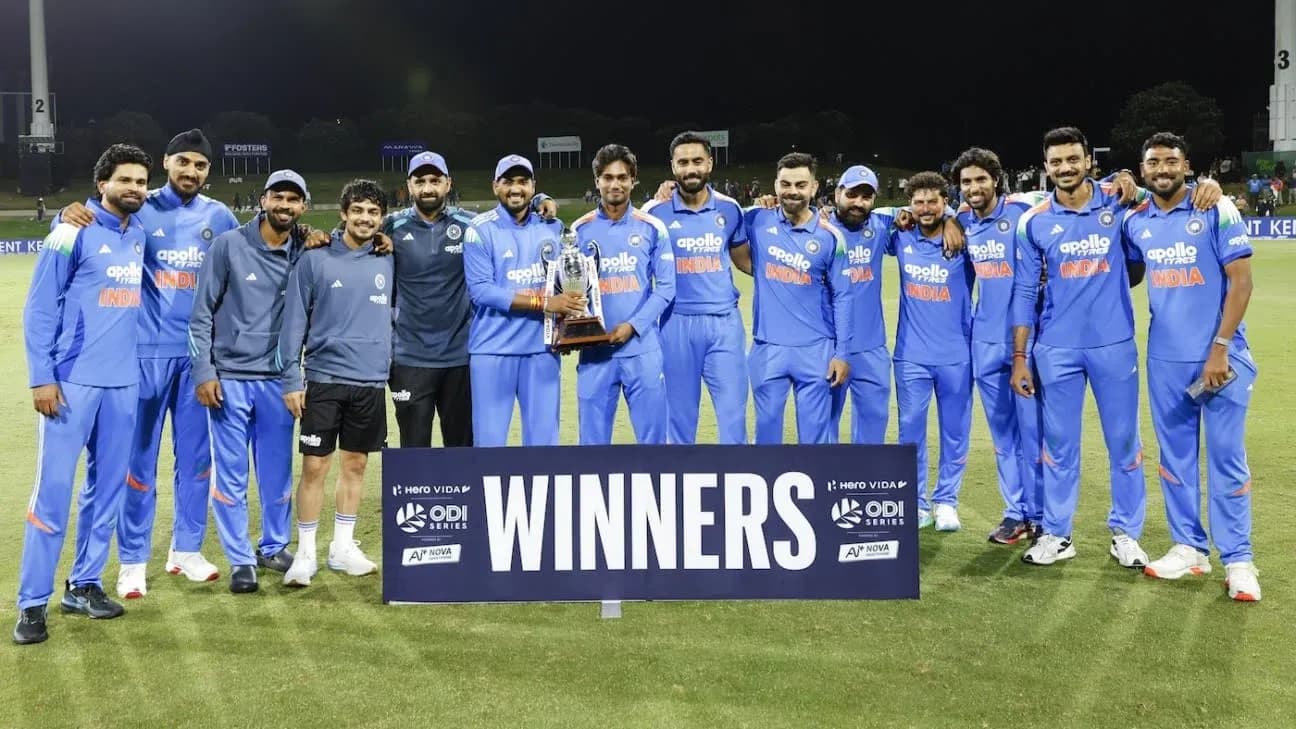
He finished unbeaten on 49 from 26 balls, the final-ball hero, threading a boundary when India needed three off the last delivery. One shot, clean and decisive, sealed a record-extending ninth Under-19 Asia Cup title and India’s first since 2021.
“This tournament had not gone well for me, but I had belief that I would be able to deliver today,” Ulva said afterwards. “I needed Manal’s support, which he provided. I knew it was my day and that I would take my team over the line. Number 10 has been a very lucky number for me as all my runs have come from here.
“We had belief in our batting that we could chase this down. This was a flat wicket, and we kept telling ourselves that if they could score this many, then we could too.”
India’s dugout erupted. So did the players. And that’s where the story darkened.
When celebration crosses a line
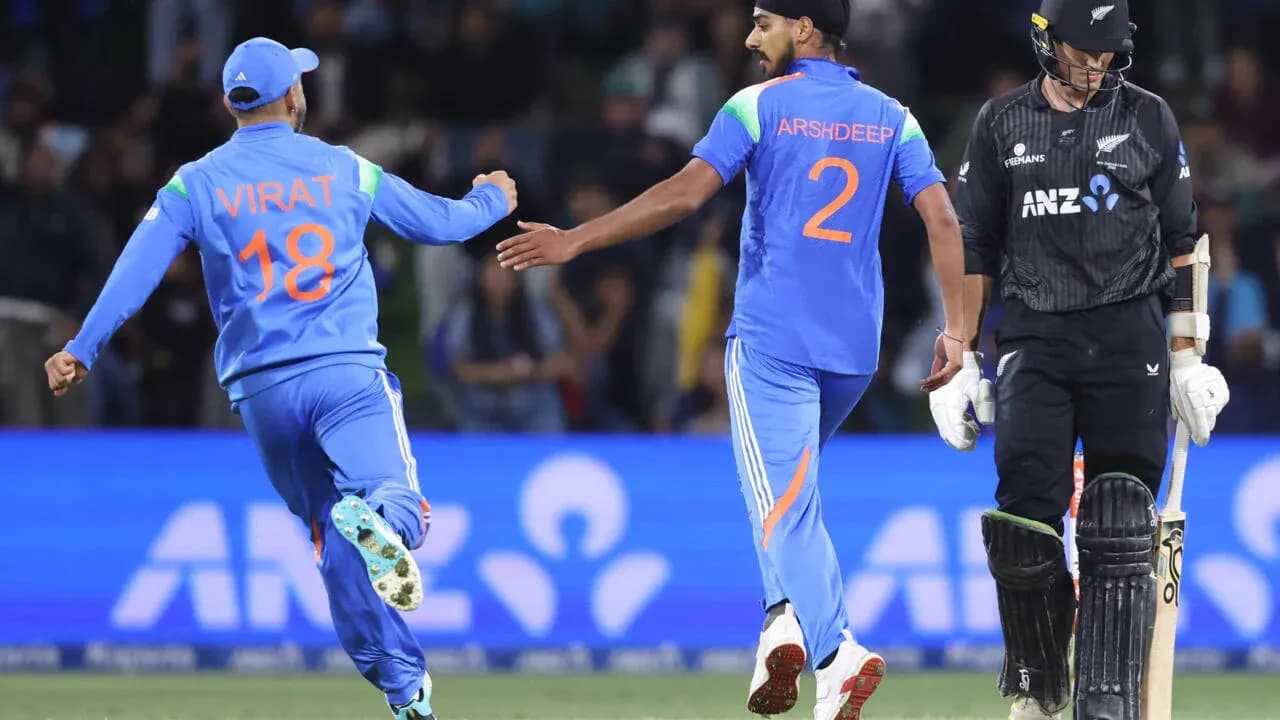
In the immediate aftermath, the emotion spilled over into something else. Television cameras and social clips showed Indian players turning their celebrations towards Pakistan’s youngsters.
One Indian player was seen yelling and gesturing aggressively in the face of Pakistan wicketkeeper Hamza Zahoor, who stood his ground but did not respond. Other Indian players kicked their legs in the direction of the Pakistan dressing room as members of their own team management tried to restrain them.
What should have been a lap of honour turned into a flashpoint. The handshake line, already a fragile tradition in this rivalry, never formed. Both sides walked away, the customary gesture of respect abandoned again.
The reaction was swift. Former Pakistan captain Mohammad Yousuf cut straight to the heart of the matter.
“You are not just representing your country. In fact, you are representing your upbringing, the values and the ethics your parents taught you as a child,” he wrote on X. “Therefore, always remain respectful and composed, whether in victory or defeat. True sportsmanship is reflected in the way you conduct yourself, regardless of the outcome.”
From India, ex-cricketers and political leaders lined up to praise the win, but stopped short of criticising the behaviour. The pushback came instead from Indian fans themselves, many of whom recoiled at the images.
“India and Pakistan may be adversaries, and cricket may be fiercely competitive, but that is no excuse for such uncouth, crass and downright disgusting behaviour,” one supporter wrote on X. “The behaviour on display was a reflection of the culture of leadership this country has normalised. It’s a cricket match, not a war.
“A country’s sporting culture is reflected not just in how its players win, but also in how they treat those who lose.”
A rivalry without handshakes
This was not an isolated incident in the broader story of India–Pakistan cricket over the last year. The absence of a handshake has become a symbol of something deeper.
In September last year, then-India captain Suryakumar Yadav and his team refused to shake hands with Pakistan’s players after an Asia Cup clash and declined to accept the trophy from Asian Cricket Council President Mohsin Naqvi, who is also Pakistan’s interior minister.
The women’s game has mirrored that chill. When Pakistan met India at the ICC Women’s World Cup 2025 in Sri Lanka, the teams avoided handshakes. The pattern repeated at the ICC Women’s T20 World Cup in England and again in the Women’s Asia Cup group stage. In September, after winning the Women’s Asia Cup final in Dubai, the India women’s team also refused to receive the trophy from Naqvi.
Those decisions, rooted in politics and principle, have bled into the visual language of the rivalry: no handshakes, no shared podium, no pretence of warmth. In Muscat, that backdrop framed the behaviour of teenagers who have grown up watching this frost harden.
Talent, temperament and what comes next
Strip away the noise and the cricket itself was outstanding. Aaryavir Sehwag’s consistency at the top, Raichandani’s control, Ulva and Chauhan’s steel under pressure, Pakistan’s top-order authority through Usman Khan, Abdul Qadir and Farhan Yousaf – these are the performances selectors dream about at under-19 level.
India’s lineup even carried another famous surname: Anvay Dravid, son of Rahul Dravid, added 19 with the bat, a small contribution on the day but part of a larger story of pedigree and promise in this group.
Yet for all the talent on show, the conversation has veered towards conduct. These are teenagers, still learning, still impressionable. But they are also international representatives, in front of cameras, in a rivalry where every gesture is magnified.
India leave Oman with a trophy, a last-ball classic and a ninth Under-19 Asia Cup crown. Pakistan leave with the knowledge they pushed their rivals to the brink and unearthed serious batting depth.
The question that hangs over both, and over the rivalry itself, is simple: when the next generation meets again, will the defining image be a shot through extra cover – or a stare, a shove and an empty space where a handshake used to be?