India Women Cricketers Win Asia Cup but Skip Trophy Ceremony
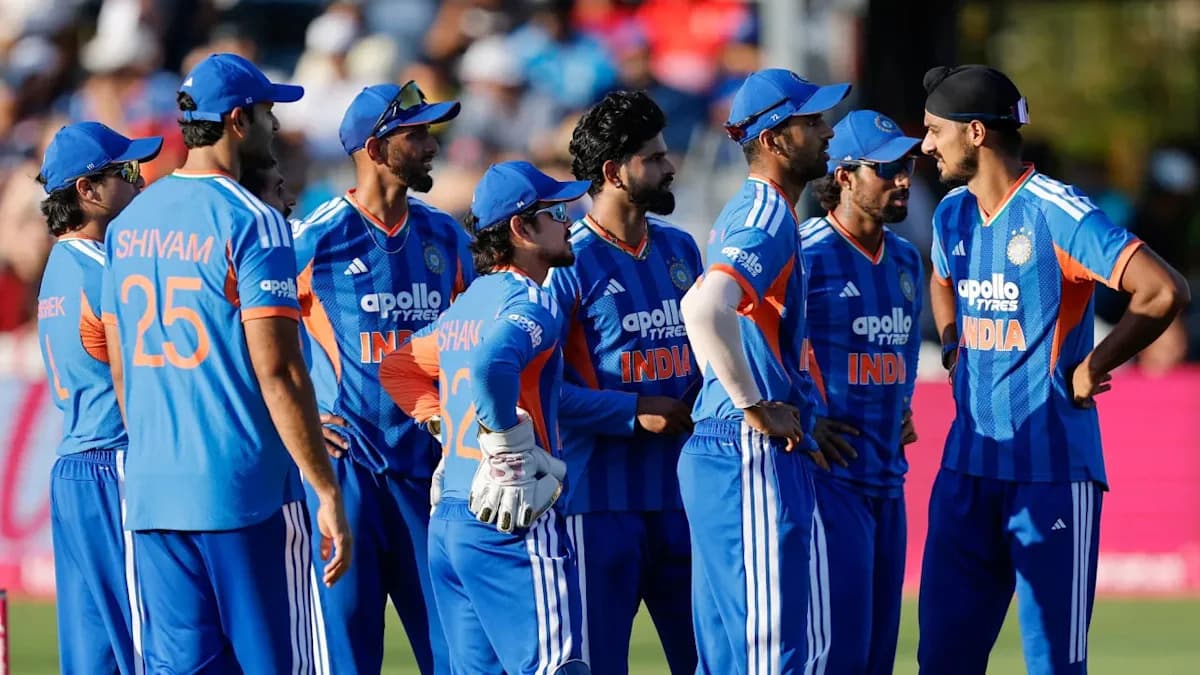
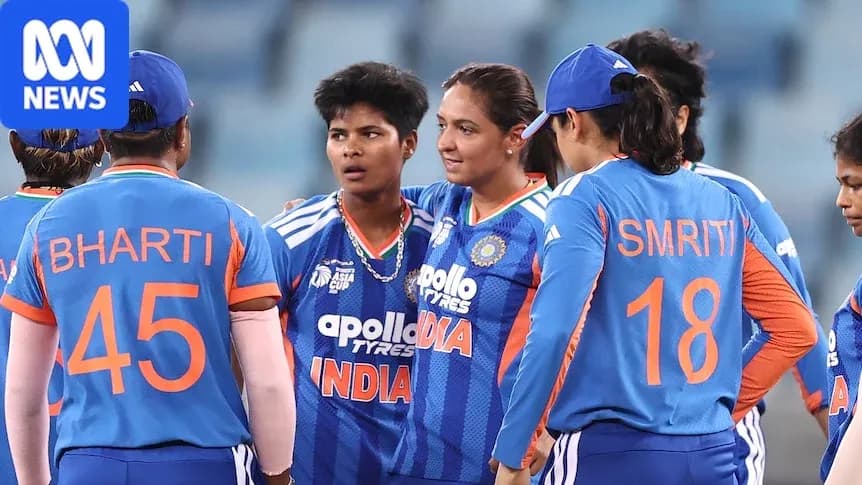
India’s women cricketers lifted the Asia Cup again in Dubai — but left the trophy behind.
On a night that should have belonged entirely to their cricket, politics walked out to the middle and refused to budge.
Champions Without a Trophy
India crushed Sri Lanka by 72 runs in the final, sealing a record eighth Asia Cup title with the kind of authority that usually ends all argument. They won the toss, piled up 5-183, and then rolled Sri Lanka for 111 inside 20 overs. The cricket part of the script was brutally simple.
What followed was anything but.
The presentation ceremony stalled for almost an hour. Players milled around. Officials waited. The usual choreography of medals, handshakes and smiling photos never quite formed. Instead, India staged their own moment.
While Asian Cricket Council (ACC) chairman Mohsin Naqvi stood on the dais with other ACC officials, the Indian team held an internal medal presentation. BCCI secretary Devajit Saikia stepped in to hand the best fielder medal to Nandani Sharma, a symbolic act that underlined where India’s loyalties and lines now sit.
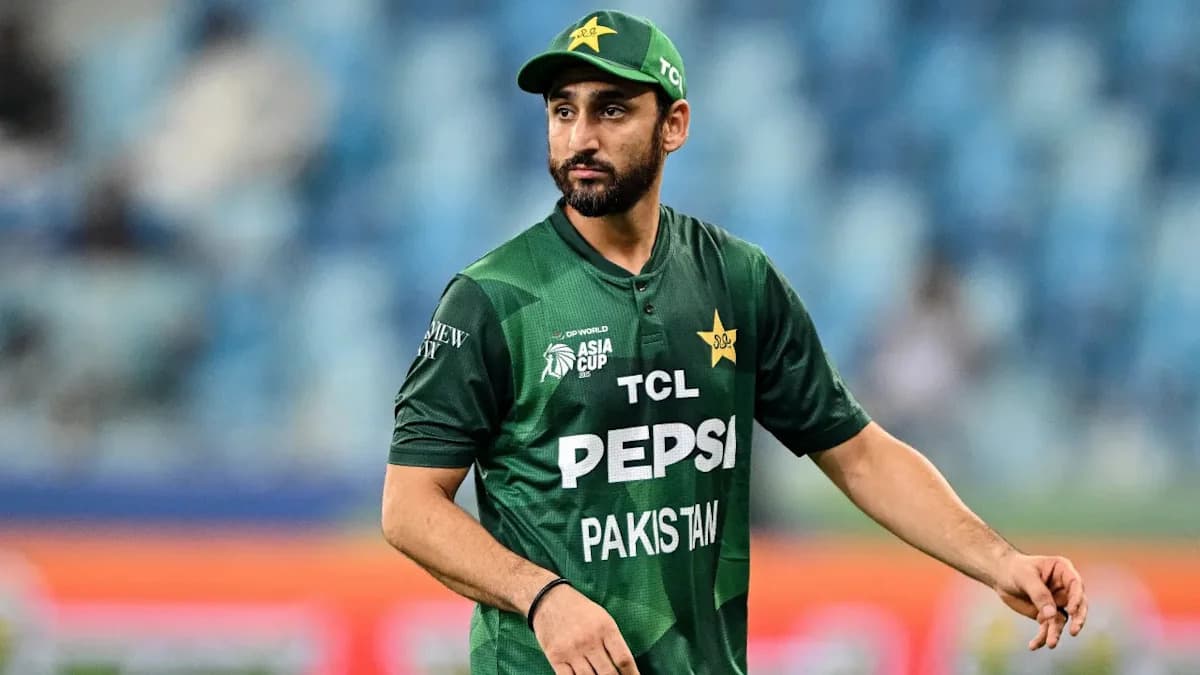
Naqvi — who also heads the Pakistan Cricket Board and serves as Pakistan’s interior minister — remained on stage, ready to present medals and the trophy. The Indian team never came. Social media footage showed them walking off the field as Naqvi and his fellow officials waited.
The ceremony fizzled out. Sri Lanka’s players and the match officials received their medals. Naqvi handed the runners-up cheque to Sri Lanka captain Chamari Athapaththu. Then it was over. No trophy in Indian hands. No shared podium. No handshake line.
A Stand That Runs Deeper Than One Night
India coach Amol Muzumdar did not dress it up.
“This is BCCI's stand [to not take trophy from Naqvi]. We can't say anything on this,” he said. The message was blunt: the decision belonged to the board, and the team fell in line.
“India are officially the champions. Trophy or no trophy doesn't matter to us,” Muzumdar added. “For us, this tournament is over, we are the champions. That's good enough. It was on the big board that India are the champions of Asia Cup 2026.”
The refusal to accept medals and silverware from a Pakistani official is no one-off flashpoint. It has become a pattern, hardened by a wider political climate that last year pushed India and Pakistan to the brink of war.
That tension has seeped into almost every shared cricketing space between the two countries. Indian players have repeatedly avoided handshakes with Pakistan’s cricketers. They have turned away from trophies and medals when a Pakistani administrator has been the one offering them.
The men’s Asia Cup told the same story. India beat Pakistan three times, including the final, but Suryakumar Yadav’s side would not take the trophy from Naqvi and declined handshakes with Pakistan players after any of the three matches.
The women followed that line earlier in this tournament, walking past their Pakistan counterparts without the traditional post-match exchange. Muzumdar backed that stance then as well: “That stand has been taken by BCCI and we stand by it.”
Cricket in the Crossfire
The Asia Cup in Dubai was supposed to showcase the depth and quality of women’s cricket in the region. India delivered their part with the ball and bat. Their dominance was never in doubt.
But the image that lingers is not a booming cover drive or a tumbling set of stumps. It is a stage with a waiting official, a gleaming trophy, and an absent champion.
On the scoreboard and in the record books, India’s women stand where they have so often stood before: on top of Asia. On the podium, though, there is now a gap that speaks as loudly as any victory margin.
How long that gap remains may depend less on runs and wickets, and more on what happens far beyond the boundary rope.