India Eyes Women’s Asia Cup Crown Amid Trophy Controversy
Dubai has seen its share of India–Pakistan flashpoints. It might be about to get another.
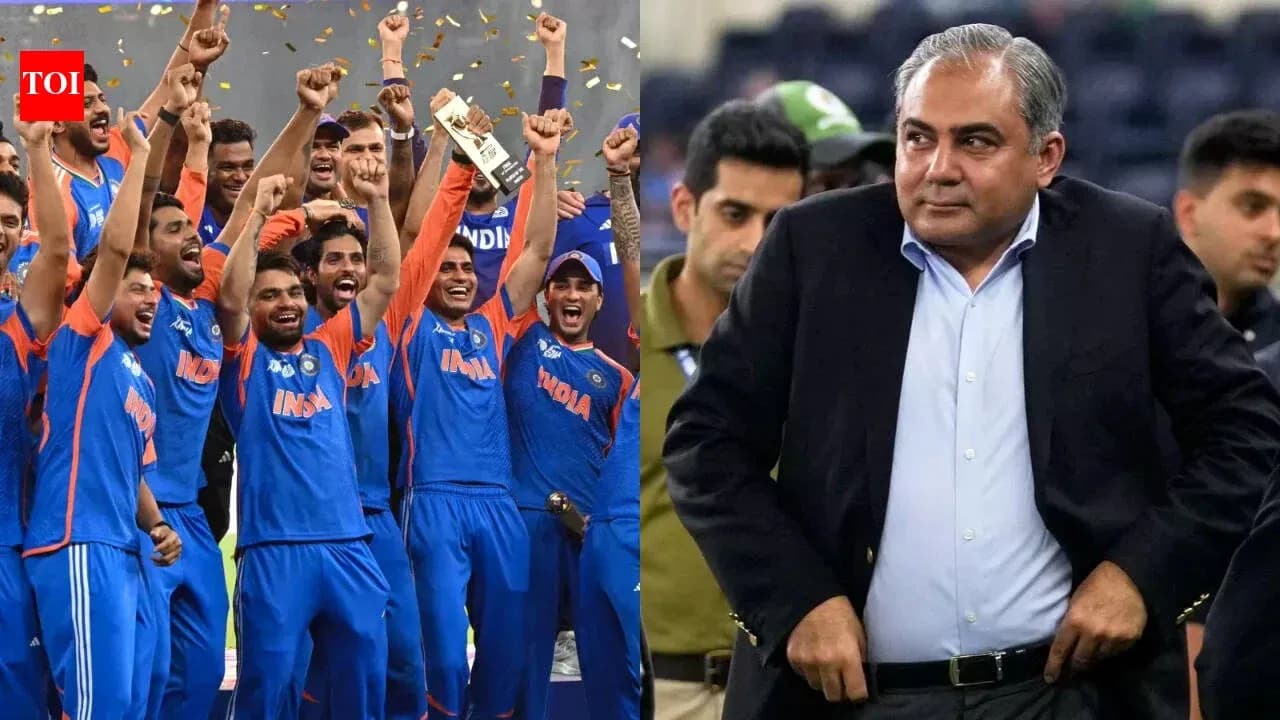
As the ACC Women’s Asia Cup 2026 moves towards its climax, the cricket is not the only storyline building in the desert. The presence of Mohsin Naqvi – chairman of the Pakistan Cricket Board and president of the Asian Cricket Council – at the final on September 13 has reopened an old, raw question: if India win, who hands them the trophy, and will they take it?
Echoes of a night that never really ended
The last time Naqvi stood at the centre of an Asia Cup final in Dubai, the cricket finished on time. The ceremony did not.
On September 28, 2025, Suryakumar Yadav’s India beat Pakistan in the Men’s Asia Cup final. What should have been a routine coronation turned into an extraordinary standoff. The post-match presentation stalled for more than an hour as officials wrestled with one issue: would India accept the trophy from Naqvi?
They did not. The Indian players climbed the podium, celebrated, posed, but the silverware never entered the frame. Naqvi, who at the time combined his ACC and PCB roles with a stint as Pakistan’s Interior Minister, left the Dubai International Stadium with the trophy still in his possession. It has yet to be handed over to India and remains at the ACC office in the city.
That decision came against a backdrop of heightened tension. The tournament followed the Pahalgam terror attack, and Naqvi had posted anti-India statements on social media during the event. By the time the final ended, the atmosphere around the presentation was combustible. The image of India’s champions without their trophy became one of the defining moments of the competition.
Now, less than a year later, the script threatens to repeat with a new cast.
Naqvi’s seat at centre stage
As ACC president, Naqvi is expected to be the chief guest at Sunday’s closing ceremony. The Women’s Asia Cup is an ACC event; by protocol, the president holds the right to present the trophy to the winners.
If that winner is India, the scene writes itself. Harmanpreet Kaur’s team on the podium. Naqvi on the stage. Cameras trained on a handshake that may or may not happen.
The Board of Control for Cricket in India has kept its counsel so far. There has been no public indication of how the women’s side would handle the moment if they go all the way and Naqvi steps forward with the silverware. The decision, as things stand, will rest with the players and team management on the night.
One thing is clear: if India lift the trophy, the presentation will be watched as closely as the cricket that precedes it.
India in command on the field
On the pitch, India have given every indication they intend to be there when the ribbons are tied and the confetti falls.
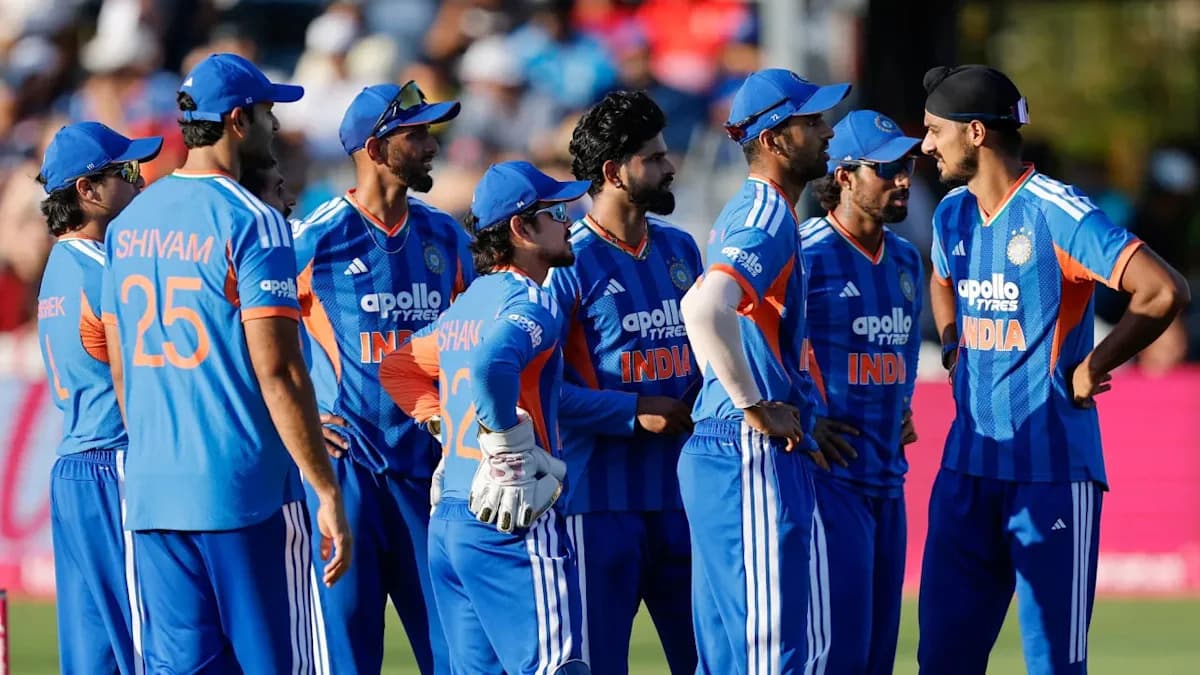
Harmanpreet’s side have moved through the eight-team tournament with authority, unbeaten and largely untroubled. They opened with a win over Thailand, then brushed aside Hong Kong, building rhythm without fuss.
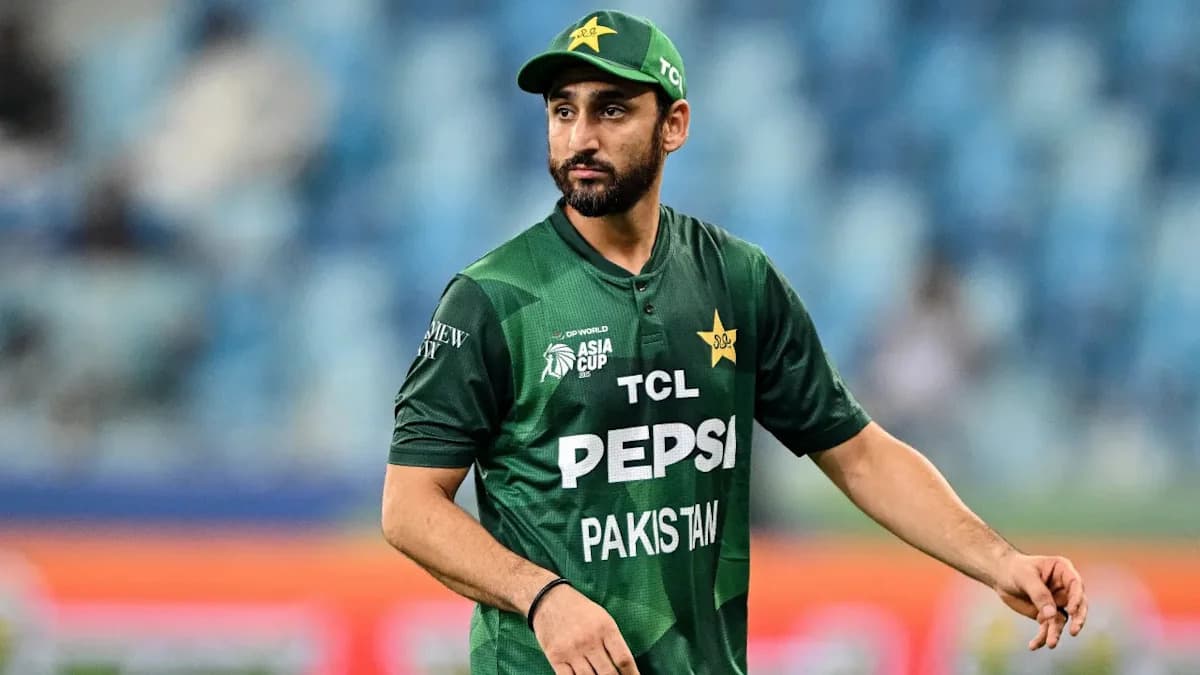
The statement performance came against Pakistan. In a fixture that rarely lacks edge, India stripped away any sense of jeopardy. Their bowlers routed the Fatima Sana-led team for just 55 in Dubai, then chased the target with seven wickets in hand. It was ruthless, clinical, and it underlined why they sit among the clear favourites heading into the knockout phase.
The campaign has also carried a historic personal note. Smriti Mandhana, already the heartbeat of India’s top order, moved past Mithali Raj to become the leading run-scorer in women’s international cricket. It is the sort of landmark that usually dominates a tournament’s narrative. This week, it shares the stage with a very different storyline.
India are already through to the semi-finals. The cricketing questions from here are straightforward: can they sustain this form under knockout pressure, can their batting hold up if early wickets fall, can their spinners continue to strangle opponents on slow surfaces?
The question hanging over everything else is not.
Another flashpoint in waiting?
If India reach the final and win on September 13, the moment that follows could echo last year’s drama, this time with Harmanpreet Kaur at the centre instead of Suryakumar Yadav.
Naqvi is again in position to present the trophy. India again carry the weight of recent history and political undertones into what should be a simple sporting ritual. The world again will watch to see whether the champions extend their hands – or keep them by their sides.
The cricket will decide who climbs the podium. The real intrigue may begin once they get there.