India's Women Clinch Eighth Asia Cup Title Amid Controversy
Kapil Dev’s dry one-liner cuts through a storm that refuses to blow over.
India’s women’s team clinched a record eighth Asia Cup title in Dubai on Sunday, hammering Sri Lanka by 72 runs. On most nights, that margin and that milestone would own the headlines. Not this time.
The trophy stand stood at the centre of the ground. Mohsin Naqvi, Asian Cricket Council chief, Pakistan’s interior minister and chairman of the Pakistan Cricket Board, waited in his role as chief presenter. India’s players never walked out for the official handover.
They had already won the tournament. They chose not to win the photo-op.
The scene instantly echoed the men’s Asia Cup of 2025, when Suryakumar Yadav’s India also refused to receive the trophy from Naqvi. A year on, the script repeated itself, the images just as stark: a gleaming cup, an empty podium, a political undercurrent running right through a continental final.
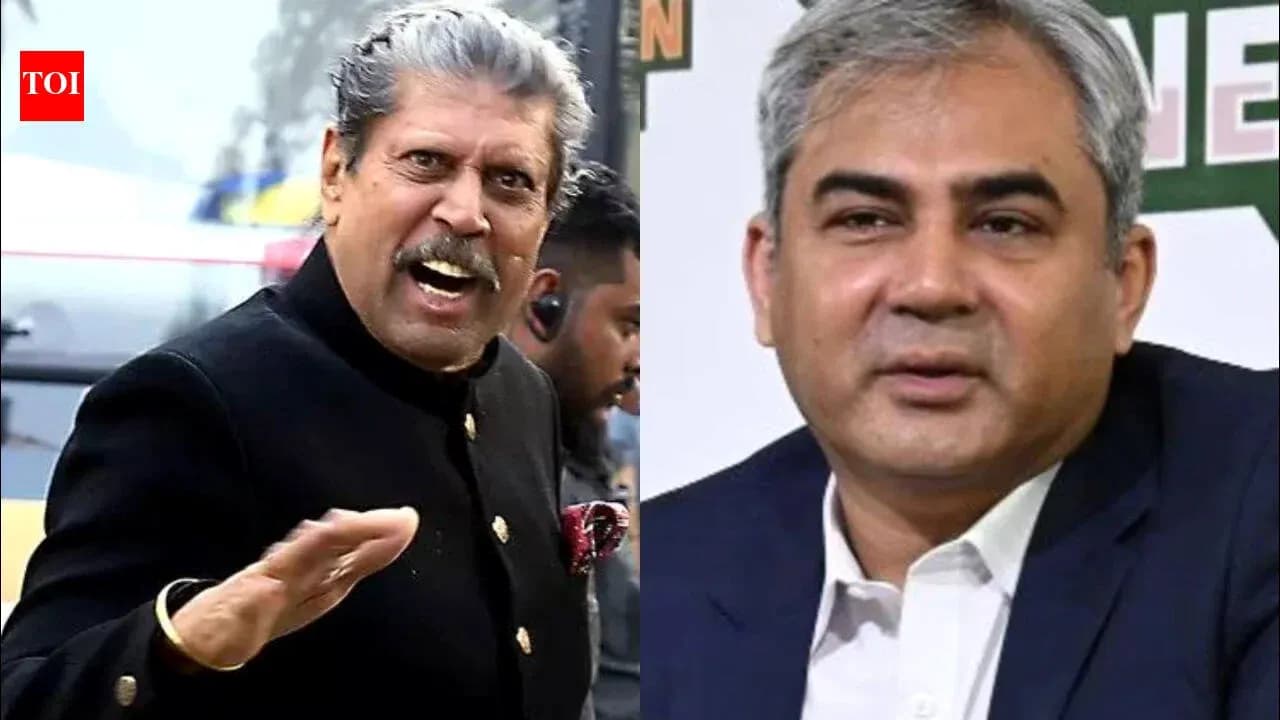
Asked what he made of the women’s team decision, Kapil Dev didn’t reach for a lecture or a diplomatic fence. He went for a jab.
“Tell all of them to play golf,” he told ANI.
No elaboration. No sermon. A Hall of Famer reducing a combustible talking point to a single, sharp line.
BCCI: ‘We had already made our position clear’
If the moment looked like a spontaneous snub from the players, the Board of Control for Cricket in India moved quickly to shut that idea down.
BCCI secretary Devajit Saikia underlined that this was not a flash reaction to anything that happened at the venue, but a stance relayed to organisers well before the ceremony.
“Winning the trophy is one thing, but winning the tournament is what truly matters,” Saikia told ANI, drawing a line between sporting achievement and the optics of the presentation.
He insisted the controversy “did not stem from our side,” pointing back to the previous year’s episode and the Asian Games issue, which he said was “known to the entire nation.” In other words, this was part of a broader, consistent policy, not a one-off protest.
The board, Saikia said, had warned organisers in advance that India would not fall in line with the proposed format of the prize distribution.
“We had stated beforehand that we did not approve the manner in which they had planned the prize distribution ceremony. We informed their chairman that if they proceeded with that specific system, we would not participate,” he said.
The ACC did not budge. India followed through.
“Since they did not agree, we chose not to accept the trophy in that manner; we will collect it later,” Saikia added, making it clear that the physical cup will eventually find its way into Indian hands, just not via the stage Naqvi was standing on.
‘We act as one’
The BCCI also moved to protect the dressing room from any suggestion of rebellion or split.
“This was entirely the BCCI’s decision,” Saikia stressed. “We had discussed everything internally, and the BCCI’s stance remains consistent with what it was previously.”
He underlined unity at every level: “Whether it concerns the players, the team, or the BCCI officials, we are all united; there is no divergence between the players’ decisions and the BCCI’s decisions. We act as one.”
In that framing, India’s women did not defy a protocol on a celebratory impulse; they executed a board directive grounded in last year’s experience and an already-declared position.
So the night ended with two scorelines. On the field: India by 72 runs, champions again. Off it: India 2, Mohsin Naqvi 0 in Asia Cup trophy ceremonies.
The cup will eventually be lifted, photographed, paraded. The question now is how many more times this standoff will play out before someone changes the script.