India’s Golden Surge: Cricket Triumphs and Lakshya Sen’s Comeback
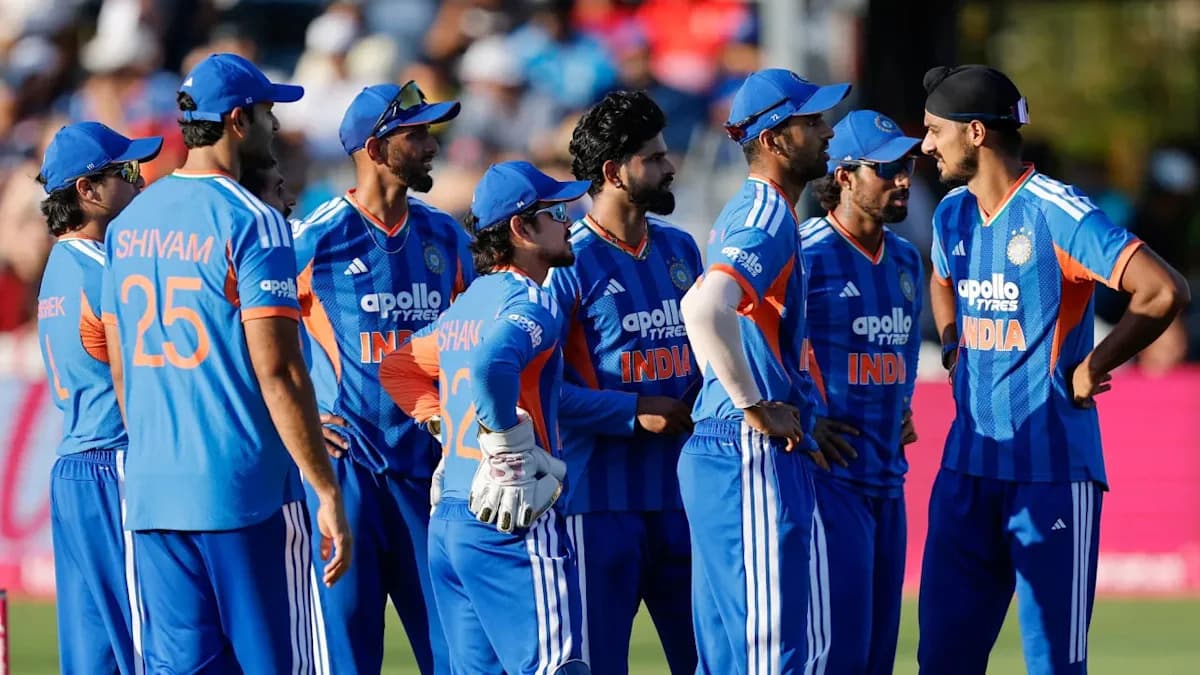
India’s women cricketers walked into the Asian Games final with expectation on their shoulders and walked off having set Sri Lanka an Everest.
Smriti Mandhana was the architect. Classy, uncluttered, ruthless when it mattered. Her 79 from just 45 balls gave India the perfect launchpad, the left-hander threading gaps, skipping down the track, and punishing anything even fractionally off length. She looked set to go all the way until Sri Lanka finally prised her out with India 163/3 in the 17th over, a dismissal that carried the weight of a breakthrough rather than simple relief.
By then, the damage was already substantial.
Shafali Verma had bludgeoned 48 at the top, combining power with a hint of restraint, before the innings caught fire at the death through Richa Ghosh. Richa arrived with licence and used every bit of it, hammering 49 from 22 balls. Sixes flew, Sri Lanka’s lengths disintegrated, and the final overs turned into a one-way assault.
India closed on 216/3 in their 20 overs. In a gold-medal match, it was more than a score. It was a statement.
Athapaththu falls, India scent gold
The chase began with a familiar name carrying Sri Lanka’s hopes. Chamari Athapaththu, their captain and talisman, stood between India and a procession.
She tried to counterpunch. She found 29 brisk runs, hinted at the kind of innings that could turn a final on its head. Then Deepti Sharma intervened.
One ball, one error, one stunned look. Deepti sent Athapaththu back for 29, and the expression on the Sri Lankan captain’s face told its own story: she knew the chance she’d let slip. At 43/3 after seven overs, chasing 217, Sri Lanka’s biggest hope had gone, and with it, most of the belief in a miracle.
India’s bowlers swarmed. Shafali Verma, already a menace with the bat, turned the screws with the ball. Her second wicket, removing Hasini Perera, deepened the crisis. Sri Lanka’s chase, already steep, now resembled a climb without ropes.
With Sri Lanka tottering and India’s fielders buzzing, the equation stopped being about runs and overs. It became a matter of time. The Indian contingent rose to its feet; this felt like the kind of performance that ends in a podium, not a post-mortem.
Harmanpreet Kaur had thrown the new ball to Kranti Goud at the start, backing her attack to defend 217. With Athapaththu gone and Sri Lanka three down early, that faith looked well placed. Gold felt close enough to touch.
Lakshya Sen’s storm: from 11-21 to a stunning turnaround
On another court, in another arena, an Indian athlete was writing a very different script — one built on stubbornness, calculation and nerve.
Lakshya Sen began his men’s singles quarter-final against World No.7 Kodai Naraoka on the wrong side of the drift and the wrong side of the scoreline. The first game was brutal. Naraoka dictated tempo, dragged Sen front and back at will, and wrapped up the opener 21-11 in just 18 minutes. Lakshya’s timing deserted him; his final point of the game ended with a tossed shuttle drifting long. It looked ominous.
Then the match flipped.
Switching to the better side of the court, Lakshya found both rhythm and resolve. He adjusted to the drift, tightened his defence and began to ask different questions. Naraoka, suddenly, had no answers. The Indian raced to 8-2, then 11-2, the Japanese shuttler spraying lifts wide, dumping drops and smashes into the net. The shuttle was dropping quicker than either man liked, but only one of them adapted.
Lakshya took the second game 21-5. A demolition. The tie, once one-sided, now hurtled into a decider with the momentum entirely reversed.
The final game started from the “bad” side for Lakshya, but by then he had decoded the conditions. His plan was simple and ruthless: defend, defend, defend, then punish anything played flat. He dragged Naraoka into long rallies, soaked up pressure, and waited for the error. Naraoka tried to flip the script, pushing Lakshya deep and daring him to attack from the backcourt. For a while, it worked. The Japanese led 17-13 and then 19-14. The finish line was in sight.
That’s when Sen dug in.
Point by point, he chipped away, his defence turning into a wall. Naraoka’s composure cracked. The errors multiplied. Under the weight of Lakshya’s consistency and deceptive half-smashes, the World No.7 suffered a meltdown in the closing exchanges.
From 14-19 down, Lakshya reeled off seven straight points to snatch the decider 21-19. The match lasted 1 hour and 6 minutes, but the defining stretch came in those final rallies, where Sen’s patience and reading of the drift were repaid in full.
He had been outplayed, then he out-thought. He had been bullied, then he bullied back. By the end, it was Naraoka who looked trapped, not Lakshya.
Next up: Satwik–Chirag step into the spotlight
Lakshya’s win did more than just put a point on the board. It set the tone.
With the opening men’s singles secured after that stirring comeback, India turned to their top-ranked men’s doubles pair, Satwiksairaj Rankireddy and Chirag Shetty. The duo, among the best in the world, were up against Japan’s Takuro Hoki and Yugo Kobayashi, ranked ninth globally.
The stage was primed: India with the early punch landed, their star doubles pair stepping into the arena with momentum at their backs and a quarter-final tie there for the taking.
Table tennis: India’s men crash out early
Not every Indian campaign survived the day.
In men’s team table tennis, the 2018 bronze medallists bowed out with a jolt, losing 0-3 to Korea in the pre-quarterfinals. The scoreline was stark, the margins inside each match less so, but the result was unforgiving.
Harmeet Desai went down 1-3 to Jang Woojin. Manush Shah fought hard before losing 2-3 to Oh Junsung. Manav Thakkar then fell 1-3 to An Jaehyun, sealing India’s exit.
One question lingered in the aftermath: did India miss the experience of G Sathiyan, who was not fielded in this crunch tie?
Fencing heartbreak by a single point
In women’s individual Epee, Mitva Jesangbhai Chaudhari’s campaign ended with the kind of defeat that haunts athletes for a long time.
She led China’s Jingwen Yang 5-4 after the first period in their Table of 32 bout, holding her own and then some. The contest remained tight, blow for blow, until Yang edged it 15-14. One touch. One lapse. One point between progression and elimination.
Fine margins, brutally exposed.
India’s hopes in the event now rest with Taniksha Khatri, who moves into her women’s individual Epee Table of 16 match carrying not just her own ambitions, but the weight of a nation looking for another surge on a day already packed with drama.