Japan's Historic Cricket Match Against India: A Turning Point
On the edge of a typhoon, with clouds piling up over Sano, Alan Curr was dragging covers off a wicket that might just change Japanese cricket.
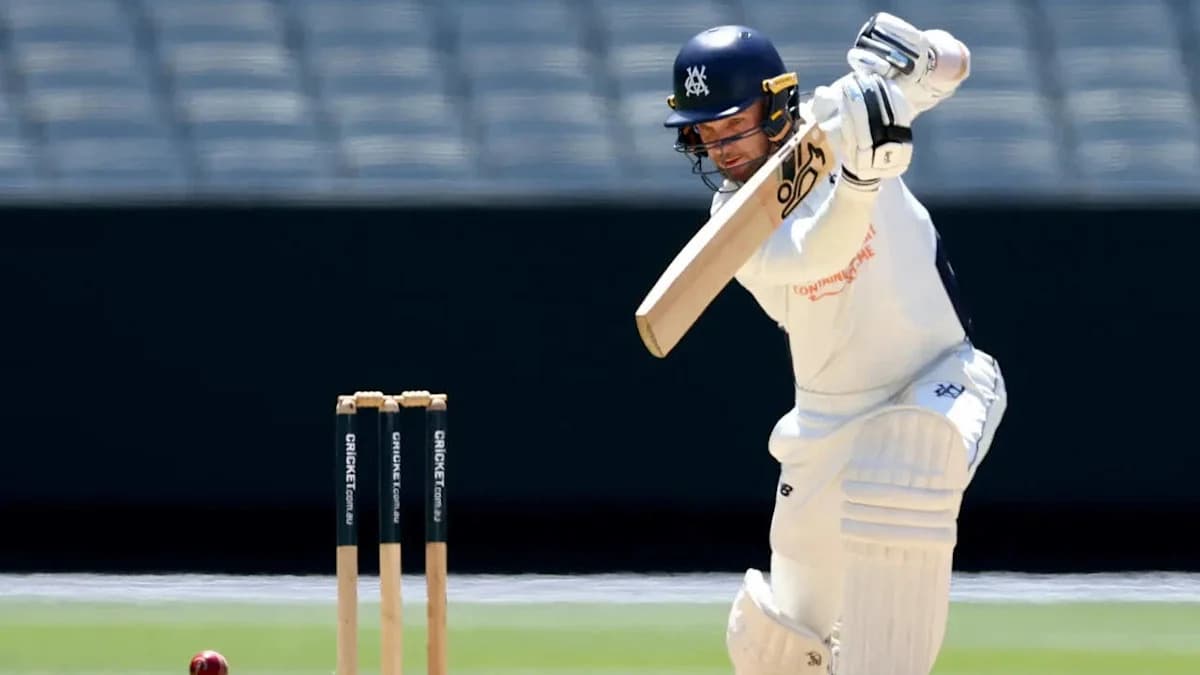
By mid-morning, the Japan Cricket Association COO had swapped roles again. One minute he was hauling hospitality tents into place, the next he was walking the perimeter, checking security plans. A ground with 500 permanent seats was being dressed up to welcome the reigning T20I world champions. It looked less like a modest outpost and more like a stage.
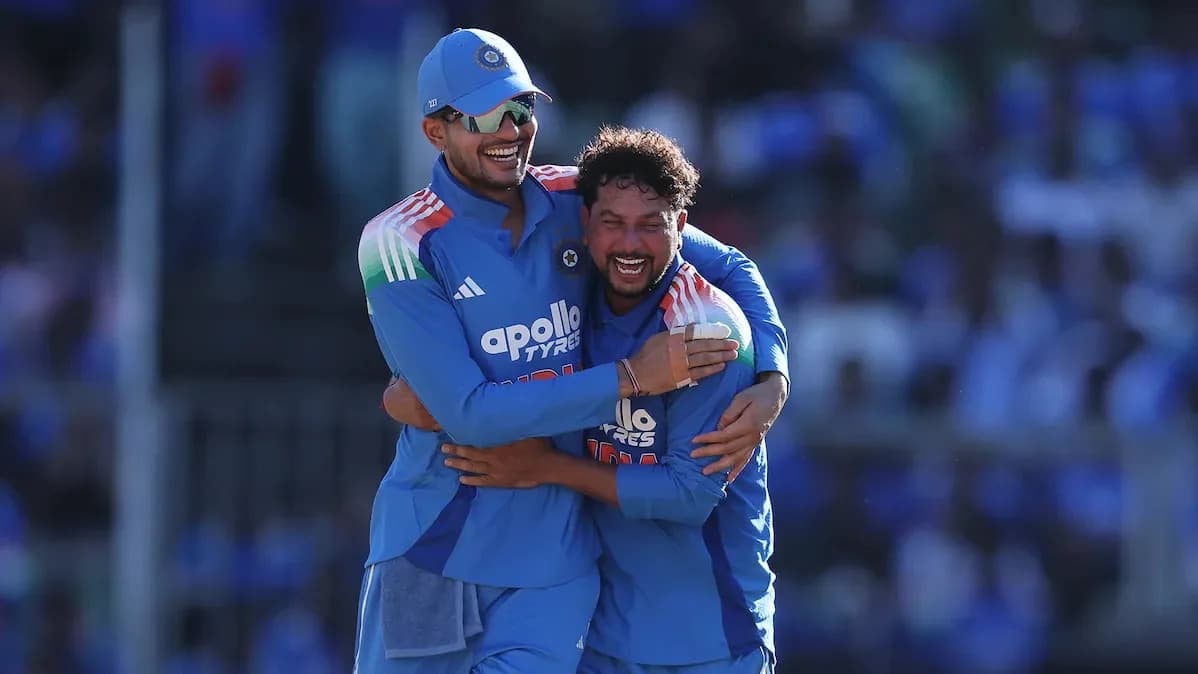
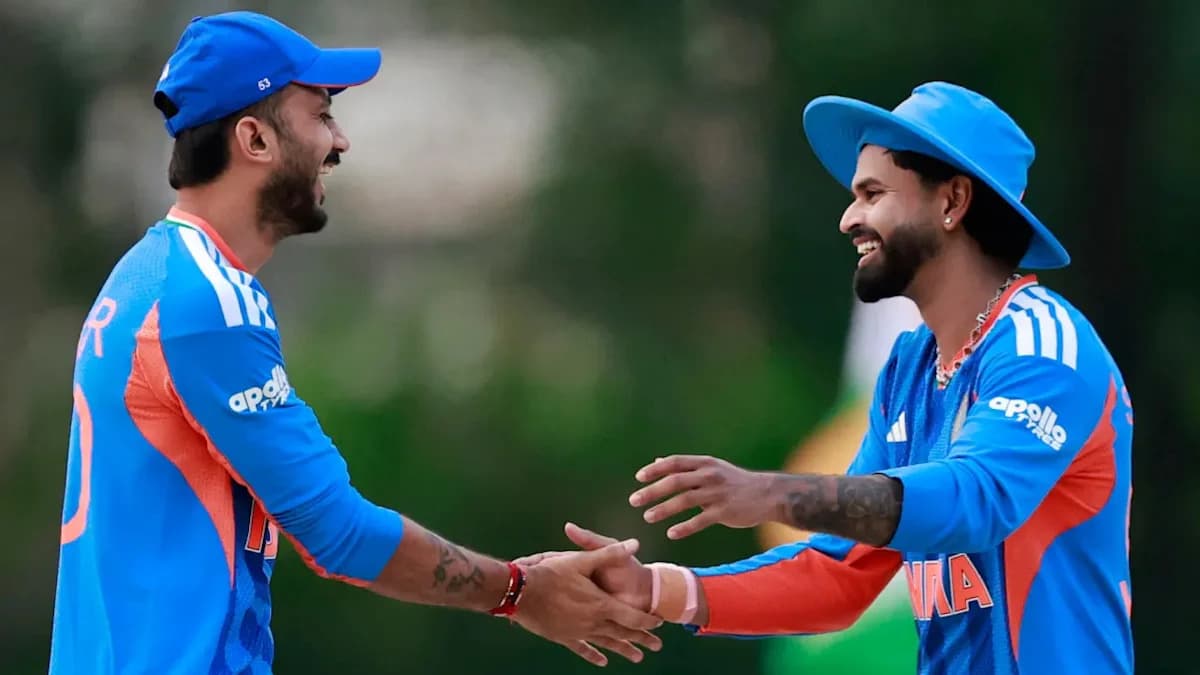
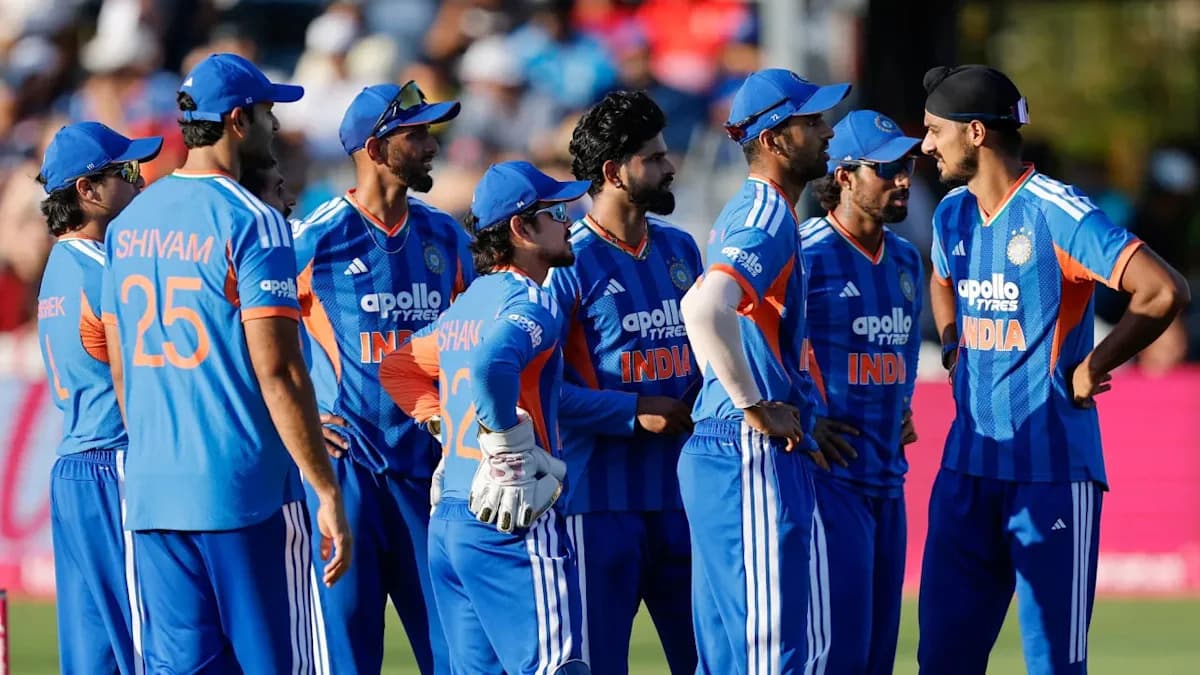
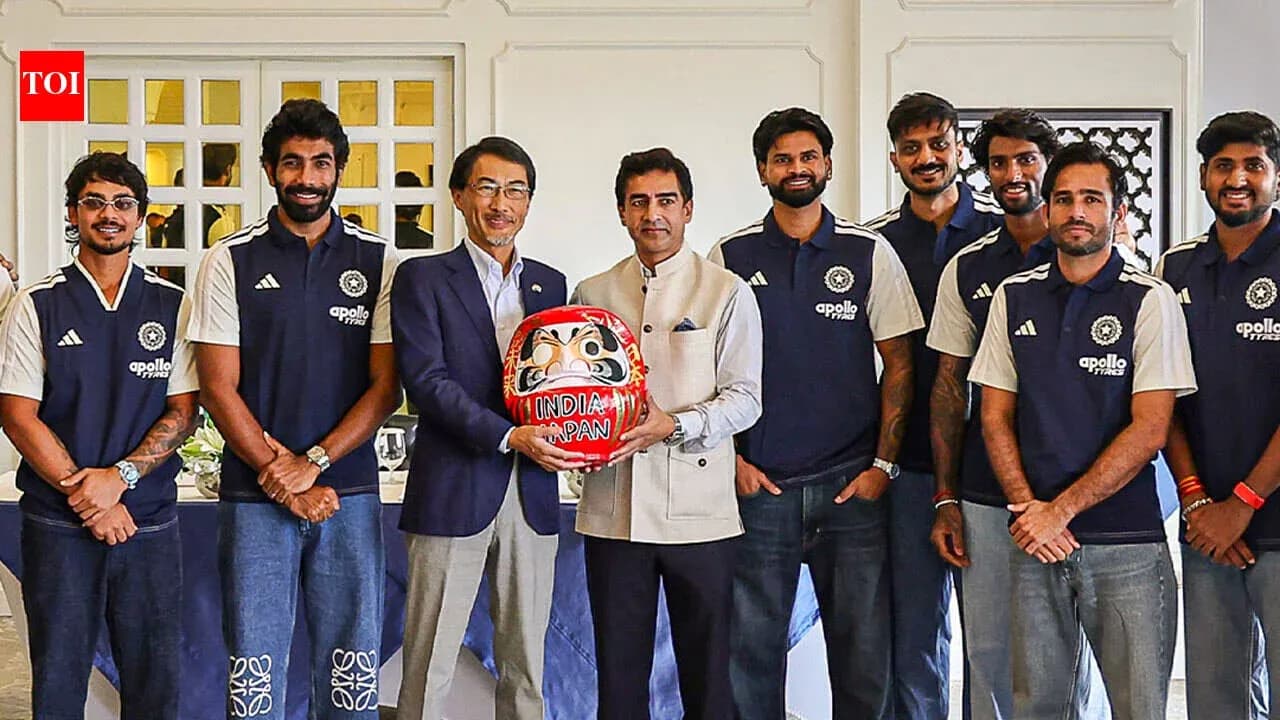
If the weather holds, India will walk out against Japan on Tuesday in the country’s first-ever men’s senior international against a Full Member. For Japan, the result will sit somewhere down the list. Just getting India here is the victory.
“A lot of success has almost already happened,” Curr says. “The fact that India have agreed to come, the fact that I’m sitting here talking to you guys, the fact that Japanese media are coming to learn about cricket — we’re having successes already.”
Cricket’s loudest moment in Japan
Cricket is not a stranger to Japan. It arrived in the 1870s. It simply never won the fight for attention.
Baseball owns the summer. Football, Sumo, Basketball, Golf, Tennis, Boxing — all sit ahead in the pecking order. Cricket has existed in the gaps, in parks and school fields, on weekends and in small leagues.
India’s arrival blows that quiet existence wide open. This is not a development tour. This is the No. 1 ranked T20I side, the world champions, landing in a country where many still confuse a bat with a baseball slugger’s tool.
“It certainly helps to say that the reigning world champions, the No. 1 ranked team in the world, are coming to Japan,” Curr says. Interest has spiked. Phones are ringing. Japanese media, often indifferent to the sport, suddenly want explainers.
There is a bigger window about to open too. Cricket returns to the Asian Games in Aichi-Nagoya days after this T20I, giving the JCA a rare chance to piggyback on a major multi-sport event that the Japanese public already understands.
“The Asian Games gives cricket legitimacy that it didn’t have before,” Curr says. “You can’t be what you can’t see.”
Quiet growth, Japanese style
Behind this week’s fanfare sits a decade of steady, almost understated work.
When Curr arrived in 2014, Japan had around 3,000 registered players. That number is now 8,800. The Japan Cup, the domestic T20 competition, has swollen from barely a dozen sides to more than 80. The 40-over league stretches across four divisions. There is structure now, not just enthusiasm.
“Kaizen is the word,” Curr says. “Continual improvement. That’s what we’re trying to do for the sport. But now and again there are moments like this where you can accelerate that.”
This is one of those moments. A global giant dropping into a growing, still-fragile ecosystem. A chance to turn incremental progress into something more visible, more permanent.
Winning hearts, not just overs
On the field, no one is pretending this is an even contest.
“This India team is pretty good,” Curr says, almost wryly. “It’s going to be an extremely difficult challenge for players who have never played at that level before.”
Japan’s players know what they are walking into: pace they have rarely faced, skill they have mostly watched on screens. The scoreboard may be brutal.
Curr’s gaze is elsewhere. His measure of success is not a run rate or a margin of defeat. It is how the sport feels to the thousands of people who might watch cricket live for the first time in Sano.
He points to the women’s team, who stayed back after their Asian Games fixture against India to thank supporters and mingle with fans, a small gesture that cut through in a country that values respect and connection.
That, he insists, is the template.
“We want cricket to be played hard but also be accessible and friendly,” he says. “We want cricket to be fun.”
If families leave talking about the atmosphere, about Japanese players signing autographs alongside Indian stars, about a sport that felt open rather than distant, then Japanese cricket will have claimed something more valuable than an upset win.
How clay turned into a date with India
None of this was drawn up on a whiteboard as part of a grand, long-range masterplan. The story started with dirt.
Eighteen months ago, the JCA decided to relay the turf square at Sano. They turned to Sri Lanka Cricket for expertise. An SLC groundsman flew in, walked the land, and helped identify the right clay. That same material then went into building the Asian Games venue in Nagoya.
Suddenly, Japan had international-standard wickets. A simple question followed: if the pitches were good enough for the Asian Games, why not for the world’s best?
Once the square was completed in March, the JCA moved quickly. A proposal went out to every Full Member ahead of the ICC conference in Edinburgh. Most such letters disappear into the sport’s bureaucracy. This one did not.
Conversations with the BCCI began there — and, to Curr’s surprise, gathered pace.
“The BCCI were really keen to have an opportunity to train. It’s huge credit to them that they’re excited about coming here and building this relationship with the JCA,” he says.
The calendar helped. With the Asian Games starting days later, India’s men’s squad faced a long wait before their knockout fixture, and no proper cricket facilities in the interim. Sano offered both: a training base and, eventually, a match.
So a relaid turf square, a Sri Lankan groundsman and a scheduling gap combined to deliver Japan’s first men’s senior international against a Full Member. The kind of chain of events that rarely lines up in associate cricket, but when it does, you have to grab it.
Now all that stands in the way is the weather.
If the rain stays away and the typhoon skirts past, India vs Japan will unfold in Sano on September 22 at 9:30 am IST, broadcast live on FanCode. For India, it is a tune-up. For Japan, it is a spotlight they have been edging towards for a decade.
The question now is simple: when the world finally looks in, what will it see — a one-off curiosity, or the start of something that can no longer be ignored?