Japan's Historic Cricket Match Against World Champions India
For years, when Naoki Alex Miyaji spoke about bringing India to Japan, it sounded like wishful thinking from an idealistic administrator. The CEO of the Japan Cricket Association was talking about the world champions, a team that barely finds time for all its Full Member rivals, flying across continents to face the 41st‑ranked Associate in Tokyo. It felt fanciful.
Then the Asian Games came along, and the fantasy found a fixture list.
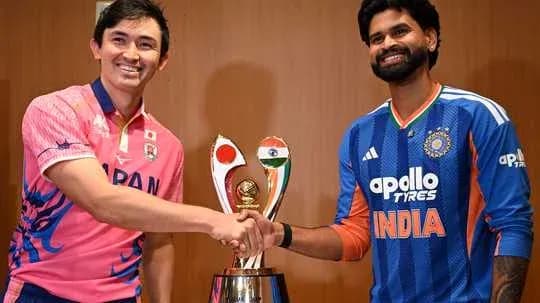
On Tuesday, at Sano International Stadium, Japan – captained by Kendel Kadowaki Fleming – will walk out to play India. Not in a warm-up, not in a charity hit-out, but in a proper, sanctioned international. For a “little-known” Japanese side, this is no ordinary game. It is a line in their sporting history.
“The CEO has had this dream for a long time,” Kendel tells Cricbuzz. The way he says it, you can almost see the years of lobbying and late-night calls behind the polite sentence. “When news first came up that we were hosting the Asian Games, Naoki had been talking about the concept of having India here for a game. So, for it to turn into reality is extremely special for a lot of people involved, and as a men's team, we can't wait.”
The wait has been long, and the work even longer.
Kendel knows exactly what it took to turn Miyaji’s dream into a fixture. “It's taken a massive effort from a lot of people involved to make it happen.” The Japan captain is quick to spread the credit. The Board of Control for Cricket in India had to say yes, and did. The JCA leadership had to push, and did. “Also to our leadership team here at the Japan Cricket Association (JCA), and in particular, the CEO,” he notes.
For India, this is a one-off stop in a crowded calendar. For Japan, it is something else entirely.
India have never played a bilateral series or even a single official match against an Associate nation. That alone gives the tie a historic edge. For Japanese cricket, it is an ‘extremely exciting opportunity’ – not only to test themselves against the reigning world champions, but to drag the sport into the wider Japanese sporting consciousness.
“It's got the potential to accelerate the growth of cricket across the country,” Kendel says. He is not talking about a gentle bump in interest. He is talking about a spike. “There's going to be more people here than ever before for a cricket match. And clearly the best quality players that we've ever had here as well.”
Those “best quality players” are not faceless names.
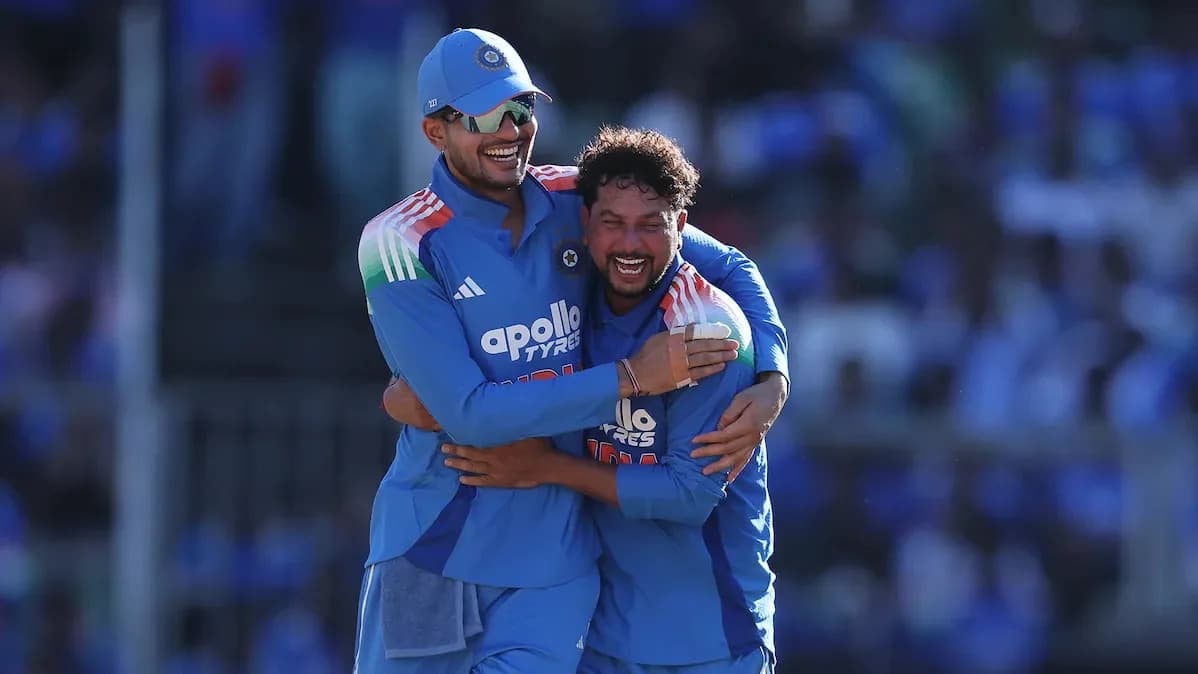
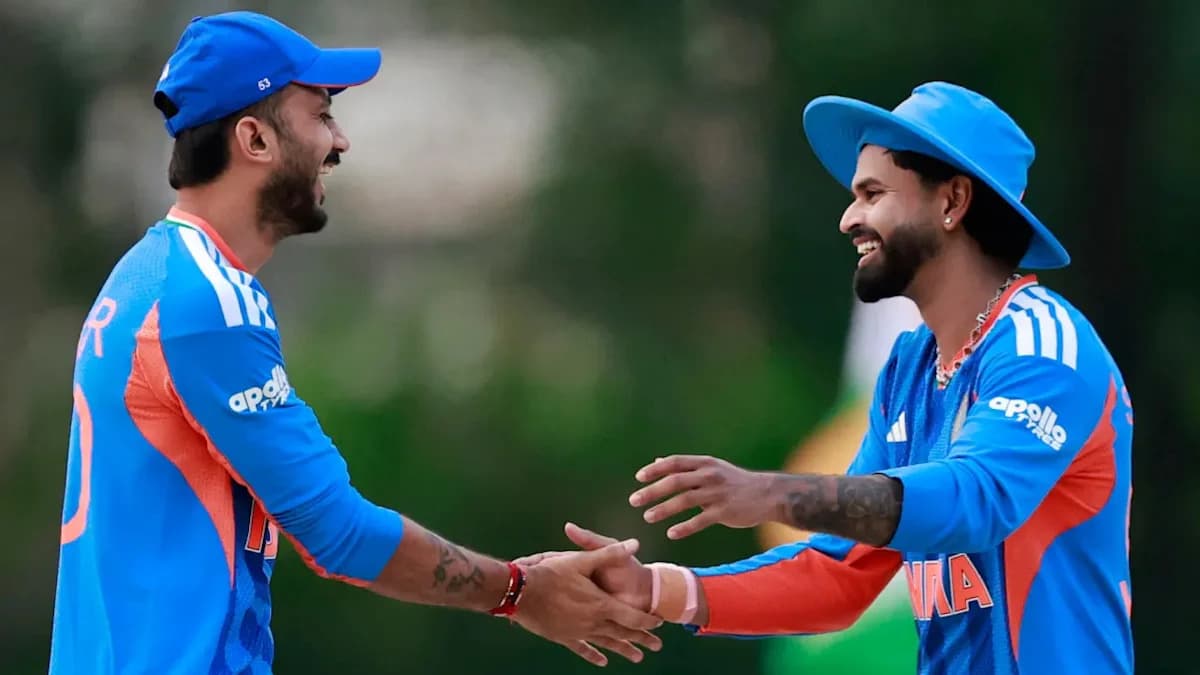
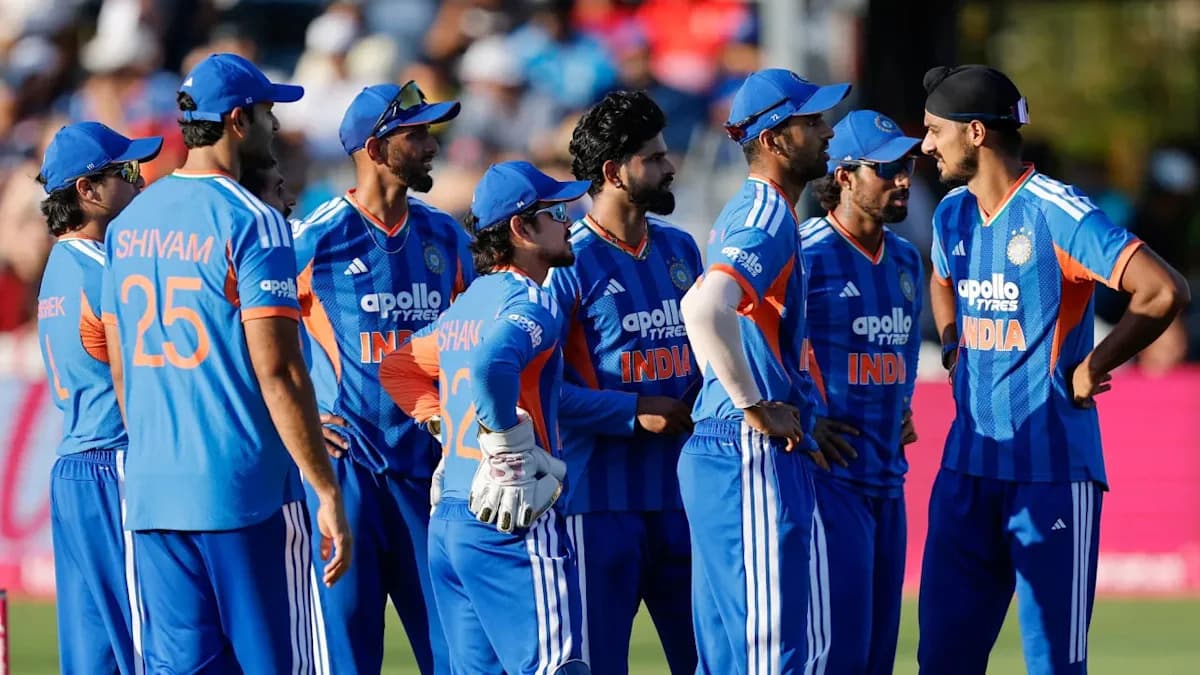
- Jasprit Bumrah.
- Abhishek Sharma.
- Shreyas Iyer.
Modern superstars, serial winners, the kind of cricketers Japan’s players have mostly watched on screens, not from 22 yards away.
“It still does sound quite surreal to be hearing about them playing here in Japan,” Kendel admits. The word “surreal” fits. This is a country where cricket grounds are outnumbered by baseball diamonds and football pitches by a staggering margin. To see Bumrah mark out his run-up in Sano is to see the sport step into a different universe.
Yet there is no trace of awe in Kendel’s competitive promise. “I can't guarantee any outcome, but what I can guarantee is that we will try our best. We'll compete and hopefully we'll give it our best shot.”
Japan will not be there to pose for photographs. They will be there to bowl, bat, dive, and scrap.
Kendel himself, 30, is a left-handed batter and right-arm off-spinner, the kind of dual-role cricketer Associate sides often lean on. Around him, Japan have assembled a squad that blends hardened campaigners with young, wide-eyed talent. One of the brightest is 17-year-old all-rounder Charlie Hara-Hinze, a left-arm spinner who has come through the JCA’s pathway system.
Japan’s identity, historically, has been clear: spin-heavy, crafty, and adapted to low, slow surfaces. That is not by design alone but by geography and opportunity. They often play in places like PNG, Thailand and Oman, where spin thrives and seamers toil. Out of those conditions has grown a side that has learned to punch above its weight.
The breakthrough came into sharper focus at the ICC Men’s T20 World Cup Qualifier 2026, where Japan stunned Kuwait with a five-wicket win. It was more than an upset; it was a statement that Japan could not only participate but compete with higher-ranked opposition.
Now comes the ultimate examination.
The International Cricket Council has circled this game in red ink. William Glenwright, ICC Head of Global Development, does not disguise the scale of it. “It's enormous, one of our aspirations as an international federation,” he says.
The numbers tell you how rare this is. More than 1,000 bilateral games were played last year, and over 860 already this year. Among that flood of fixtures, this one stands out.
“Having a full member and the world champions playing any associate member is hugely important to us from a cricket perspective,” Glenwright explains. Then he widens the lens. What does it mean for Japan as a sporting nation? For cricket’s place in a culture dominated by other games? “That's the ripple effect of a fixture like this. Because it reflects a growing confidence in the game and in the full members' belief in the abilities of our associate members to host full members in major international cricket.”
That belief is not a small thing. It is a vote of confidence in Japan’s facilities, organisation, and ambition.
Step outside the cricket bubble, though, and reality bites. In Japan, cricketers are not household names. They are not on billboards, in prime-time commercials, or on the front of cereal boxes.
The country’s true sporting icon is Shohei Ohtani.
“He’s the Virat Kohli of baseball,” Kendel says, drawing the most direct comparison he can find. Ohtani is a global star, a phenomenon who dominates both pitching and hitting in Major League Baseball. “It’s [baseball] definitely a sport that many of the supporters get behind in Japan.” Cricket, by contrast, is still fighting for oxygen.
Yet this is exactly why India’s visit matters so much.
A packed Sano, cameras trained on Bumrah and company, headlines mentioning Japan and cricket in the same breath – that is how a niche sport begins to tug at the national imagination. One televised spell, one audacious innings, one diving catch can plant a seed in a young mind that would otherwise have picked up only a bat of the baseball kind.
Kendel is under no illusions about the scale of the journey ahead, but he refuses to cap the ambition. “There's no reason why we can't aspire to become like that in cricket someday. We've got a long road ahead if we can try to replicate the full-member countries for sure.”
On Tuesday, that road runs straight through the world champions. How far Japan can travel from there is the question that will linger long after the final ball in Sano.