Japan vs India Cricket Match Broadcast Challenges
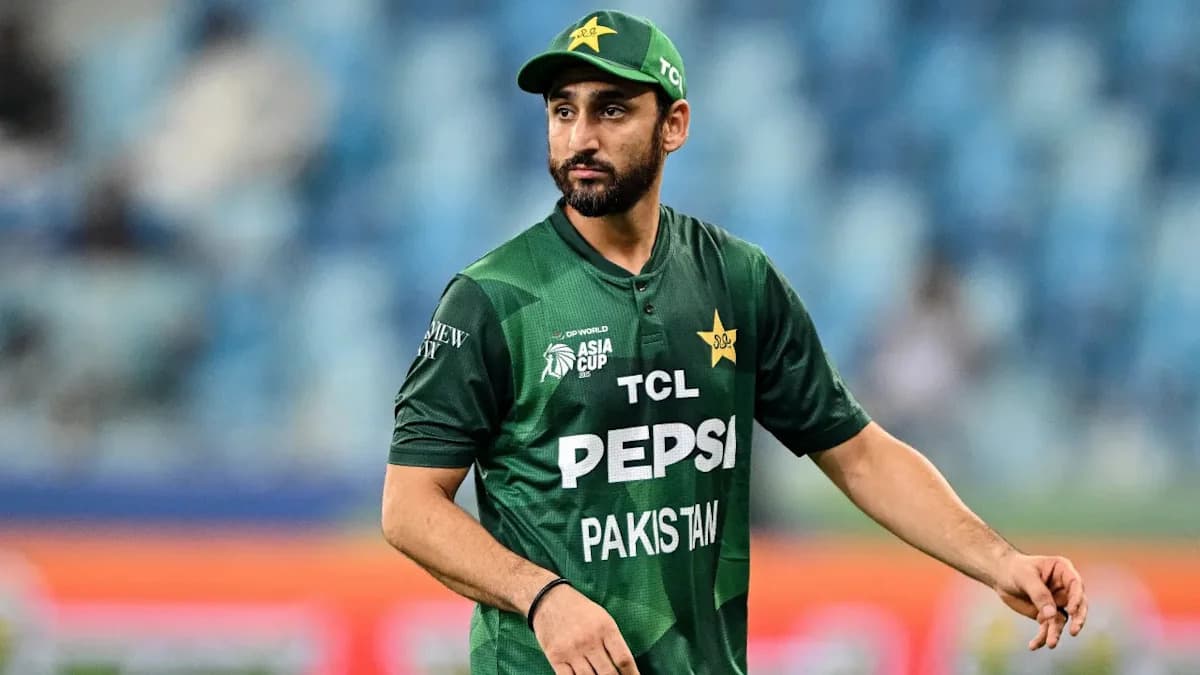
The Japan Cricket Association is scrambling to turn a historic one-off against India into a made-for-TV event, with just days left to lock in a broadcaster and thread it through an already congested Asian Games calendar.
Talks are at an advanced stage with ITW Universe, which is close to signing an MoU for broadcast rights to the September 22 match at Sano International Stadium in Tochigi Prefecture. The game, a landmark occasion for Japanese cricket, drops right into the middle of the Asian Games in Aichi-Nagoya and brings with it a tangle of logistical and production headaches.
This was never meant to be a full-scale television production. The original blueprint was modest: a basic live stream on YouTube, minimal cameras, stripped-back coverage, and the quiet acceptance that selling a one-off contest between a global giant and a developing side would be a hard pitch.
That plan is being rapidly upgraded.
The match is still expected to be available on YouTube for a global audience, but Indian viewers may get a more familiar experience, with ITW Universe sounding out major broadcasters for linear coverage. Star, Sony and Zee are all understood to be in the conversation for TV rights, while FanCode — which has built a steady relationship with the JCA through pathway tournaments — is among the digital platforms being courted for streaming.
The first ball is scheduled for 9.30am IST, 1pm local time in Japan. On paper, it’s a clean slot. In reality, it runs straight into one of the most sensitive pieces of the Asian Games schedule.
One hour after the start in Sano, the women’s gold-medal match is due to begin at Korogi Athletic Park in Nisshin City, Aichi. With the Indian women’s team firmly among the favourites to reach that final, the risk is obvious: a potential broadcast clash between a history-making men’s fixture in Japan and a medal match in a multi-sport showpiece. Sony, which holds the Asian Games rights, sits right at the centre of that scheduling storm.
Organisers did look for a way around it. Moving the Japan–India game to September 23 was on the table, but the calendar closed quickly. Japan’s men are committed to their Asian Games campaign and must travel to Aichi the day after the Sano fixture for their opening group-stage match against Afghanistan on September 24. The geography doesn’t help either. Sano and Aichi are roughly 400km apart, turning any date change into a logistical risk.
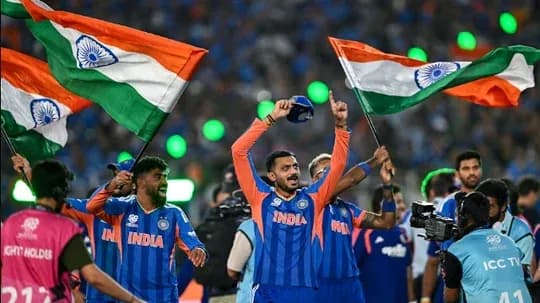
For India, the Japan stop is both a curtain-raiser and a staging post. The squad is due in Sano on September 20, with a training session booked for September 21 before what is already being billed locally as a historic occasion. The team is expected to remain in Sano for a few days after the game before heading to Aichi, where their Asian Games campaign begins with a quarter-final on September 28.
All of this unfolds at a venue that is about to be stretched to its limits. Sano International Cricket Ground officially holds around 500 spectators. The JCA plans to transform it for India’s visit, scaling up temporary facilities in an attempt to host as many as 2,000 fans.
For Japanese cricket, it is a rare spotlight. For broadcasters, it is a puzzle of rights, timing and resources. For one morning in Sano, all three worlds are set to collide.