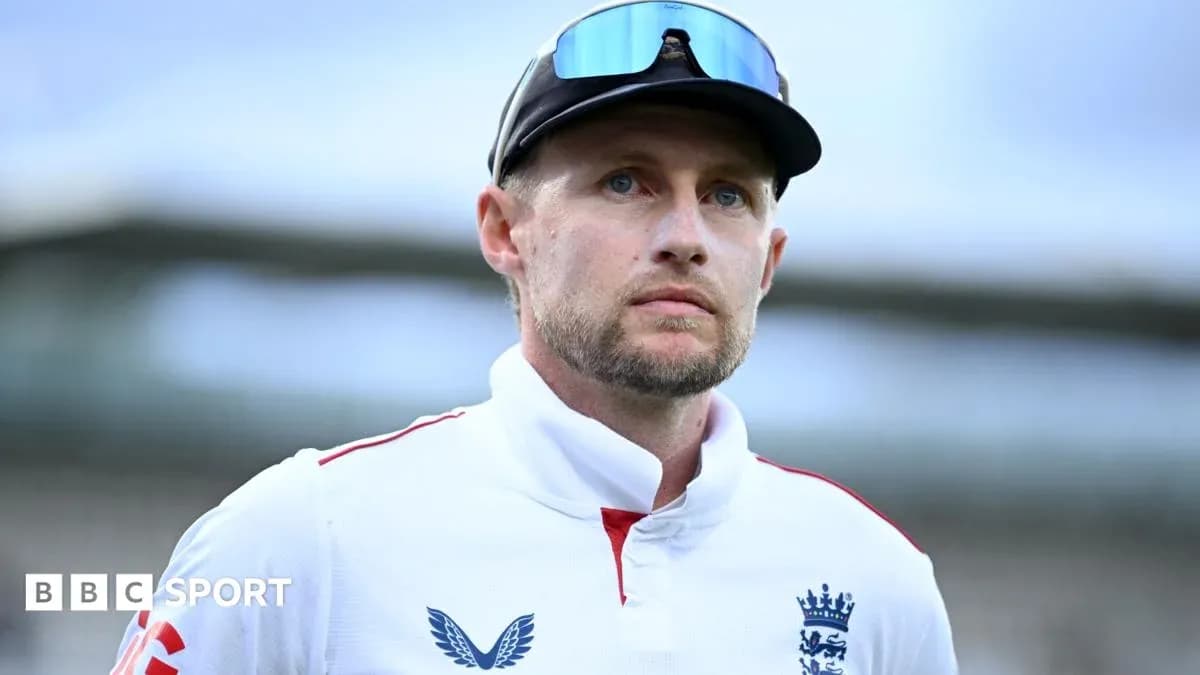
Joe Root Addresses LBW Challenges: “I’ve Got 14,000 Runs for a Reason”
Joe Root has spent the summer walking off with pad marks and furrowed brows, but the England captain is in no mood to panic.
England’s all-time leading Test run-scorer has passed fifty only twice this season. His average of 29.44 is his second-lowest in a home campaign across a 14-year international career. Nine times in his past seven Tests he has been sent back lbw, seven of those decisions arriving in this troubled summer.
Root, though, leans on a far larger body of work.
“I've played this game a long time and I've always found ways of solving those problems and working it through,” he told the BBC’s Today at the Test. “I don't see this as being any different.
“There's a reason why I've got 14,000 runs and a reason why I've played the best part of 15 years at this level.”
Only Sachin Tendulkar sits above him on the all-time Test runs list. That kind of company buys you a little perspective.
A trend, but not a crisis
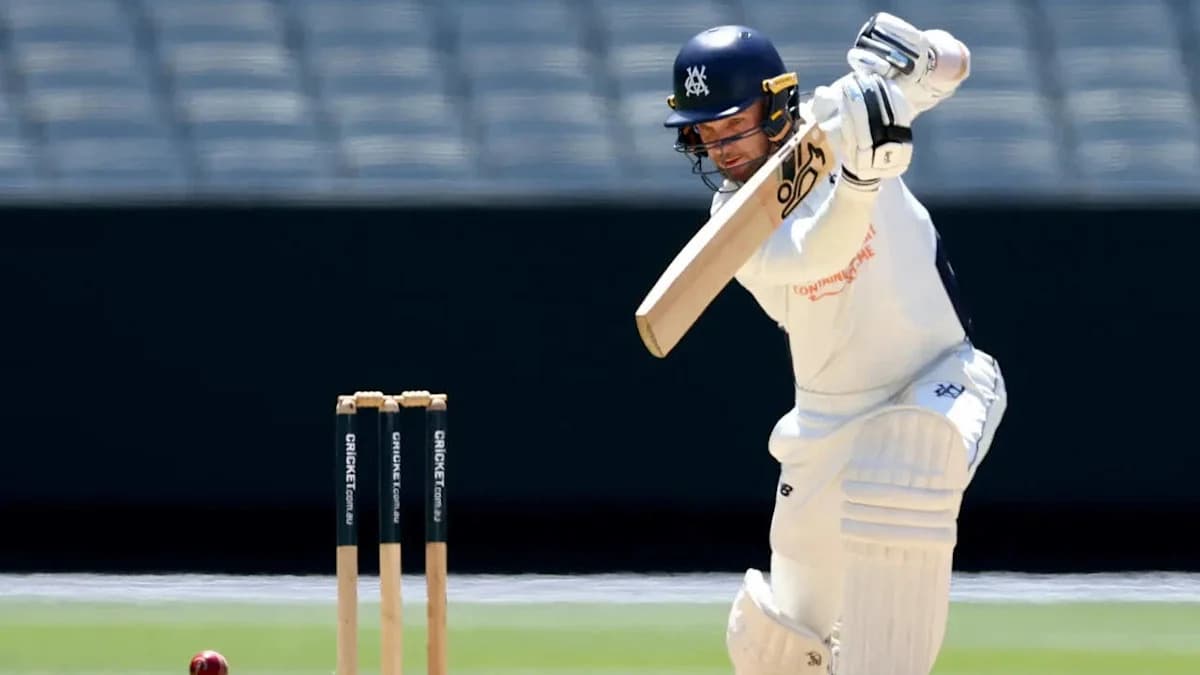
The numbers are stark enough. Since last summer’s Boxing Day Test in Melbourne, Root has been lbw nine times in 12 innings, every one of those dismissals against pace, every one from right-arm bowlers. The method has been familiar: the ball pitched outside off, jagging back towards his front pad, the umpire’s finger following.
What it has not been is raw speed. None of those bowlers operate in the high-pace bracket; they top out around 84mph. This is not express pace blowing him away. It is nagging, skilful seam, exposing a technical pattern that opponents have pounced on.
Root knows it. He also points to the conditions that have framed this English summer.
“There are probably four umpires' calls within that, which could have gone the other way, and the ball is probably deviating more than it ever has,” he said. “Of course it's frustrating that there's sort of a trend.
“You try and be realistic and understand where everything's at, but also be aware of what you need to do to keep improving and keep getting better. I'm pretty sure I'll get through the other side. I'm not too concerned about that.”
Warner’s jibe and the reality
The lbw narrative around Root has been simmering for a while. Last year David Warner, never shy of a barb, suggested the England captain “will have to take the surfboard off his front leg” if he wanted success in the Ashes.
At that moment, the numbers did not back the sledge. From August 2022 through to the fourth Ashes Test in Melbourne that December, Root was dismissed lbw by seamers only three times in Test cricket. The so‑called “front pad problem” was more perception than reality.
The story has changed since Jhye Richardson trapped him in the second innings of that Boxing Day Test. That dismissal opened the door to a genuine trend. Oppositions have walked through it.
Root’s issue now is specific and well-scouted: right-arm seamers, full enough to threaten the stumps from outside off, making him play, then using DRS or the umpire’s instinct to finish the job. For a player who has built a career on judging length and late movement better than almost anyone of his generation, it is a jarring sight.
Backed to find an answer
Root’s response is not to rage at the data but to lean into the work.
“You're never given anything in this game,” he said. “You have to work for everything. You have to keep working hard and I'll certainly keep doing that.
“You're constantly going to get challenged and you're constantly going to have to look to evolve and learn, but that's never been something I've shied away from and I certainly won't be doing moving forward.”
Michael Vaughan, who knows the weight of the England captaincy and the scrutiny that comes with a technical flaw, has no doubt Root will adjust.
“He's always overcome problems and I'm pretty sure he'll overcome this one,” Vaughan said. “It is an issue because it's happening on a regular basis, but he's had issues in the past that he's managed to come back from. There's no question he'll be fine in time.”
Root has built his career on quiet solutions rather than public drama. He has retooled his game before, against spin in Asia, against high pace abroad, against the mental grind of captaincy. Now the challenge is closer to home: a misbehaving Dukes ball, relentless right-arm seam and a pad that keeps finding itself in the firing line.
For most players, a run like this would feel like the beginning of the end. For a man with 14,208 Test runs and a career spent answering questions, it feels more like the start of his next problem to solve.