Kevin Pietersen Returns: Navigating the No-Dickheads Doctrine
Gilbert Enoka left English cricket with a neat line and a messy legacy. As his consultancy stint ended, the man who gave the world the “no‑dickheads” doctrine declared there “wasn’t one dickhead” in the England dressing room. Not one. Clean as a whistle.
History has spent the months since laughing in his face.
Because if the number wasn’t one, it certainly wasn’t zero either. Harry Brook scrapping with a bouncer. Jacob Bethell and Josh Tongue on the booze before a game. Rob Key deciding the best way to lead was to make sure nobody found out. Then Noosa. More drink. Ben Duckett vanishing into the night. Lord’s and its curfews. Ben Stokes in a sulk. Derby and the handcuffs. This wasn’t a culture. It was a head count.
Enoka meant well. He always does. His “no‑dickheads” creed has been sold as the magic bullet of modern elite sport, a culture cure-all. But the England story shows the flaw in the formula. Someone still has to decide who qualifies. And by any normal metric, most elite athletes would make the shortlist.
They are obsessive. Unreasonable. Hypercompetitive to the point of self-harm. They suppress emotion or weaponise it. They spend their lives perfecting skills that mean nothing outside a boundary rope. On any sane sliding scale, that’s premium dickhead territory.
Enoka’s version is narrower: don’t be toxic to your teammates, don’t corrode the group from within. Fine in theory. Less convincing in cricket, a sport that dresses up as a team game while living and dying on individual numbers. You don’t have to like each other. You have to make runs and take wickets. Team spirit is the varnish.
King of the “dickheads” returns
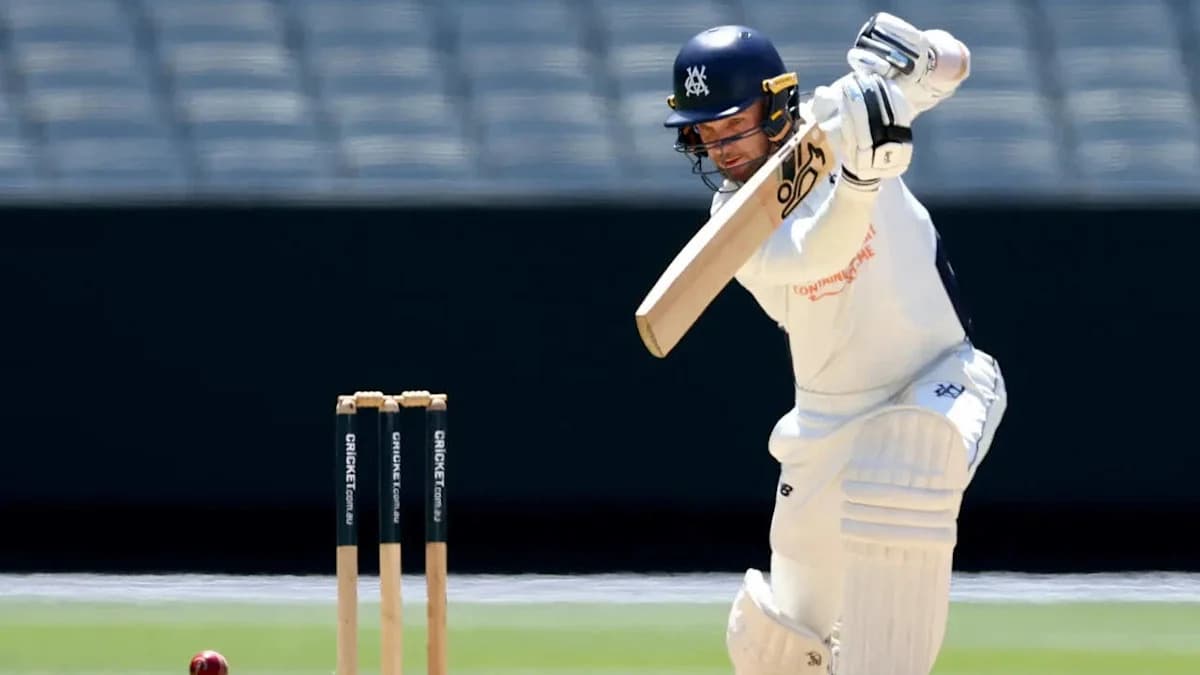
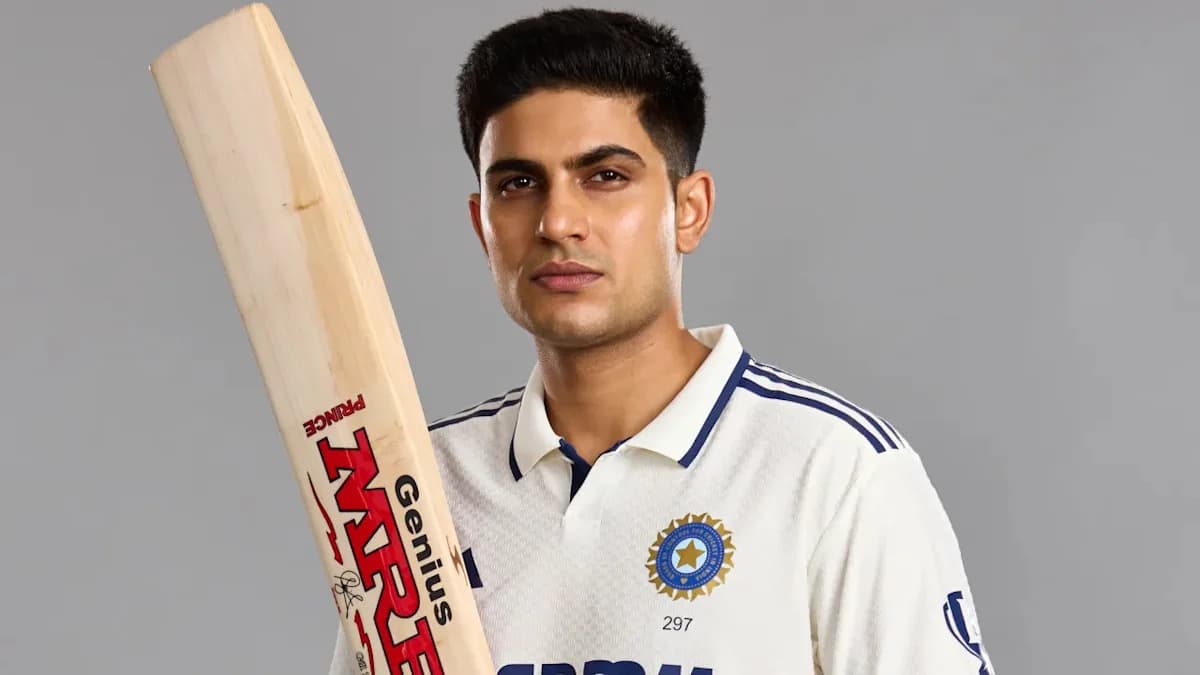
Into this swirling mess of selective morality and blurred lines steps the most divisive English cricketer of his generation. Pietersen is back, hired as England’s white-ball mentor for a three‑month ride that starts on Tuesday at the Utilita Bowl. The ECB may call it a coaching role. It feels more like a plot twist.
Because if you were drawing up a case study to test the no‑dickheads policy to destruction, you’d start with him. The skunk‑haired lightning rod. The man who helped topple two regimes, including his own. The dressing‑room outcast. The WhatsApp pariah.
And still, by any serious cricket measure, the most complete all‑format batter England have produced. Runs, average, strike rate, big‑game footprint – on every metric that matters, Pietersen sits at the top of the pile. He didn’t just score. He dragged series, tournaments, eras with him. Ashes. A T20 World Cup. Some of the most significant days English cricket has staged in the modern age.
If that’s what a “dickhead” looks like, you’d be mad not to bottle it.
So yes, welcome back, Kev. It feels right. It also feels faintly tragic that the most influential England player of his era has spent the last few years chasing clicks, dancing with kids on YouTube, chasing the algorithm instead of attacks. Pietersen loves an audience. Always has. The fear is that this all ends with him halfway up Big Ben in a Spider‑Man suit, livestreaming his own midlife crisis.
This appointment offers a different stage. And, crucially, it gives international cricket something it badly lacks right now: sheer, unfiltered box office.
Pure content, overdue sense
England are about to play six largely forgettable white-ball games in 14 days. The schedule is a blur. The stakes are modest. Yet add Pietersen to the dressing room and suddenly those venues carry echoes.
The Oval, where he hammered that feral 153 against Brett Lee, the innings that felt like a manifesto. Leeds, scene of the fury-fuelled hundred against South Africa, all adrenaline and defiance. Cardiff, and the infamous paddle sweep of 2009, so audacious it dominated the back pages for days. These grounds are not just fixtures on a list. They are chapters in the Pietersen saga.
This is more than nostalgia. From a cold, strategic point of view, KP makes sense as an ECB asset. You don’t leave your most impactful modern player wandering around the margins, sniping from commentary boxes and social media. You bring him inside the tent and point him at something useful.
Pietersen was never a prefect in the Strauss‑Cook image, never the tidy company man in blazer and tie. Those two were the last of the old guard, guardians of a version of the game that felt safe and shrinking. Pietersen, for all the chaos, was the one who saw where cricket was going and sprinted towards it.
He was right about batting. Right about the white‑ball revolution. Right about franchise cricket and the new economy. When Andrew Strauss finally cut him loose with a sermon about “trust”, it felt moral. In hindsight it looks parochial. Whose vision of the game holds up now?
The original Bazball
Strip away the slogans and the bucket hats and you are left with a simple truth: Pietersen was playing Bazball before Bazball had a name.
KP‑ball wasn’t a vibe. It was a fully formed strategy, carried out in real time against the best attacks in the world. He took risks nobody else would contemplate. He reimagined what Test batting could look like, in an era when England should have been selling that vision to the world.
Crowds in Trafalgar Square. A punkish superstar with shock‑blond hair and fast‑twitch hands. The reverse‑sweep six off Muttiah Muralitharan that briefly stopped the sport. That was the product. That was the poster. Instead, English cricket drifted behind paywalls, shrank its audience, and now tries to flog five‑ball overs at a rebranded Oval.
If cricket had stayed on free‑to‑air television, Pietersen would have been something closer to a cultural giant – a Beckham, a Botham, a daytime TV regular. Instead he became a sideshow, then a content creator, then a slightly awkward guest star in Bazball’s long-running series.
Now he’s back on the inside. The question is what they want him to be.
Mentor, not messiah
The job title is “mentor”, a word borrowed from Homer. In the Odyssey, Mentor’s job was essentially childcare – keep an eye on Telemachus, stop the kid from wasting his inheritance.
It fits Pietersen more snugly than you might think. As a player he gravitated towards the younger lads, partly because he clashed so often with the senior pros, partly because he recognised something of himself in raw, unpolished talent. He understands the need to find your own method, to break things and rebuild them.
The thought of KP working closely with someone like Aneurin Donald – a late bloomer with a fast blade and a streak of mischief – is genuinely exciting. That’s where his value lies: in giving the next generation permission to be bold, to be different, to ignore the handbook when the moment demands it.
And make no mistake, he has a handbook. For all the swagger and the showmanship, Pietersen is a batting obsessive. He lives in the details. Angles. Grip. Backlift. Footwork against head position. The rewiring he did mid‑career with his personal coach was the work of a craftsman, not a maverick.
Put that alongside Brendon McCullum and the contrast is stark.
McCullum is all cool and calm, golf clubs and good vibes. Watch his batting masterclasses and the message is almost disarmingly simple: throw me tennis balls, I’ll hit them there. Throw another, I’ll hit it somewhere else. Trust the instinct. Feel the freedom.
Pietersen’s masterclasses feel different. Technical, forensic, almost nerdy. He talks about dismantling the MCC manual, then building something new on top. One is a mood. The other is a method.
Both have value. But only one looks like a long‑term coaching blueprint.
McCullum’s unintended legacy?
Which brings us back to the man in charge. McCullum remains in post despite a record that looks thinner the longer you stare at it. The charisma is undeniable. The impact on mood and messaging is clear. The actual coaching? Less so.
That is what makes this appointment intriguing. KP’s return could end up being McCullum’s greatest contribution to English cricket – not the swaggering rhetoric, not the “brand”, but the decision to bring in someone who treats batting as a craft rather than a vibe.
Because once you let that level of detail and edge back into the room, it’s hard to pretend vibes alone are enough.
The no‑dickheads era was always a neat slogan in search of a messy reality. Elite sport is built on difficult people doing unreasonable things at unsustainable intensity. Try to filter out every awkward personality and you risk losing the very edge that wins you games.
England have chosen a different route. They’ve invited the most complicated player of their modern history back into the fold and handed him a group of young batters to shape.
If this is what a “dickhead” looks like in 2026, English cricket may need a lot more of them.