Marnus Labuschagne's Test Challenge Ahead of South Africa Tour
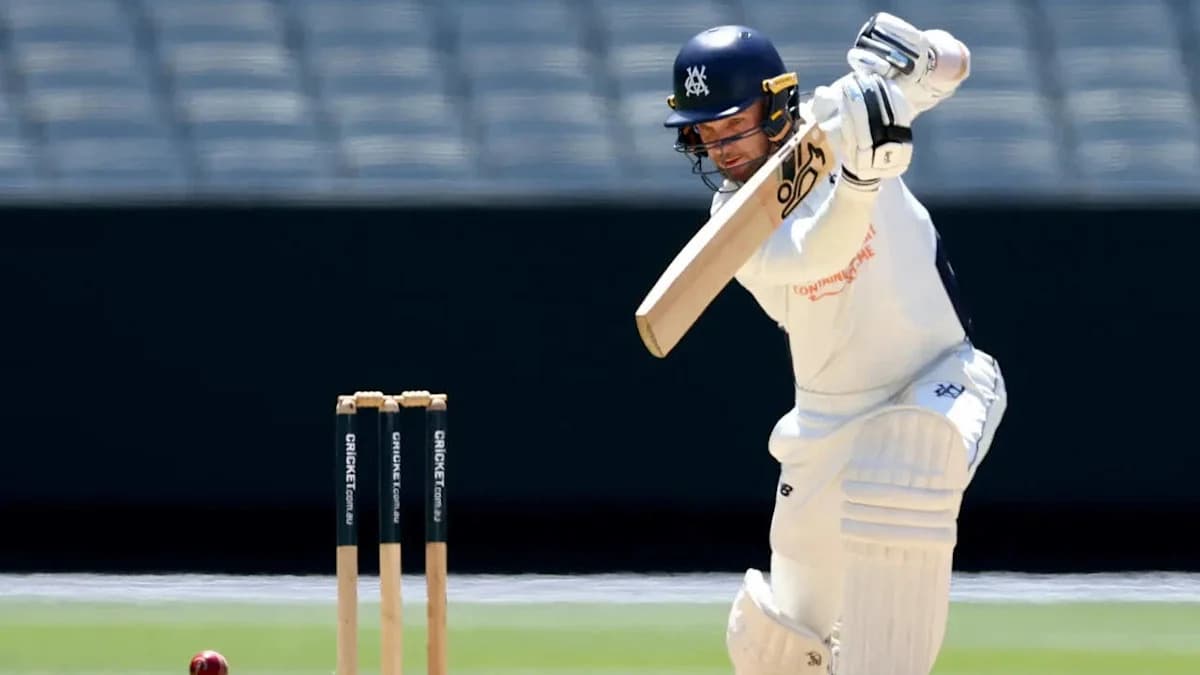
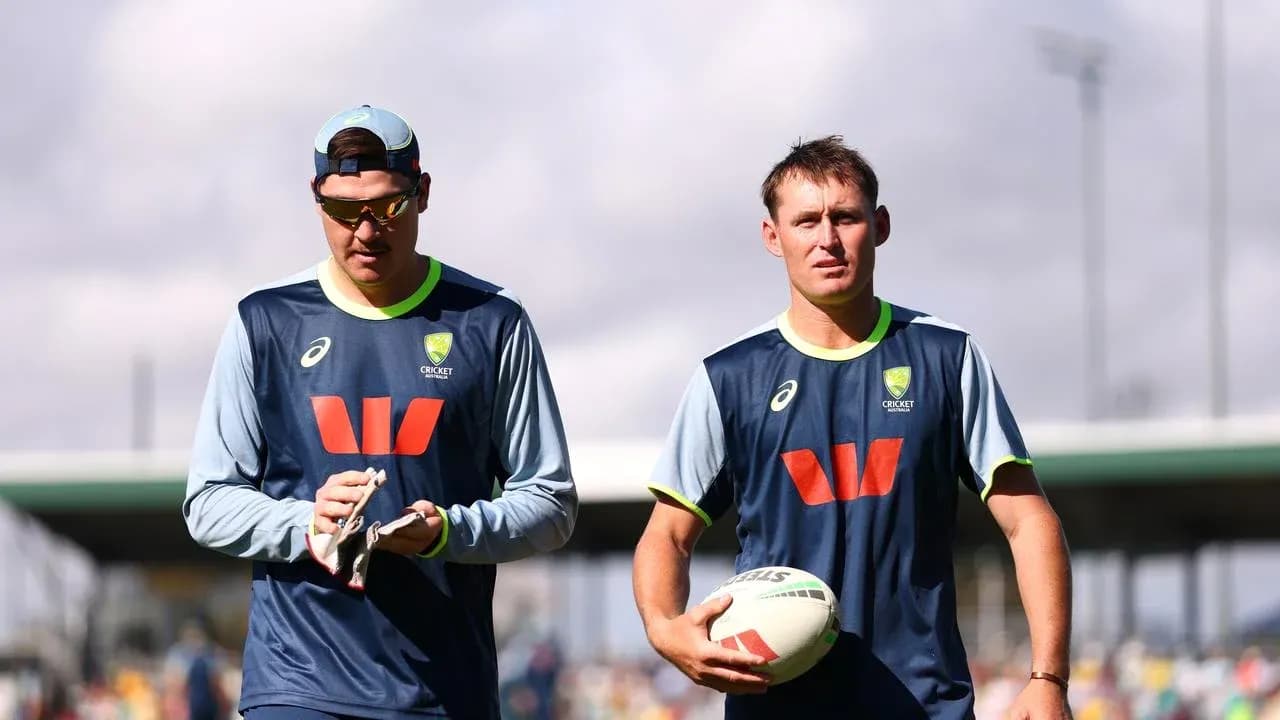
Marnus Labuschagne has been thrown a lifeline – and a challenge.
Australia’s selectors have backed the out-of-form No.3 for next month’s three-Test tour of South Africa, naming him in a 16-man squad that blends loyalty, experimentation and a hint of ruthlessness. His name is there. His spot is not.
Labuschagne stays – but nothing is guaranteed
For two years, Labuschagne has been searching for the version of himself who once churned out runs almost on demand. His last Test century came in the 2023 Ashes in England. Since then, the returns have thinned out, the questions have grown louder.
A flat Ashes campaign, followed by struggles against Bangladesh in the Top End, left his position under serious threat. Dropping him would have forced a major reshuffle of Australia’s top order, with natural middle-order players Cooper Connolly and Josh Inglis next in line.
The panel chose another route: keep him in the squad, keep the pressure on, and see if the old Marnus resurfaces in South Africa.
“We’re not shying away from the fact that we’d like some more runs from Marn. That’s clear,” chair of selectors George Bailey said. “But we’re also confident that he can still make a positive contribution to that squad.”
The reprieve comes with a twist. Labuschagne has been left out of the one-day series beforehand, freeing him to focus solely on red-ball cricket. No travel churn, no white-ball distractions. Just a man, a bat and a looming tour that may define the next phase of his Test career.
Bailey, though, stopped short of promising him the No.3 spot for the series opener in Durban on October 9.
“We’ll get a much clearer picture of what that XI looks like once we get over there,” he said.
For a player who once felt immovable at first drop, that is a sharp reminder: reputation no longer guarantees a place in the top order.
Connolly’s rise gathers pace
Waiting in the wings is Cooper Connolly, 23, the most intriguing name in the squad.
The West Australian left-hander returns to the Test set-up after debuting in Sri Lanka in February last year, and he does so with a growing body of work behind him. He owns the best first-class average (42.10) of Australia’s emerging batters, even without a first-class century to his name. The promise is in the consistency, not the milestones.
His year in white-ball cricket has accelerated his rise. A breakout IPL stint with Punjab Kings and a maiden ODI century in Bangladesh in June have underlined his temperament on bigger stages. Add in his left-arm spin, and he becomes a genuine all-round option.
On Test debut, he batted at No.8. This time, Bailey has made it clear: he’s been picked as a batter and could be asked to walk out far earlier.
“I think he will be able to,” Bailey said of Connolly’s capacity to handle a top-order role. “Whether that’s now, whether that’s in the future. He’s still so young in his career, but I think his ability to bat in a range of positions will continue to grow as he gets more and more experience.”
Every tour he’s joined, Bailey says, he’s turned up as a learner. South Africa may be where he turns into something more.
Smith, Head and the domino effect
Labuschagne’s uncertainty at No.3 sends ripples through the rest of the order.
Bailey did not rule out a reshuffle that would see Steve Smith move back up to No.3 or Travis Head slip from the top back into the middle order. Both options carry baggage and upside.
Head has been a match-winner at No.5, a chaos agent who can rip a game open in a session. He has also shown he can handle opening, changing the tone of an innings from ball one. Move him, and you risk dulling a weapon that has served Australia superbly in recent years.
“Any time you do make a move, it’s what are you taking away from where they are performing,” Bailey said. “Particularly around Travis, I think, the success that he had at five, but also the success he has had at the top, and what he provides to the structure of the team there.”
Smith, meanwhile, has batted at No.3 for large stretches of his career and prospered. He hasn’t done it recently, but the muscle memory is there. If the selectors decide they want their best player facing the new ball earlier, he is the obvious solution.
Those conversations are coming. South Africa will not just test Australia’s skill; it will test their willingness to tinker with a batting order that has, for the most part, held firm.
Pace battery loaded for a tight schedule
Behind the batting intrigue sits a familiar, formidable fast-bowling unit.
Pat Cummins leads a pace group that again includes Mitchell Starc, Josh Hazlewood and Scott Boland, with Michael Neser recalled to add depth. The Ashes hero returns as the insurance policy every touring side craves: skilful, reliable and capable of stepping straight into a Test attack.
The schedule almost demands it. Three Tests squeezed into a condensed window, on the back of six ODIs, with only four days between each Test. Rotation is not a theory here; it is a likelihood.
Bailey has already hinted that Boland and Neser could see action in the Rainbow Nation, as Australia look to manage workloads without losing edge.
“The squad provides balance and options for each Test and the variety of conditions we may face,” he said.
Spin, depth and a nod to the future
Nathan Lyon remains the frontline spinner, but the tour also opens a new chapter for Matthew Kuhnemann. The left-arm tweaker has been named as Lyon’s back-up and could play his first Test outside the subcontinent, a significant step in his development.
At the top of the order, Matthew Renshaw keeps his place after replacing Jake Weatherald in Mackay. His retention suggests the selectors still see value in his versatility and temperament, even as the top-order jigsaw remains unsolved.
Beau Webster also survives despite a lean series with the bat against Bangladesh. His all-round package – seam bowling, height, and the ability to occupy different roles – continues to appeal in a squad built for flexibility.
A tour with long memories
This is Australia’s first Test tour of South Africa since Sandpapergate. The backdrop is impossible to ignore, even if the personnel and power dynamics have shifted.
The itinerary is straightforward: Durban from October 9, Gqeberha (formerly Port Elizabeth) for the second Test, and Cape Town to close the tour in late October. The questions are anything but simple.
Can Labuschagne rediscover his game and lock down No.3 again? Does Connolly force his way into the XI and announce himself as the next multi-format mainstay? Will Australia reshuffle its established stars to squeeze the most out of a talented, if slightly unsettled, batting group?
The squad is picked. The faith has been shown. Now the margins tighten, and careers start to tilt one way or the other.